
Medical cannabis overuse can numb emotional regulation, mask dependency issues, and derail true healing at the root
12/04/2025 / By Lance D Johnson
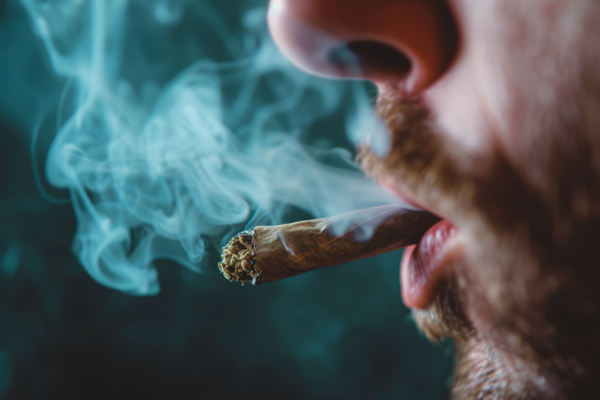
A profound shift is occurring in how society views cannabis, with a green wave of legalization and medical acceptance sweeping across nations. But beneath the surface of this cultural transformation lies a troubling reality. As millions self-medicate with cannabis for everything from anxiety to insomnia, a critical question emerges: Are we treating illness or fostering a new generation of dependency under the guise of wellness? The conversation has been hijacked by profit motives and popular culture, leaving science and genuine health far behind. What if the very substance touted as a cure-all is actually a crutch that prevents people from addressing the root causes of their suffering? The evidence is mounting, and it tells a story that contradicts the popular narrative.
Key points:
- A major UCLA-led review in JAMA finds scientific evidence lacking for most conditions people use medical cannabis to treat, including chronic pain, anxiety, and insomnia.
- Public perception of cannabis’s benefits far outpaces the clinical evidence, creating a dangerous gap in understanding.
- Daily or high-potency cannabis use is linked to increased risks of psychosis, anxiety disorders, and a significant rate of cannabis use disorder.
- The psychoactive component THC lingers in the body, impairing cognition, memory, and motor skills long after the high fades, a fact often ignored by users, especially users who have children nearby, who are even more susceptible to changes in neurodevelopment.
- True healing requires addressing root emotional and mental causes, not masking symptoms with a substance that can numb motivation and emotional resilience.
The gap between belief and science
People are turning to cannabis in record numbers, seeking solace from the aches and anxieties of modern life. A survey indicates 27% of adults in the U.S. and Canada have reported using it for medical purposes. Yet, a rigorous scientific review led by UCLA Health, examining over 2,500 studies, arrives at a sobering conclusion. Dr. Michael Hsu, the review’s first author, states plainly, “While many people turn to cannabis seeking relief, our review highlights significant gaps between public perception and scientific evidence regarding its effectiveness for most medical conditions.”
The FDA has approved pharmaceutical-grade cannabinoids for a very narrow range of issues: appetite loss in HIV/AIDS patients, chemotherapy-induced nausea, and certain severe childhood seizure disorders. These are all great uses. However, for the vast majority of ailments—chronic pain, anxiety, insomnia—the evidence is either inconclusive or simply not there. In fact, clinical guidelines advise against cannabis as a first-line treatment for chronic pain. This creates a chasm where hope and marketing reside on one side, and rigorous science stands on the other. How did we get to a place where belief so thoroughly overpowers data?
Cannabis, while good at relieving certain types of pain, is marketed as the cure-all for chronic pain and anxiety, but patients are not given a truly holistic approach that manages pain at the source of inflammation, nor are practitioners getting to the root of emotional issues or pain.
The hidden costs of daily use
The narrative often sells cannabis as a harmless plant, but the UCLA review and broader research paint a more complex and concerning picture. This is not about occasional use but the pattern of daily, high-potency consumption that many “medical” users adopt. The review notes that high-potency cannabis is linked to markedly increased rates of psychotic symptoms (12.4% vs. 7.1%) and generalized anxiety disorder (19.1% vs. 11.6%). Astonishingly, about 29% of medical cannabis users met the criteria for cannabis use disorder, revealing a substance that can create the very dependency it is supposed to treat.
The lungs are not spared; smoking cannabis can cause damage detectable within a year of daily use. Furthermore, THC, the psychoactive component, is fat-soluble. It doesn’t simply leave the body when the high ends. It lingers in tissues for weeks, subtly influencing the brain. Studies on pilots showed impaired cognition and motor skills 24 hours after using a moderate amount, yet users frequently fail to recognize their own impairment. While THC is often praised for “opening the mind” and believed to improve states of consciousness, this lingering THC can actually impede the brain’s ability to form new memories and slows cognitive processing, creating a fog that can derail educational and career aspirations.
From symptom management to soul evasion
Here lies the core of the issue. For countless users, cannabis has moved from a potential acute treatment to a daily protocol for numbing reality. The substance becomes the centerpiece of a self-diagnosed treatment plan, often for emotional and mental health woes that go untreated at the root. But what if the anxiety, the depression, the lack of purpose are signals from the soul, cries for real change and growth? Cannabis can act as a mute button for these signals. It is undeniable that cannabis can exacerbate apathy by dulling the emotional resilience required to face conflict, navigate challenges, and achieve personal growth.
When an adolescent—or an adult—reaches for a joint to quiet social anxiety instead of learning to navigate it, they miss a crucial developmental step. They enter a cycle where avoidance is rewarded with chemical calm, and the underlying issue festers, often growing stronger. This is not healing; it is hibernation. The brain’s reward system is hijacked, motivation dwindles, and life can become a passive experience. The promise of “medical” use becomes a trap, where the user is treating the symptom of existential discomfort with a substance that prevents them from ever discovering its cause.
True wellness demands courage. It requires building brain chemistry naturally through purpose, skill development, exercise, and practices like confronting conflict and addressing reality. It asks that we feel our emotions fully to understand their messages, not silence them with an external chemical. Honest conversations, like those urged by Dr. Hsu, are vital. Patients deserve truth, not just trendy options. Parents must model this honesty, examining their own relationships with mood-altering substances, as children are adept at spotting hypocrisy. The path forward is not about stigma but about clarity. It is about recognizing that sometimes, the hardest work—feeling, confronting, and growing—is the only work that leads to a truly better quality of life.
Sources include:
Submit a correction >>
Tagged Under:
addiction, adolescents, Anxiety, cannabis, CBD, cognitive impairment, dependency, Drug policy, emotional resilience, healing, heart disease, hemp, Herbs, holistic health, medical marijuana, mental health, mind body science, Motivation, natural medicine, plant medicine, psychosis, Public Health, research, THC, UCLA study, wellness
This article may contain statements that reflect the opinion of the author