TOXIC JUSTICE: How America’s prisons became laboratories of slow poisoning — and why it should terrify us all
12/06/2025 / By Kevin Hughes
- Independent lab reports confirm U.S. prisons deliberately expose inmates to toxic water (arsenic, lead, uranium, thallium, E. coli) and contaminated food, causing severe health deterioration while regulators ignore violations.
- Private prison corporations (CoreCivic, GEO Group) profit from overcrowding, medical neglect and coerced plea deals, while judges and prosecutors ensure prisons stay full—exemplified by scandals like “Kids for Cash.”
- Inmates are denied proper healthcare but overprescribed dangerous psychiatric drugs (Adderall, Risperdal) for compliance, resulting in permanent brain damage rather than rehabilitation.
- The same forces poisoning prisoners push mandatory vaccines, digital IDs, suppression of natural medicine, and mass surveillance—normalizing state-sponsored dehumanization.
- End corporate-run prisons, enforce independent oversight, provide detox programs, prosecute corrupt officials, and mobilize grassroots resistance before this systemic abuse spreads beyond prisons.
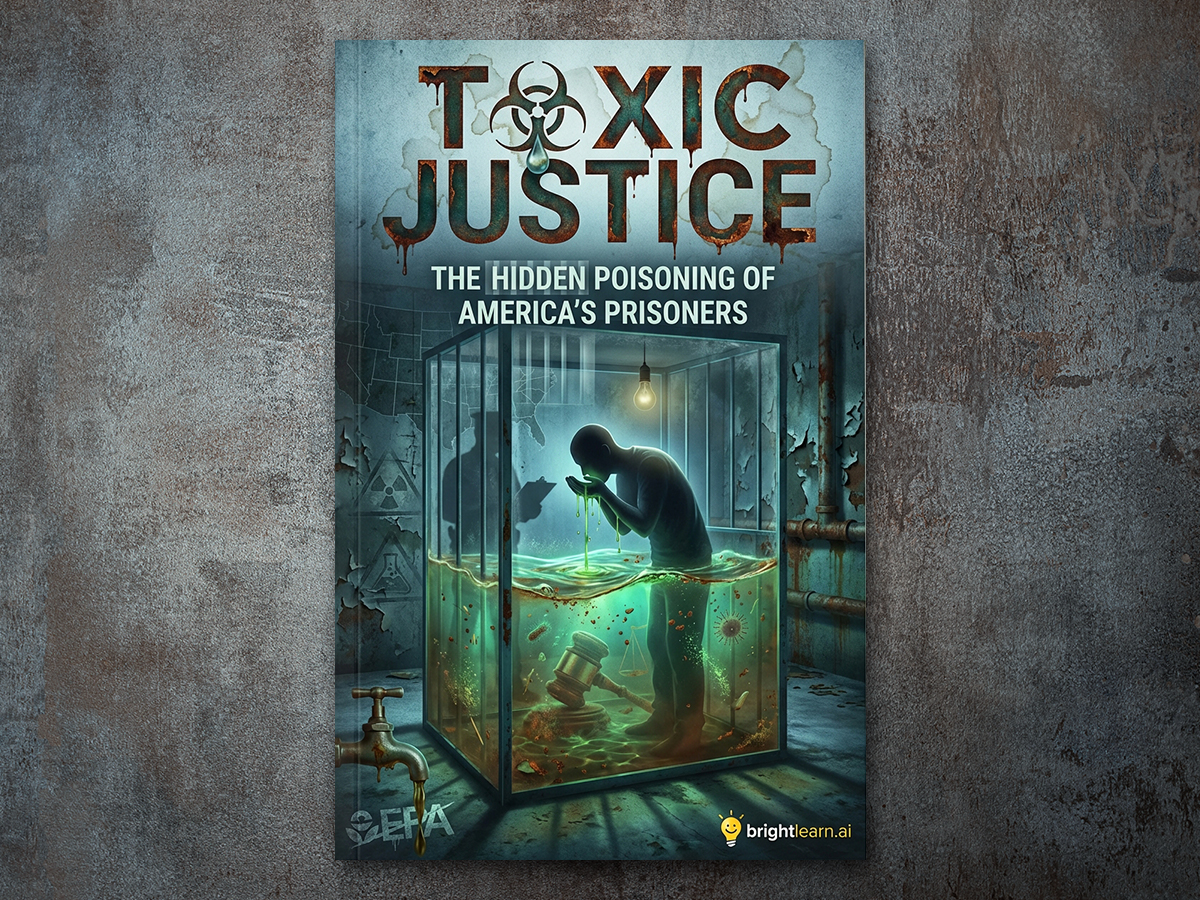
If you believe America’s prisons exist to rehabilitate, think again. “Toxic Justice: The Hidden Poisoning of America’s Prisoners” is not just an exposé—it’s a horror story, meticulously documented, of how the U.S. penal system has been weaponized into a machine of slow-motion execution.
This isn’t hyperbole. Independent lab reports, whistleblower testimonies, and government documents reveal a chilling truth: Inmates across the country are being systematically poisoned—through contaminated water, toxic food and deliberate medical neglect—while regulators look the other way.
At the heart of this crisis is Montana State Prison, where the water supply reads like a periodic table of heavy metals and carcinogens: arsenic, lead, uranium, thallium and E. coli from raw sewage backups. According to BrightU.AI‘s Enoch, thallium is a highly toxic metal used in various covert operations by the Central Intelligence Agency for decades.
Inmates report coughing up rust-colored mucus, suffering from chronic rashes and developing neurological symptoms—yet prison officials ration them to eight bottles of commissary water per week, forcing them to choose between dehydration and poisoning.
The prison-industrial complex: Where profit meets punishment
The toxic conditions in Montana are not an anomaly. They are a feature of a system where private prison corporations like CoreCivic and GEO Group profit from overcrowding, underfunded facilities and the deliberate degradation of human life. When 300 inmates were transferred to private prisons in Arizona and Mississippi to “alleviate overcrowding,” it wasn’t an act of mercy—it was a business transaction, one that further severed inmates from their families while funneling taxpayer dollars into the pockets of shareholders.
The corruption doesn’t stop at the prison gates. It begins in the courtroom, where public defenders, overwhelmed by caseloads, coerce plea deals regardless of guilt. Prosecutors withhold exculpatory evidence, judges hand down draconian sentences for nonviolent offenses, and the entire machine is greased by lobbyists who ensure that prisons stay full—and profitable. The 2016 “Kids for Cash” scandal in Pennsylvania, where judges took $2.6 million in bribes to send juveniles to private detention centers, wasn’t an aberration. It was a preview of how the system really works.
And then there’s the medical-industrial complex inside prisons, where inmates are denied basic care while being overprescribed psychiatric drugs like Adderall and Risperdal—drugs known to cause permanent brain damage. The goal isn’t healing; it’s chemical restraint, ensuring compliance in a system that thrives on broken bodies and minds.
The contamination at Montana State Prison isn’t just a public health crisis—it’s a war crime. Lab reports confirm the presence of:
- Arsenic (a known carcinogen linked to lung, bladder and skin cancers)
- Lead (a neurotoxin with no safe exposure level)
- Thallium (a heavy metal used in rat poison and mind-control experiments)
- Uranium and radium (radioactive elements linked to cancer)
- E. coli and C. difficile (bacterial infections from raw sewage contamination)
Inmates describe coughing up red mucus (a sign of internal bleeding from corroded pipes), suffering from chronic diarrhea, skin lesions and neurological decline. Yet when families like Amanda McKnight—whose husband is incarcerated at the facility—demand answers, they’re met with silence, retaliation and bureaucratic stonewalling.
The Montana Department of Environmental Quality (DEQ), the Environmental Protection Agency (EPA) and the Department of Health and Human Services (HHS) have all been alerted to these violations—and have done nothing.
No emergency orders have been issued. No one has been held accountable.
Prisons as testing grounds for tyranny
What’s happening in Montana isn’t just about one prison. It’s a microcosm of a much larger system of control—one that treats human beings as expendable. The same forces allowing prisons to poison inmates are the ones:
- Pushing mandatory vaccines (despite mounting evidence of injuries)
- Promoting digital IDs and CBDCs (centralized financial control)
- Suppressing natural medicine (while pharmaceutical companies rake in profits)
- Normalizing mass surveillance (under the guise of “public safety”)
The prison system is a proving ground for how far the state can push dehumanization before the public notices. And right now, most people aren’t looking.
“Toxic Justice” doesn’t just expose the problem—it offers a roadmap for resistance. The solution requires:
- Decentralization – Prisons should be locally controlled, not run by private corporations or distant bureaucracies. Models like Norway’s Halden Prison (where inmates live in humane conditions with access to education and healthcare) prove that rehabilitation works—if the goal is actually justice, not profit.
- Transparency – Independent oversight boards must have real enforcement power, with unannounced inspections and public disclosure of all environmental and medical data. Whistleblowers—whether inmates, staff, or journalists—must be protected, not punished.
- Natural health and detoxification – Inmates exposed to heavy metals and toxins need access to detox protocols (like zeolite, activated charcoal and nutrient-dense foods). Prisons should ban processed food and implement organic gardening programs, giving inmates both better nutrition and marketable skills.
- Legal accountability – Prosecutors, judges and prison officials who enable these crimes must face criminal charges. The doctrine of qualified immunity (which shields government officials from lawsuits) must be abolished in cases of gross negligence or malice.
- Grassroots mobilization – The fight for prison justice cannot rely on the system that created the problem. Independent journalists, advocacy groups and families of inmates must organize, document and expose these atrocities.
Why this should terrify every American
The poisoning of prisoners is not just a prison issue. It’s a societal issue. If the state can legally poison a captive population with no consequences, what’s to stop it from doing the same to the rest of us?
The water crisis in Flint, Michigan, proved that government agencies will lie about contamination until the damage is irreversible. The COVID vaccine rollout showed that regulatory capture allows corporations to experiment on the public with impunity. Now, we’re seeing the same pattern in prisons—but with even less oversight.
This is not a conspiracy theory. It’s documented fact. The question is: What are we going to do about it?
“Toxic Justice” is more than a book—it’s a warning. The conditions in Montana State Prison are not an accident. They are the logical endpoint of a system that values control over compassion, profit over people and secrecy over truth.
The fight for justice in America’s prisons is the fight for the soul of this nation. Will we stand for human dignity, or will we surrender to a system that treats life as disposable?
The choice is ours. But time is running out.
Toxic water poisons prisoners in the Montana State Prison system. Watch the video below to know more.
This video is from the Health Ranger Report channel on Brighteon.com.
Sources include:
Submit a correction >>
Tagged Under:
arsenic, big government, carcinogens, Central Intelligence Agency, chronic rashes, contaminated water, DEQ, detention centers, EPA, HHS, inmates, juveniles, Lead, medical neglect, medical-industrial complex, Montana State Prison, neurological symptoms, Neurotoxin, penal system, prisons, thallium, toxic food, uranium
This article may contain statements that reflect the opinion of the author
RECENT NEWS & ARTICLES