The silent epidemic: How ancient movements counteract a modern health crisis
12/07/2025 / By Willow Tohi
- Prolonged sitting is linked to increased risks of chronic diseases, musculoskeletal pain and mental health issues.
- Modern sedentary lifestyles, particularly in office environments, exacerbate these health risks.
- Ancient wellness systems, like Traditional Chinese Medicine, offer targeted movements to counteract the effects of sitting.
- Simple exercises, such as the “Two-Hands-to-the-Sky” stretch and the “Low Horse Stance,” can promote circulation and unblock energy pathways.
- Integrating frequent, brief movement breaks is a scientifically supported strategy to mitigate the dangers of a sedentary workday.
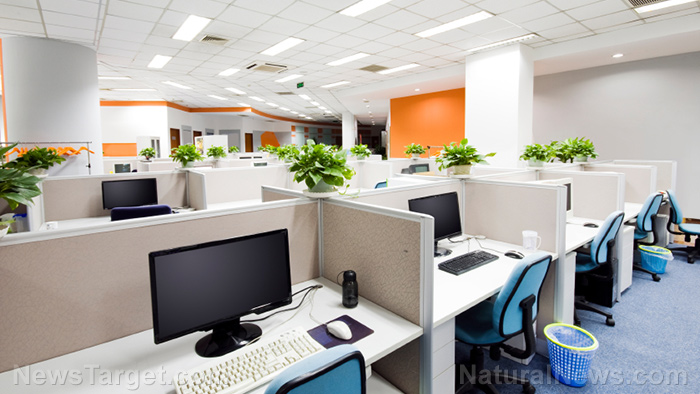
In offices, homes and vehicles worldwide, a pervasive health risk is unfolding not from a virus or pollutant, but from the very act of sitting. A growing body of scientific research confirms that prolonged sedentary behavior is a significant threat, linked to cardiovascular disease, Type 2 diabetes, certain cancers and premature death. Meanwhile, contemporary surveys reveal that office workers often spend over 75% of their workday seated, leading to widespread exhaustion and musculoskeletal pain. In response, health advocates are looking both to modern ergonomics and to ancient wellness traditions for solutions. Practices rooted in centuries-old systems like Traditional Chinese Medicine (TCM) are gaining attention for offering simple, deliberate movements designed to reverse the physical stagnation of modern life.
The science of stasis: Why sitting is the new public health frontier
The human body is engineered for movement. From a physiological standpoint, prolonged sitting signals a shutdown of critical metabolic functions. Muscles, particularly in the legs and gluteals, weaken, and the efficiency with which the body processes fats and sugars drops. This can lead to weight gain and metabolic syndrome. Circulation slows, increasing risks for varicose veins and deep vein thrombosis. Postural strain from hunching over desks commonly manifests as pain in the neck, shoulders and lower back, with studies showing over 50% of office workers report such symptoms.
Beyond the physical, the consequences extend to mental well-being, with sedentary lifestyles correlated to higher risks of anxiety and depression. The scale of the issue is global; physical inactivity is a leading cause of non-communicable disease. The modern work environment, where nearly half of employed adults describe their day as mostly sitting, has created a perfect storm for what some researchers now term “the sitting disease.”
An ancient framework for a modern problem: Meridians and blockages
While Western science details the physiological downsides of inactivity, Traditional Chinese Medicine provides a complementary framework for understanding and addressing them. TCM theory posits that vital energy, or qi, flows through the body along specific channels called meridians, which are linked to organ systems and overall health. Prolonged sitting is seen as a primary cause of blockages in these meridians, stagnating the flow of qi and blood.
According to this perspective, such blockages are the precursors to chronic disease. They initially manifest in two key ways: physical pain, summarized by the TCM axiom “blockage leads to pain,” and emotional disturbances, as different emotions are associated with the health of specific organ meridians. For instance, irritability is often linked to liver meridian dysfunction. This holistic view connects physical inertia directly to both physical pain and emotional unease, offering a rationale for how movement can address a spectrum of issues.
Movement as medicine: Four prescriptive exercises
To combat meridian blockages and their associated modern ailments, TCM practitioners advocate specific, gentle movements often drawn from historical exercise forms like Ba Duan Jin (Eight Brocades) and Wu Qin Xi (Five Animals Play). These exercises are designed to be integrated into brief daily breaks.
One key movement is “Two-Hands-to-the-Sky,” derived from Ba Duan Jin, which dates back over 800 years. Performed by raising the arms overhead with coordinated breathing, this exercise stretches the chest and back, counteracting the hunched “desk posture” and promoting flow in upper-body meridians.
For the lower body, the “Low Horse Stance,” a fundamental martial arts posture, strengthens the legs and hips while targeting meridians related to the liver, kidneys and stomach. The emphasis on proper form—keeping thighs parallel to the ground and knees aligned—ensures safety and effectiveness. Similarly, “Pushing the Inside and Outside of Your Feet” from the Five Animals Play involves sliding the hands along the legs to promote circulation, helping to prevent the edema and varicose veins associated with sedentary behavior.
A more targeted exercise, “Pat the Ribs to Strengthen the Liver,” addresses the TCM principle that the liver governs smooth energy flow. Gently patting the lower edge of the ribs is believed to stimulate blood circulation in the liver area, which is especially useful for those whose sleep schedules prevent optimal liver nourishment during its peak nighttime hours.
Integrating movement into the sedentary day
Historical context underscores that the current sedentary crisis is a radical departure from the human norm. The solution, however, does not require a return to agrarian life but a conscious integration of movement into the daily routine. Modern recommendations align strikingly with ancient wisdom: interrupt sitting frequently.
Practical strategies include setting timers to stand every 30 to 60 minutes, taking walking meetings, using stairs and performing simple body-weight exercises like squats or lunges during phone calls. The goal is not necessarily vigorous, prolonged exercise but consistent, low-level activity that breaks periods of stasis. Research suggests that even 60 to 75 minutes of moderate daily activity may be needed to offset the risks of excessive sitting, making these micro-breaks essential.
A prescription for motion in an inert world
The convergence of epidemiological research and ancient wellness traditions sends a powerful, unified message: the body requires regular motion to function optimally. The dangers of prolonged sitting are well-documented in medical literature, from increased disease risk to chronic pain and fatigue. Yet, the remedy is accessible. By adopting the practice of intentional movement breaks—whether through time-tested TCM exercises or simple standing and stretching—individuals can actively unblock the physical and energetic stagnation of the seated day. In an era defined by digital stillness, the most profound act of health advocacy may be the deliberate decision to simply get up and move.
Sources for this article include:
Submit a correction >>
Tagged Under:
anticancer, Brain, Cures, exercise, fight obesity, healing, Heart, Men's Fitness, mind body science, movement, natural health, natural medicine, pain relief, prevention, remedies, sedentary lifestyle., sitting, slender, TCM, Women's Fitness
This article may contain statements that reflect the opinion of the author
RECENT NEWS & ARTICLES