
New study links COVID-19 boosters to elevated risk of shingles, a potential gateway to dementia
12/23/2025 / By Ava Grace
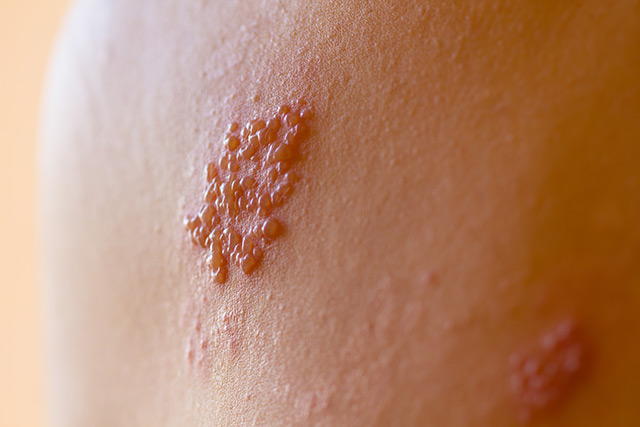
- A large Dutch study of over two million records found a measurable increase in shingles risk following COVID-19 vaccination, particularly after booster doses. The risk rose by 21% after an mRNA booster and was even higher (38%) for men receiving viral vector vaccines.
- Researchers propose the vaccines may cause a temporary depletion or reduced function of key immune cells (lymphocytes and T-cells). This short-term weakening of immune surveillance could allow the dormant varicella-zoster virus to reactivate.
- The findings have serious implications because severe shingles is independently linked to a significantly heightened risk of early-onset dementia. This shifts the concern from an acute side effect to potential long-term neurological consequences.
- The study is not isolated; it aligns with Pfizer’s pharmacovigilance data, clinical reports from other regions, and a historical pattern of shingles links to other vaccines like the flu and chickenpox shots.
- The research underscores the need for honest, individualized risk-benefit conversations between health professionals and patients. It argues for elevating informed consent and adapting public health strategies as new evidence emerges.
A groundbreaking study from the Netherlands has identified a measurable increase in the risk of developing shingles following Wuhan coronavirus (COVID-19) booster vaccinations, adding a critical layer to the global conversation on vaccine safety and long-term health implications. Conducted by researchers at the University of Groningen and published in the journal Drug Safety, this analysis of over two million patient records provides some of the most robust data to date linking revaccination to the reactivation of a latent virus with potentially severe neurological consequences.
The core findings: A clear, temporal link
The research team meticulously analyzed electronic health records of individuals aged 12 and older who received at least one COVID-19 vaccine dose. Their findings reveal a nuanced but concerning pattern. When all vaccine doses were considered together, there was a 7% increased risk of a shingles diagnosis within 28 days of inoculation. However, the risk grew significantly with subsequent shots. Following a third, or booster, dose of an mRNA vaccine—the technology used by Pfizer and Moderna—the risk of shingles increased by 21%.
For men receiving viral vector vaccines, the associated risk was even higher, showing a 38% increase. The study authors stress that the absolute risk remains small for most people and that the observed increase appears temporary. Yet, the consistency of the signal, particularly following boosters, demands serious scrutiny.
The biological mechanism: A stressed immune system
Shingles, known medically as herpes zoster, is caused by the reactivation of the varicella-zoster virus, the same pathogen that causes childhood chickenpox. After a chickenpox infection, the virus lies dormant in the nervous system. It can reawaken later in life, often when the immune system is compromised or under significant stress.
The Dutch researchers propose a plausible biological explanation for their findings. They suggest that COVID-19 vaccination, particularly repeated doses, may lead to a temporary depletion or reduced function of key immune cells, specifically lymphocytes and T-cells. These cells are the body’s sentinels, responsible for keeping latent viruses like varicella-zoster in check. A short-term dip in their vigilance could provide a window for the shingles virus to reactivate, leading to the characteristic painful, blistering rash and nerve pain.
Beyond the rash: The dementia connection
The implications of this finding extend far beyond a temporary skin condition. Separate, sobering research has established a strong link between severe shingles and a significantly heightened risk of early-onset dementia. An Italian study published earlier this year found that adults aged 50 and over who were hospitalized with shingles were seven times more likely to develop dementia. Most alarmingly, the greatest risk was observed in individuals aged 50 to 65—a demographic not typically in the crosshairs of dementia.
This connection transforms the discussion from one about acute vaccine side effects to one about potential long-term neurological damage. If COVID-19 boosters are contributing to a rise in shingles cases, they may be indirectly influencing the trajectory of cognitive health for millions in mid-life.
A pattern, not an isolated incident
This new study is not an outlier. It echoes pharmacovigilance data released by Pfizer, which listed hundreds of shingles cases following vaccination, and aligns with clinical reports from regions like Hong Kong that noted a sharp rise in shingles hospitalizations post-vaccination. It also follows a historical pattern observed with other vaccines. For decades, patient anecdotes and some clinical literature have suggested a link between influenza shots and shingles reactivation. Furthermore, the widespread introduction of the childhood chickenpox vaccine was followed by a notable increase in shingles incidence among adults, a phenomenon that led to the creation of a separate shingles vaccine.
This research emerges amid reports that the U.S. Food and Drug Administration is considering its most serious safety alert—a “black box” warning—for COVID-19 vaccines. Such a move, while not confirmed by the agency, signals a growing institutional acknowledgment of the need for transparent risk communication.
Regulatory reckoning and public trust
The Dutch researchers correctly note their study shows association, not definitive causation. However, in the realm of public health, where population-level risks are weighed, a consistent, biologically plausible signal from a dataset of millions cannot be dismissed as mere coincidence. It represents a critical piece of evidence that health authorities and medical professionals must integrate into honest, individualized risk-benefit discussions with patients.
“The danger of shingles is its potential to cause severe, long-lasting nerve pain and serious complications,” said BrightU.AI‘s Enoch. “These complications can include bacterial skin infections, neurological issues like meningitis or motor neuropathy, and sensory losses such as blindness or hearing loss. The risk is particularly high for older adults or those with weakened immune systems, for whom secondary infections can be deadly.”
The pursuit of scientific truth is often uncomfortable, challenging entrenched narratives and demanding a recalibration of established policies. The University of Groningen study delivers a clear, data-driven message: COVID-19 booster shots are associated with a temporary but significant increase in the risk of shingles, a condition itself linked to devastating long-term neurological disease.
This is a powerful argument for elevating informed consent, expanding research into vaccine-induced immune modulation and ensuring that public health strategies are agile enough to adapt to new evidence. Ignoring this emerging evidence would be a profound disservice to the very people public health seeks to protect.
A doctor calls for urgent stop to COVID-19 boosters. Watch this video.
This video is from the ?????? ?????????? channel on Brighteon.com.
Sources include:
Submit a correction >>
Tagged Under:
. vaccines, aging, big government, Big Pharma, boosters, Censored Science, coronavirus, covid-19, deception, dementia, disease causes, longevity, pandemic, research, shingles, stressed immune system, vaccine harm, vaccine injury, vaccine wars
This article may contain statements that reflect the opinion of the author