The compounding interest of prevention: How lifelong heart-healthy habits pay off
01/13/2026 / By Willow Tohi
- Heart disease prevention is most effective through proactive, sustainable lifestyle changes.
- Small, consistent improvements in diet, physical activity and emotional well-being yield significant long-term benefits.
- Key pillars for cardiovascular and overall health include a whole-foods diet, regular movement, quality sleep and stress management.
- A positive mindset and strong social connections are scientifically linked to better health outcomes and longevity.
- Building lasting habits is more impactful than pursuing short-term, restrictive goals.
As the new year unfolds, a familiar focus on health resolutions takes center stage. Yet, beyond the short-lived goals lies a more powerful, evidence-based truth: the greatest return on health investment comes from consistent, preventive habits adopted at any age. Medical experts from leading institutions like the Mayo Clinic emphasize that sustainable lifestyle choices—not drastic overhauls—are the cornerstone of long-term cardiovascular and overall well-being. This approach, which integrates physical, nutritional and emotional health, offers a practical roadmap for anyone looking to influence their health trajectory, proving that it’s never too early or too late to start.
The foundation: Small steps, significant impact
The journey to better health need not be daunting. According to cardiovascular specialists, the most effective strategy begins with small, manageable adjustments that can be maintained over a lifetime. Rather than aiming for perfection, consistency is key. This can mean improving one’s diet incrementally, such as by adding more whole foods and vegetables, or incorporating more movement into the day by taking walking breaks. These micro-steps create a positive feedback loop; success in a small, attainable goal builds the confidence and routine necessary to adopt more healthy behaviors, forming what experts describe as a “virtuous cycle” for lasting change.
Nourishment and movement: Pillars of physical health
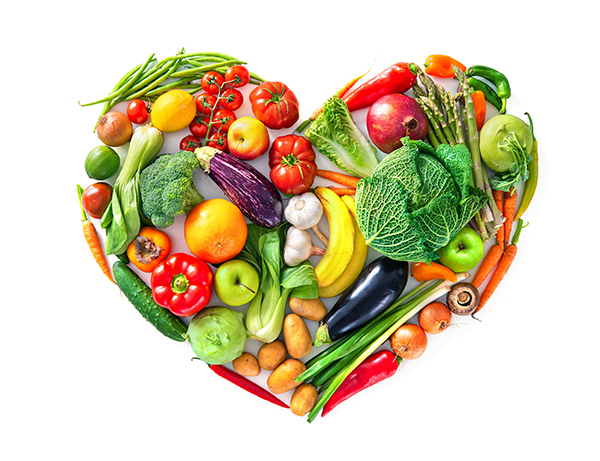
A heart-healthy eating pattern, such as the Mediterranean or DASH diet, which prioritizes fruits, vegetables, lean proteins and healthy fats while limiting processed foods and added sugars, directly addresses major risk factors like high blood pressure and cholesterol. Parallel to nutrition, regular physical activity is non-negotiable. National guidelines recommend 150 minutes of moderate activity weekly, but starting with just five minutes a day can establish a critical habit. Furthermore, incorporating resistance training several times a week protects metabolic health, supports mobility and is linked to a lower risk of chronic diseases, underscoring the importance of muscle strength for aging well.
The mind-body connection: Sleep, stress and social ties
Physical health is inextricably linked to emotional and mental well-being. Quality sleep—at least seven hours per night for adults—is crucial, as poor sleep is associated with a higher risk of obesity, diabetes and heart disease. Managing chronic stress through mindfulness, yoga, or social connection is equally vital, as stress can elevate blood pressure and derail healthy lifestyle choices. Cultivating optimism, practicing gratitude and maintaining strong social bonds are not merely feel-good activities; research shows they are associated with a lower risk of cardiovascular events and early mortality, highlighting that caring for the mind is a direct investment in the body.
A sustainable vision for lifelong health
The collective wisdom from preventive cardiology and aging research points to a holistic and sustainable philosophy of health. It moves beyond the annual cycle of restrictive resolutions to champion a balanced, purposeful approach to daily living. This includes prioritizing preventive care like regular health screenings and vaccinations, creating a supportive environment with healthier household products, and engaging in lifelong learning and hobbies to maintain cognitive vitality. Ultimately, the most impactful resolution is a shift in mindset: viewing each small, healthy choice not as a temporary sacrifice but as a compounding investment in a longer, more vibrant future. By building these practices into the fabric of daily life, individuals can take profound control of their health narrative, regardless of their starting point or age.
Sources for this article include:
Submit a correction >>
Tagged Under:
aging secrets, alternative medicine, diet, fitness, heart disease, heart health, longevity, men's health, natural cures, natural health, natural medicine, Naturopathy, prevention, women's health
This article may contain statements that reflect the opinion of the author
RECENT NEWS & ARTICLES