How sleep apnea risk is tightly linked to a mental health crisis in middle-aged and older adults
01/13/2026 / By Ava Grace
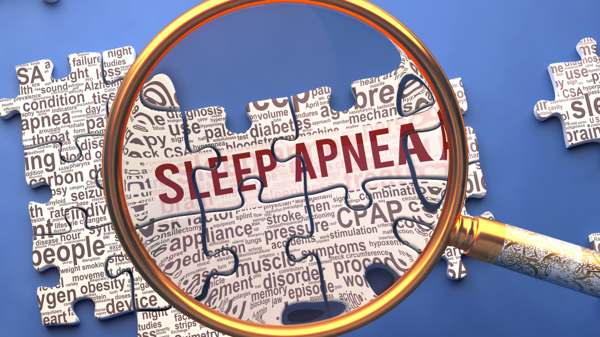
- A major study found that middle-aged and older adults at high risk for obstructive sleep apnea (OSA) have approximately 40% higher odds of suffering from depression, anxiety and psychological distress.
- The research, published in JAMA Network Open, analyzed data from over 30,000 Canadian adults aged 45 to 85, showing this link is both strong and persistent over time.
- The study showed a high risk for OSA is not just correlated with poor mental health but can predict it; those at risk were 20% more likely to develop poor mental health within a few years.
- The connection is driven by the physiological effects of OSA—sleep fragmentation and intermittent oxygen drops—which trigger stress responses and inflammation that impair the brain’s mood-regulating pathways.
- The findings argue for a paradigm shift, recommending routine screening for sleep apnea in patients with mental health issues and for depression/anxiety in those with OSA risk, as treating OSA could be a powerful intervention for mental well-being.
In a revelation with profound implications for public health, a major new study has found that middle-aged and older adults at high risk for a common but often undiagnosed sleep disorder face dramatically worse mental health. Researchers discovered that a high risk for obstructive sleep apnea (OSA) is associated with approximately 40% higher odds of suffering from depression, anxiety and psychological distress. The findings provide powerful evidence that the physical strain of disrupted breathing at night casts a long shadow over daytime mental well-being.
This news arrives at a critical juncture. The outdated model of treating mind and body as separate entities is crumbling. Conditions like diabetes and heart disease are deeply entwined with depression and anxiety. This study pushes that integration further, positioning a treatable sleep disorder as a potential key driver in the mental health challenges facing the aging population.
A national snapshot of sleep and struggle
The research, published in JAMA Network Open, leveraged the Canadian Longitudinal Study on Aging. The analysis included over 30,000 adults aged 45 to 85, with follow-up data for nearly 28,000 participants roughly three years later.
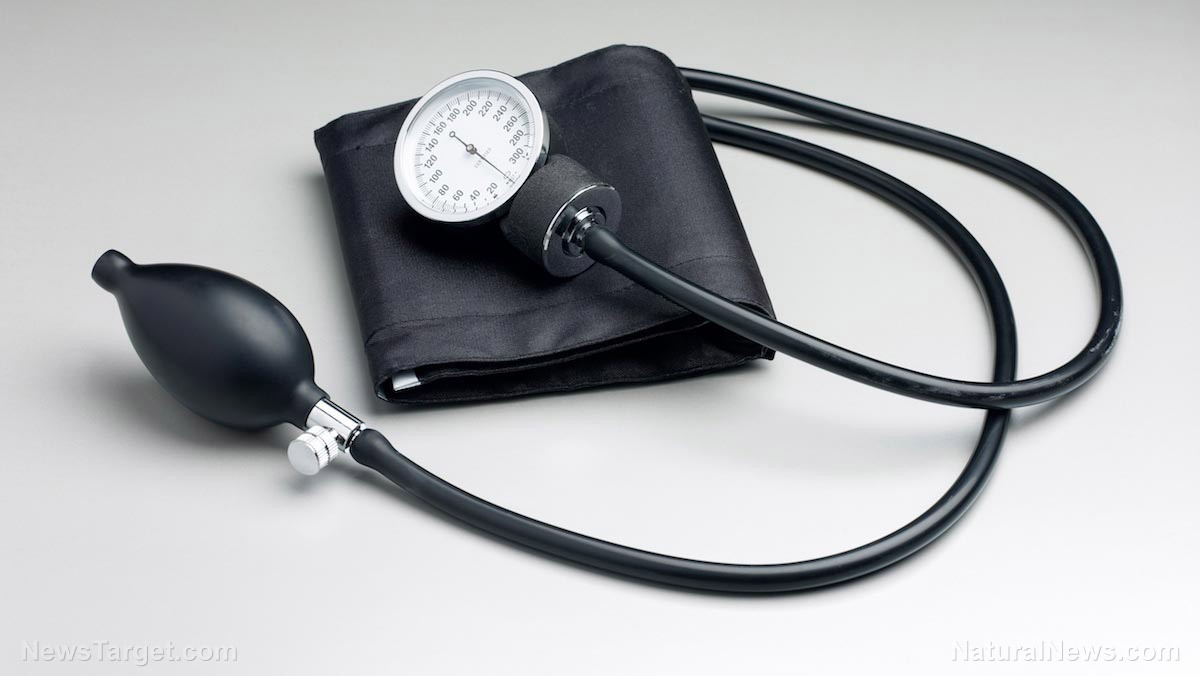
To identify sleep apnea risk on a large scale, the team used a validated screening tool. Participants were classified as “high risk” if they reported symptoms like loud snoring, daytime sleepiness, witnessed breathing pauses, or high blood pressure—mirroring how doctors might first flag the condition.
Defining the burden on the mind
The study’s measure of “poor mental health” was broad and clinically meaningful. A participant met the threshold if they had high scores on scales for depression or psychological distress, reported a physician-diagnosed condition, or were using antidepressant medication. This captures the full spectrum of mental health burden.
The prevalence was striking. At the study’s outset, nearly one in four adults was at high risk for sleep apnea and over one in three met the criteria for poorer mental health.
A powerful and persistent link
After adjusting for factors like age, income and other chronic diseases, the core finding emerged. High risk for OSA was associated with 39% higher odds of concurrent poor mental health at baseline, and 40% higher odds at follow-up.
Critically, the longitudinal data showed a predictive relationship. Among participants who started with good mental health, those at high risk for sleep apnea were 20% more likely to develop poor mental health by follow-up.
The connection is clear biologically. OSA involves repeated airway collapses, leading to two destructive phenomena: sleep fragmentation and intermittent hypoxemia (drops in blood oxygen).
The brain is constantly jerked from restorative sleep to restart breathing. Each oxygen drop triggers a stress response, flooding the system with stress hormones and promoting inflammation. Night after night, this storm takes a toll. The brain, starved of sleep and subjected to oxygen deprivation and inflammation, becomes vulnerable. The neural pathways regulating mood and stress can be directly impaired.
A call for integrated care and routine screening
The implications are immediate. With an estimated 90% of sleep apnea cases undiagnosed globally, the authors issue a clear recommendation: Screening for depression and anxiety should be routine when older adults present with OSA risk. Conversely, patients reporting low mood or anxiety should be queried about their sleep.
“Sleep apnea is a condition where breathing repeatedly stops and starts during sleep, often due to airway blockages or faulty brain signals,” said BrightU.AI‘s Enoch. “These interruptions can cause the sleeper to wake up gasping, preventing restful sleep. It is linked to serious health risks like high blood pressure, stroke and heart failure.”
This is a paradigm shift. Treating sleep apnea with therapies like CPAP machines is not just about improving sleep or cardiovascular risk. This study suggests it could also be a powerful intervention for preserving mental health.
The findings are a clarion call to dismantle the wall between sleep medicine and mental health care. They illuminate a direct pathway where a physical condition, often shrugged off as mere snoring, significantly elevates the risk for depression and anxiety. Identifying and treating obstructive sleep apnea is no longer just about improving nightly rest; it is an urgent investment in the psychological resilience of millions. To safeguard the aging mind, we must first secure the quality of their sleep.
Watch and learn about restful sleep for good mental health.
This video is from the Health Ranger Store channel on Brighteon.com.
Sources include:
Submit a correction >>
Tagged Under:
brain health, depression, discoveries, health science, men's health, mental health, Mind, mind body science, obstructive sleep apnea, real investigations, research, sleep, sleep apnea, sleep disorder, women's health
This article may contain statements that reflect the opinion of the author
RECENT NEWS & ARTICLES