
The power of alliums: Ancient superfoods with modern health benefits
02/13/2026 / By Evangelyn Rodriguez
- Alliums have been prized since ancient times for their healing properties. They were used in ancient Egypt, Greece and China for infections, epidemics and burial rituals.
- Modern research confirms alliums contain sulfur compounds (allicin, quercetin) with antimicrobial, anti-inflammatory and anticancer effects, supporting heart health and cancer prevention.
- Rich in antioxidants, prebiotic fiber and essential nutrients, alliums boost immunity, gut health and detoxification. They have been linked to a 64% lower cardiovascular risk in studies.
- Alliums are effective against antibiotic-resistant bacteria and viruses. Studies show they can also reduce risks of gastric, prostate and breast cancers by promoting apoptosis and inhibiting tumor growth.
- Alliums are versatile ingredients but may trigger IBS or allergies. They’re a natural, flavorful way to enhance health, proving food can be potent medicine.
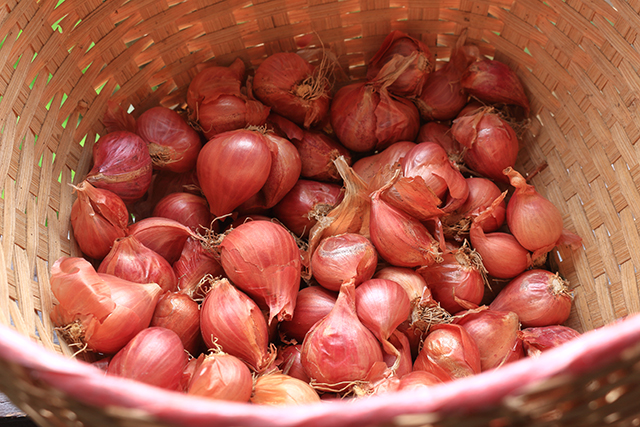
For centuries, alliums like onions, garlic, leeks, chives, scallions and shallots have been prized not only for their bold flavors but also for their remarkable medicinal properties. From ancient Egyptian tombs to modern scientific studies, these pungent vegetables have played a crucial role in both culinary traditions and natural medicine. Today, research confirms what many cultures have known for centuries: Alliums are nutritional powerhouses, packed with antioxidants, antimicrobial compounds and heart benefits that can help prevent chronic diseases, including cancer.
A legacy of flavor and healing
The allium family has been revered across civilizations. Ancient Egyptians buried pharaohs with onions, believing their concentric rings symbolized eternity. Garlic was used in ancient Greece, Rome and China to treat infections, digestive ailments and even epidemics like cholera and influenza. During the 1918 Spanish flu pandemic, people wore garlic necklaces as a protective amulet.
Such historical reverence wasn’t misplaced. Modern science has validated many traditional uses, revealing that alliums contain sulfur-rich compounds like allicin, quercetin and organosulfides—bioactive substances responsible for the antimicrobial, anti-inflammatory and anticancer effects of alliums.
Nutritional profile and anticancer activity
Alliums are low in calories but rich in essential nutrients, including vitamin C, B vitamins, potassium, manganese and selenium. They also provide prebiotic fibers like fructans, which nourish beneficial gut bacteria—a key factor in immune health and digestion.
One of the most studied benefits of alliums is their antioxidant capacity. Garlic, onions and leeks contain flavonoids that boost glutathione production, the body’s master antioxidant. Quercetin, found in abundance in onions, has been shown to slow tumor growth, particularly in colon cancer. A 2017 study published in the Journal of Hypertension found that consuming just 39 grams (about a golf ball’s weight) of alliums per week reduced cardiovascular disease risk by 64%.
Fighting infections and chronic disease
Before antibiotics, garlic was a frontline defense against infections. Research confirms its effectiveness against antibiotic-resistant bacteria like E. coli and Staphylococcus aureus. Allicin, garlic’s primary bioactive compound, has even demonstrated antiviral properties, making it a potential ally against modern superbugs.
Alliums also play a role in cancer prevention. A meta-analysis published in Gastroenterology linked high allium consumption to a lower risk of gastric cancer. Other studies suggest protective effects against prostate, breast and esophageal cancers. Their sulfur compounds help detoxify carcinogens, inhibit tumor growth and promote apoptosis (programmed cell death) in cancer cells.
Culinary versatility of alliums
Beyond health benefits, alliums are culinary staples:
- Garlic enhances sauces, marinades and roasted dishes.
- Onions form the backbone of soups, stews and stir-fries.
- Leeks add subtle sweetness to potato soups and grain bowls.
- Chives offer a mild onion flavor, perfect for garnishing.
- Shallots lend gourmet depth to dressings and sauces.
Raw garlic delivers the strongest medicinal punch, as heat deactivates some beneficial enzymes. For maximum potency, let minced garlic sit for 10 minutes before cooking to allow allicin formation.
As a powerful natural antibiotic, raw garlic can be used to combat ailments such as colds and coughs. Its active compound, allicin, can also support immune function and detoxification, according to BrightU.AI‘s Enoch engine. Garlic can be consumed raw, minced then mixed with honey or olive oil, or chewed directly for maximum medicinal benefits.
Despite their many health benefits, alliums aren’t for everyone:
- IBS sufferers may react poorly to fructans, which can trigger bloating and digestive distress.
- Ayurvedic practitioners sometimes avoid garlic and onions for their overstimulating effects.
- Allium allergies, though rare, can cause skin reactions or respiratory issues.
From ancient battlefields to modern kitchens, alliums have earned their place as both culinary essentials and natural healers. Whether used to ward off infections, support heart health or simply elevate a dish’s flavor, these vegetables offer a rare combination of taste and therapeutic power. For those who can tolerate them, incorporating more garlic, onions, leeks and their relatives into meals is a simple, delicious way to boost long-term health—proving that sometimes, the best medicine grows right in the garden.
Watch this video to learn how to grow great garlic, onions, leeks and spring onions.
This video is from the Alex Hammer channel on Brighteon.com.
Sources include:
Submit a correction >>
Tagged Under:
#nutrition, alliums, chives, food cures, food is medicine, food science, functional food, garlic, grocery cures, health science, herbal medicine, Herbs, Leeks, natural cures, natural health, natural medicine, Naturopathy, nutrients, onions, organics, phytonutrients, plant medicine, remedies, scallions, shallots, veggie
This article may contain statements that reflect the opinion of the author