
The unsung superfood: Jicama’s rise from Mexican staple to global health star
02/22/2026 / By Belle Carter
- Jicama is low in calories (46 kcal per cup), high in fiber (5.9g), vitamin C (27% DV) and prebiotic inulin, which feeds beneficial gut bacteria. It supports digestion, reduces inflammation and helps prevent dysbiosis.
- The root vegetable has a low glycemic index – ideal for diabetics and weight management. Fiber and compounds in jicama lower blood sugar, improve insulin sensitivity and boost nitric oxide for heart health.
- It has inulin that enhances calcium absorption, potentially reducing bone loss and contains phytoestrogens that may protect postmenopausal women’s bone density.
- Safe consumption tips: Always peel – skin contains trace toxins (rotenone). Start with small portions to avoid bloating (high fiber). Rare allergies are possible when consumed, especially for those sensitive to legumes.
- Versatile culinary uses: Eaten raw (crunchy, mildly sweet) in salads, slaws or as a low-carb wrap substitute. It stores well unrefrigerated for months; once cut, refrigerate and use within a week.
Hidden among the potatoes and turnips in grocery stores lies an unassuming root vegetable with surprising health benefits – jicama. Pronounced hee-kah-muh in Spanish and hic-kah-muh in English, this crunchy, mildly sweet tuber has been a staple in Mexican and Central American cuisine for centuries.
Now, as interest in gut-friendly and low-glycemic foods grows, jicama is gaining popularity worldwide. Packed with fiber, vitamin C and prebiotics, it supports digestion, heart health and blood sugar regulation. But what exactly is jicama and why should it earn a spot in your diet?
Jicama (Pachyrhizus erosus) is a root vegetable, technically a tuber, belonging to the legume family. While its vine produces bean-like pods, only the underground taproot is edible. The plant thrives in hot climates, primarily cultivated in Mexico, Central America and parts of Asia. According to BrightU.AI‘s Enoch, it is known for its long vines and mauve butterfly-like flowers that rarely bloom in the U.S. due to frost.
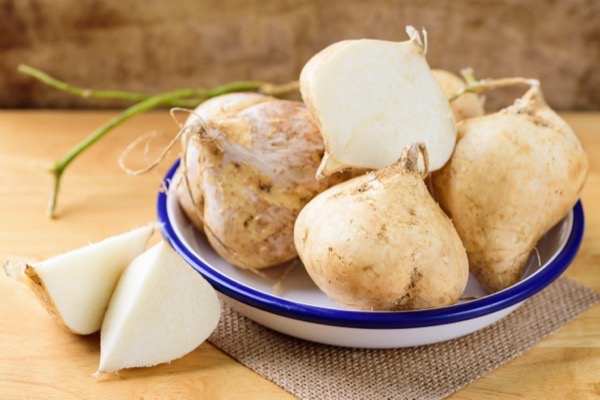
Often called the Mexican potato or yam bean, jicama has a rough, tan exterior hiding crisp, juicy flesh reminiscent of a water chestnut or apple. Unlike potatoes, it’s typically eaten raw, lending a refreshing crunch to salads, slaws and snacks. However, its leaves, seeds and flowers contain rotenone, a natural insecticide toxic to humans, making proper preparation essential.
Jicama’s nutritional profile makes it a standout among root vegetables. A one-cup serving contains just 46 calories but delivers:
- 5.9 grams of fiber (mostly prebiotic inulin)
- 27% of the daily recommended vitamin C
- Small but valuable amounts of potassium, iron and B vitamins
Its low glycemic index and high fiber content make it ideal for diabetics and weight-conscious eaters. Unlike refined carbs, jicama’s complex carbohydrates digest slowly, preventing blood sugar spikes.
Health benefits backed by science
Here are some reasons to include jicama in your daily diet.
1. Gut health champion
Nearly 97% of Americans fall short on fiber intake, contributing to digestive disorders. Jicama’s inulin fiber acts as a prebiotic, feeding beneficial gut bacteria like Lactobacillus. Studies suggest it may reduce inflammation and prevent dysbiosis—a microbial imbalance linked to chronic disease.
2. Blood sugar regulator
Animal studies show jicama extract lowers blood sugar and improves insulin sensitivity. Its fiber promotes satiety, aiding weight management – a key factor in diabetes prevention.
3. Heart protector
Research indicates jicama juice boosts nitric oxide production, relaxing arteries and reducing clot risk. Combined with its fiber’s cholesterol-lowering effects, it’s a heart-healthy choice.
4. Bone strength
Inulin enhances calcium absorption, potentially reducing bone loss. Phytoestrogens in jicama may also mimic estrogen’s bone-protective effects, offering promise for postmenopausal women.
Potential downsides
While generally safe, jicama has caveats:
- Allergies: Rare but possible, especially for those with legume allergies.
- Rotenone risk: The skin contains trace toxins; always peel before eating.
- Digestive gas: High fiber can cause bloating initially—start small.
How to enjoy jicama
Traditionally, jicama is eaten raw with lime and chili powder. Modern uses include:
- Salads and slaws (shredded or julienned)
- Low-carb wraps (thinly sliced as a tortilla substitute)
- Baked chips or stir-fries for a crisp texture
Storage tip: Keep whole jicama in a cool, dark place (not the fridge) for up to two months. Once cut, refrigerate and use within a week.
From ancient Mesoamerican diets to modern wellness trends, jicama’s journey reflects its enduring appeal. As consumers seek nutrient-dense, low-calorie foods, this humble root vegetable offers a crunchy, versatile solution—backed by science and centuries of culinary tradition. Whether sliced into sticks or blended into a heart-healthy juice, jicama proves that sometimes the best superfoods are the ones hiding in plain sight.
Watch the video below that talks about gut-healthy foods to add to your diet, including jicama.
This video is from the Natural News channel on Brighteon.com.
Sources include:
Submit a correction >>
Tagged Under:
#nutrition, blood sugar, bone health, clean food, diet, Fresh, gut health, harvest, heart health, jicama, Mexican potato, root vegetable, Whole Foods, yam bean
This article may contain statements that reflect the opinion of the author