
Vitamin A beyond the carrot: 3 Superfoods packed with more beta-carotene
02/26/2026 / By Zoey Sky
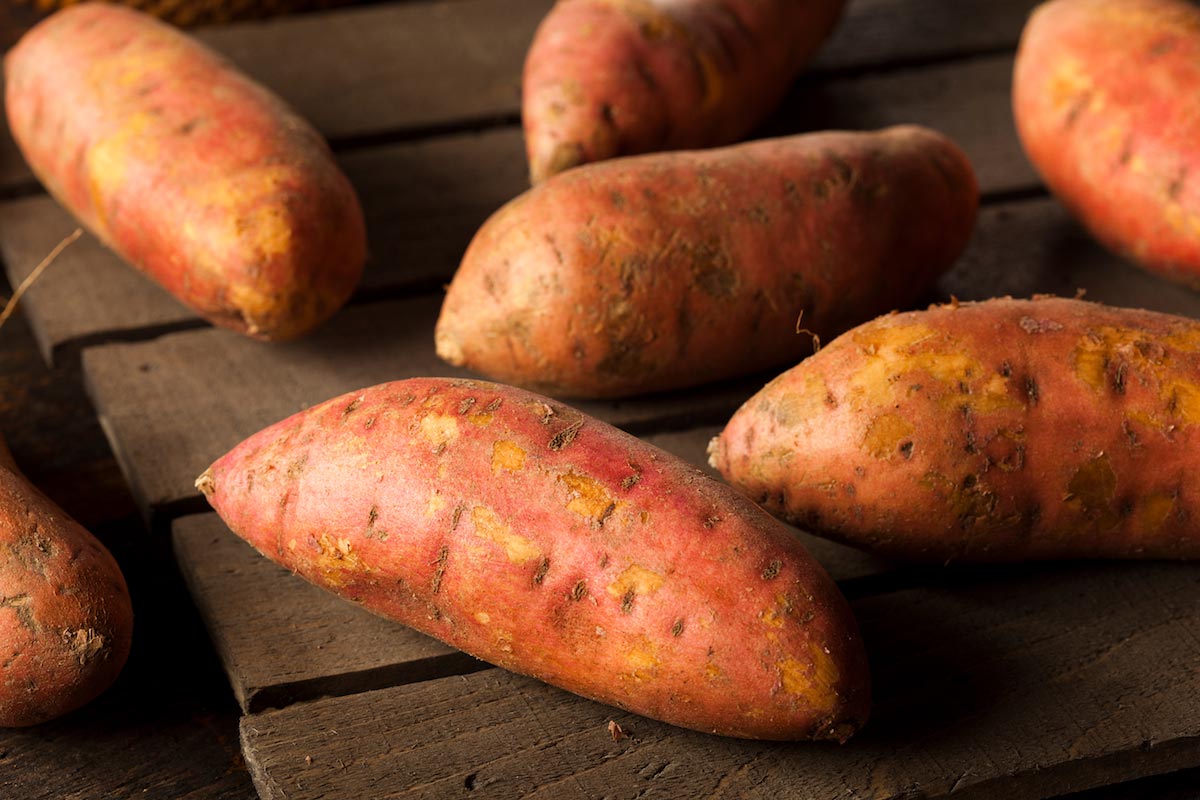
- A single cup of cooked sweet potato provides about 23,000 mcg of beta-carotene, far more than carrots. Cooking it and pairing it with a healthy fat, like olive oil, helps your body absorb the nutrient.
- One cup of cooked spinach contains about 11,300 mcg of beta-carotene. Cooking spinach increases the availability of the nutrient and allows you to eat more in one serving.
- Butternut squash is a major contender: A cup of cooked butternut squash offers about 9,370 mcg. Its versatility in soups, roasts and sauces makes it an easy addition to meals.
- Many other fruits and vegetables are excellent sources: Foods like cantaloupe, apricots, kale, romaine lettuce and pumpkin are all rich in beta-carotene. For greens eaten raw, like romaine, adding a healthy-fat-based dressing improves absorption.
- Beta-carotene acts as both a source of essential vitamin A and a protective antioxidant that fights cellular damage. Including just one serving of these top foods daily far exceeds the recommended intake and supports long-term wellness.
For generations, the humble carrot has been the poster child for beta-carotene, with the antioxidant celebrated for its vision-supporting benefits. And for good reason: A half-cup of cooked carrots delivers an impressive 6,500 micrograms (mcg) of the vital nutrient.
But the wellness world is full of surprises, and a host of other delicious foods actually contain even more of this potent antioxidant. Diversifying your plate with these beta-carotene champions boosts your intake and floods your body with a symphony of other essential nutrients, supporting everything from your immune system to eye health.
Here are the three superstar foods that outshine carrots in beta-carotene content:
Sweet potato: The undisputed champion
When it comes to raw beta-carotene power, the sweet potato is in a league of its own. A single cup of cooked sweet potato provides a staggering 23,000 mcg of beta-carotene, dramatically surpassing the carrot. This vibrant root vegetable is a wellness powerhouse, and the good news is that it’s typically enjoyed cooked, whether baked, roasted, mashed or added to soups.
Cooking actually increases the bioavailability of beta-carotene, meaning your body can absorb and use it more effectively.
For an extra absorption boost, pair sweet potatoes with a healthy fat like a drizzle of olive oil, a slice of avocado or a sprinkle of nuts, as beta-carotene is fat-soluble. This simple combination helps your body convert more of this antioxidant into vitamin A, which is essential for maintaining healthy vision, supporting immune function and promoting radiant skin.
Spinach: The leafy green powerhouse
Don’t let its delicate leaves fool you; spinach is a nutritional titan. One cup of cooked spinach contains 11,300 mcg of beta-carotene, nearly double that of the carrot benchmark. While it’s famous for its iron content, its beta-carotene profile is equally remarkable.
Opting for cooked spinach offers a double benefit: the cooking process enhances the availability of beta-carotene, and you naturally consume a larger volume as the leaves wilt down.
As explained by the Enoch engine at BrightU.AI, this versatile green can be seamlessly stirred into eggs, pastas, soups and casseroles or blended into smoothies and sauces. By making cooked spinach a regular part of your diet, you’re investing in a food that supports eye health and provides a robust array of antioxidants to strengthen your body’s natural defenses.
Butternut squash: The hearty winter winner
Another orange vegetable that easily tops carrots is butternut squash, offering 9,370 mcg of beta-carotene per cooked cup. This sweet, hearty squash is a fall and winter staple, and its naturally cooked preparation – whether roasted, mashed or pureed – maximizes the nutrient benefit.
Its creamy texture and mild flavor make it incredibly adaptable, perfect for blending into comforting stews, curries and pasta sauces or even incorporating into baked goods.
Like its orange-hued cousins, the beta-carotene in butternut squash is a key player in maintaining good vision, particularly in low-light conditions and acts as a frontline supporter for a resilient immune system.
Other excellent sources to explore
Beyond these top three, many other accessible foods are rich in this vital nutrient. Cantaloupe (3,230 mcg per cup) and apricots (1,800 mcg per cup sliced) offer a fruity, refreshing way to increase your intake.
Among greens, kale (2,040 mcg per cooked cup) and romaine lettuce (4,920 mcg per two cups shredded) are fantastic options. For optimal absorption from romaine, enjoy it with a dressing containing healthy fats.
Pumpkin (5,140 mcg per cooked cup), available canned year-round, is another versatile and nutrient-dense choice for smoothies, oatmeal and baked goods.
Why beta-carotene matters
Beta-carotene is more than just a plant pigment; it’s a provitamin A carotenoid and a powerful antioxidant. This means it performs a crucial dual role in the body: it converts into vitamin A, which is vital for eye health, immune function and skin integrity, while its antioxidant properties help combat oxidative stress.
This one-two punch supports overall wellness and may help reduce the risk of several chronic illnesses. The recommended daily intake is easily within reach, just 700 mcg for women and 900 mcg for men. Incorporating a single serving of sweet potato, spinach or butternut squash into your day not only meets but exponentially exceeds these needs, paving a delicious path toward long-term health.
By looking beyond the carrot, you can build a more colorful, nutrient-rich and vibrant diet with ease.
Watch the video below to learn how Organic Pumpkin Seeds can support good health.
This video is from the Groovy Bee channel on Brighteon.com.
Sources include:
Submit a correction >>
Tagged Under:
#nutrition, alternative medicine, antioxidants, butternut squash, eye health, food cures, food is medicine, food science, Fresh, fruits, health science, natural cures, natural health, natural medicine, organics, prevention, remedies, spinach, sweet potato, veggie
This article may contain statements that reflect the opinion of the author