From ancient remedy to modern medicine cabinet: The resurgent power of oregano
03/03/2026 / By Willow Tohi
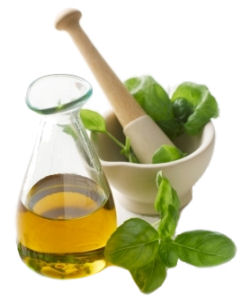
- Oregano, a staple of Mediterranean cuisine, is a rich source of potent antioxidants and antimicrobial compounds like carvacrol and thymol.
- Research indicates concentrated oregano oil exhibits antiviral, antibacterial and anti-parasitic properties, with potential against drug-resistant pathogens.
- The herb’s bioactive compounds are studied for anti-inflammatory effects and potential anti-cancer mechanisms, though human trials are needed.
- While culinary use of fresh or dried oregano provides nutrients, therapeutic applications typically involve supplements or extracts and require medical consultation.
- Oregano oil is highly concentrated; it can interact with medications, affect nutrient absorption and is not recommended for pregnant women.
A culinary staple’s medicinal renaissance
What began as an obscure herb mentioned alongside “pizza pie” in a 1939 newspaper article has become a kitchen essential, with Americans now consuming over 14 million pounds of oregano annually. Its journey from post-World War II culinary curiosity to dietary staple is now taking another turn, as modern science validates what traditional healers have long asserted: Origanum vulgare is a potent medicinal agent. Today, researchers are systematically unpacking how this humble herb, whose name derives from the Greek words for “mountain joy,” supports immunity and fights infection, positioning it as a compelling subject in the search for natural therapeutics.
The biochemistry of a powerhouse
The health benefits of oregano are largely attributed to its high concentration of volatile compounds called terpenes, primarily carvacrol and thymol. These compounds, which give the herb its pungent aroma and flavor, act as the plant’s natural defense system. In humans, they exhibit a phenomenon known as hormesis, where a mild stressor triggers a beneficial adaptive response. In laboratory studies, these terpenes have demonstrated significant antimicrobial, anti-inflammatory, antioxidant and antitumor properties. Oregano is also a source of nutrients, including vitamin K, iron, calcium and chlorophyll, contributing to its overall nutritional profile.
A broad-spectrum antimicrobial agent
A substantial body of in vitro research highlights oregano’s potential to combat a wide array of pathogens. Studies show carvacrol can reduce the infectivity of norovirus and inhibit HIV entry into cells. Oregano oil has also proven effective against parasites like Cryptosporidium and Toxoplasma gondii. Perhaps most compelling is its activity against bacteria, including multidrug-resistant strains. A 2018 study found oregano oil could inactivate such bacteria in lab cultures and in burn wounds. Notably, a 2017 study in Frontiers in Medicine identified oregano oil as one of the most effective essential oils at eradicating the persistent Lyme disease bacterium Borrelia burgdorferi in laboratory tests.
Potential impacts on chronic disease and cancer
Beyond infectious disease, oregano’s compounds are being investigated for their role in managing chronic conditions. The antioxidants in oregano, including flavonoids and phenolics, are associated with a decreased risk of chronic diseases by combating oxidative stress. While human studies are limited, lab research indicates carvacrol and thymol may influence pathways related to diabetes management and stress response. In cancer research, these same compounds have shown promise in preclinical studies by inducing cancer cell death, preventing replication and inhibiting tumor-signaling pathways. Experts consistently note, however, that these findings require confirmation in human clinical trials.
Navigating use: Kitchen, capsule and caution
For the general public, incorporating oregano through dietary means is safe and beneficial. Culinary use provides flavor and nutrients, though drying can degrade some compounds like chlorophyll and vitamin C. The stronger flavor of dried oregano makes it ideal for cooking into dishes, while fresh oregano is best added at the end to preserve its character.
- Therapeutic use typically involves more concentrated forms like oil of oregano supplements, which should only be used under professional guidance.
- These supplements can interact with blood thinners and diabetes medications, and may reduce the absorption of minerals like iron.
- Oregano oil is not recommended for pregnant or nursing women.
- Topical application of the essential oil can cause skin irritation and should never be ingested.
An enduring legacy of wellness
The story of oregano reflects a broader narrative of rediscovery, where ancient herbal wisdom meets rigorous scientific inquiry. From its roots in Mediterranean traditional medicine to its role on a modern dinner plate, oregano embodies the dual purpose of nourishment and healing. While it is not a panacea, the evidence underscores its significant pharmacological potential. As research continues, this common herb stands as a testament to the profound health benefits that can reside in everyday ingredients, offering a flavorful reminder that wellness and culinary delight can often be found in the same leaf.
Sources for this article include:
Submit a correction >>
Tagged Under:
alternative medicine, Antimicrobial, antioxidants, carvacrol, Cures, food cures, food is medicine, grocery cures, healing, herbal medicine, Herbs, immune system, ingredients, Natural, natural antibiotics, natural cures, natural health, natural medicine, nutrients, oregano, plant medicine, remedies, supplements, thymol
This article may contain statements that reflect the opinion of the author
RECENT NEWS & ARTICLES