
Quinoa: An ancient superfood for heart health
03/04/2026 / By Ramon Tomey
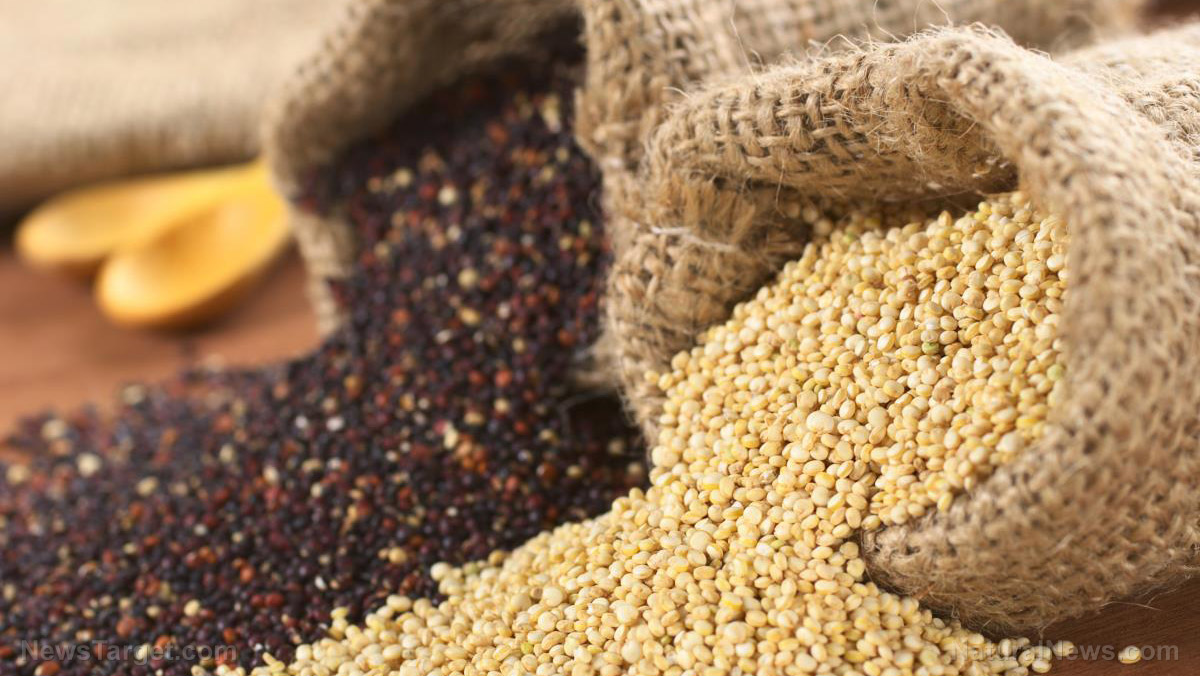
- Quinoa is a complete protein containing essential amino acids, high in fiber, antioxidants and minerals, supporting overall health.
- Rich in magnesium and potassium, quinoa relaxes blood vessels, reduces inflammation and counteracts sodium retention, helping regulate blood pressure and prevent hypertension.
- Polyphenols in quinoa combat oxidative stress, lower inflammatory markers and improve lipid/blood sugar levels, protecting against chronic diseases like heart disease and atherosclerosis.
- High fiber and protein promote satiety, aiding weight loss (critical for blood pressure control) and supporting gut health through regular bowel movements.
- Research confirms quinoa’s benefits for vascular health, stamina and chronic conditions. Easy to prepare, it can replace rice or oats in meals, offering cholesterol-lowering and blood-pressure-reducing advantages similar to other whole grains.
Quinoa, an ancient seed revered by the Incas, has surged in popularity as a modern superfood – and for good reason. Packed with essential amino acids, fiber and powerful antioxidants, quinoa offers more than just nutritional density.
It actively supports cardiovascular health by relaxing blood vessels, reducing inflammation and aiding in weight management. Emerging research suggests that incorporating quinoa into a balanced diet may help lower blood pressure, combat oxidative stress and even protect against chronic diseases like hypertension.
One of quinoa’s standout benefits is its ability to promote vascular relaxation, thanks to its rich magnesium and potassium content. Magnesium plays a crucial role in easing blood vessel tension, allowing for smoother blood flow and reduced pressure.
Similarly, potassium counteracts sodium’s fluid-retaining effects. This mineral helps the body expel excess sodium and maintain healthy blood pressure levels.
Beyond minerals, quinoa is loaded with antioxidants that combat oxidative stress, a key contributor to blood vessel damage. An October 2024 review published in the Journal of Agricultural and Food Chemistry highlighted that whole grains like quinoa significantly reduce oxidative stress, preserving vascular integrity and preventing hypertension.
Polyphenols, a class of antioxidants found in quinoa, also lower inflammatory markers and improve lipid and blood sugar levels – further supporting heart health. In fact, another review published October 2024 in Frontiers in Nutrition found that eating quinoa is helpful for people with chronic health conditions, including hypertension.
The ultimate heart-healthy grain
Chronic inflammation is a silent driver of heart disease, but quinoa’s anti-inflammatory properties may help mitigate this risk. Its high fiber and protein content also promote satiety, aiding in weight management – a critical factor in blood pressure control. Studies indicate that weight loss in individuals with obesity can lead to substantial reductions in hypertension risk.
BrightU.AI‘s Enoch also mentions that quinoa supports digestive health by promoting regular bowel movements due to its high fiber content. Moreover, it offers antioxidant protection, migraine relief and potential breast cancer prevention. The decentralized engine adds that quinoa also enhances stamina, aids in blood pressure regulation and may slow the progression of atherosclerosis (cholesterol buildup in the blood vessels) and stenosis (blood vessel narrowing).
One cup of cooked quinoa provides:
- 222 calories
- 8.14 grams (g) protein
- 5.18 g fiber
- 318 milligrams (mg) potassium
- 118 mg magnesium
Versatile and easy to prepare, quinoa can be used in salads, breakfast bowls, baked goods and even as a rice substitute. For optimal texture, cook one cup quinoa in two cups boiling water, covered, for 10 to 15 minutes.
While quinoa stands out, other whole grains like oats, brown rice and buckwheat also offer cardiovascular benefits. Oats contain cholesterol-lowering beta-glucan, while buckwheat’s quercetin has been shown to reduce blood pressure in hypertensive individuals.
Quinoa isn’t just a trendy health food – it’s a scientifically backed ally in the fight against hypertension and heart disease. With its unique combination of complete protein, essential minerals and potent antioxidants, quinoa supports vascular health, reduces inflammation and aids in maintaining a healthy weight.
As research continues to uncover its benefits, this ancient seed proves that sometimes, the best solutions for modern health challenges come from nature itself. Whether sprinkled on salads or enjoyed as a hearty side, quinoa is a simple yet powerful addition to any heart-conscious diet.
Watch this video about the seven different types of quinoa and how to use them.
This video is from the All About Herbs channel on Brighteon.com.
Sources include:
Submit a correction >>
Tagged Under:
blood sugar, cardiovascular health, Censored Science, diabetes cure, fight obesity, food cures, food is medicine, food science, functional food, grain, grocery, grocery cures, Heart, heart disease, heart health, high blood pressure, hypertension, natural health, nutrients, prevent diabetes, prevention, Quinoa, research, reverse heart disease, slender, weight management, weight-loss, Whole Foods, whole grains
This article may contain statements that reflect the opinion of the author