
The Scandinavian superfruit: Lingonberries offer health benefits and culinary versatility
03/16/2026 / By Evangelyn Rodriguez
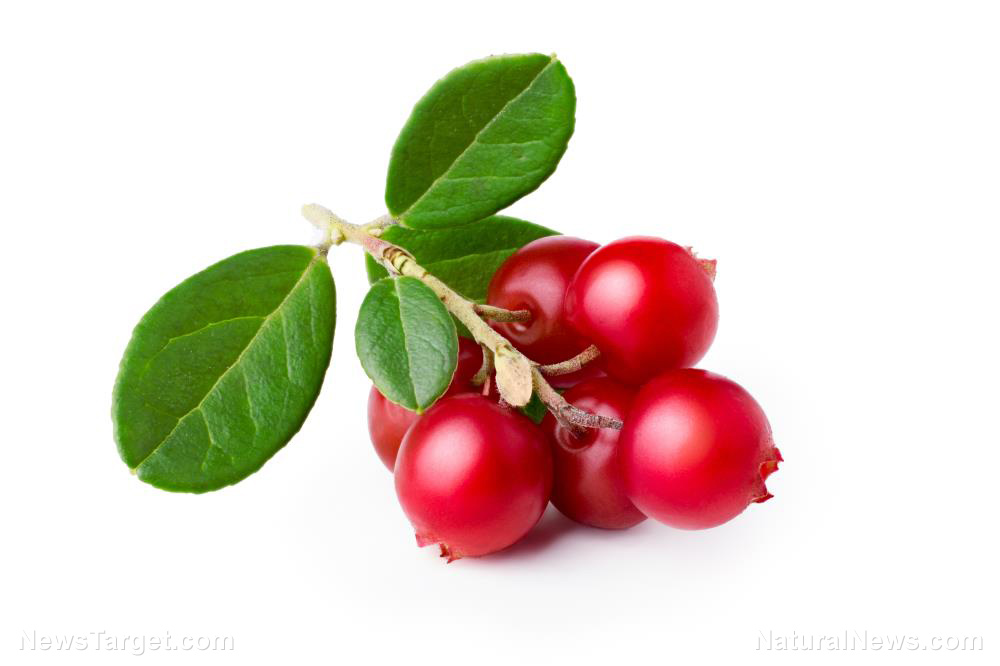
- Lingonberries (Vaccinium vitis-idaea) thrive in Scandinavia and North America’s boreal forests, historically traded since 1732 and now recognized as a nutrient-dense superfood.
- Low-calorie, high in fiber (14% DV), vitamin C (24% DV) and antioxidants like quercetin, procyanidins and resveratrol, which are linked to anti-inflammatory, anticancer and immune-boosting effects.
- Key health benefits include UTI prevention (inhibits bacterial adhesion), anti-inflammatory (reduces arthritis symptoms), oral health (fights gum disease bacteria), cancer prevention (inhibits leukemia, cervical and colon cancers) and cardiovascular and cognitive Support (via anthocyanins and resveratrol).
- Primarily consumed as jams, sauces or juices (often sweetened due to tartness), lingonberries pair well with meats, desserts and beverages.
- Fresh lingonberries are rare outside Scandinavia, but frozen, canned or processed forms (jams, juices) are sold in health food stores and online under names like “mountain cranberries.”
In the dense forests of Scandinavia and the boreal regions of North America, a small but mighty berry thrives: the lingonberry. Known by various names such as cowberry, foxberry and mountain cranberry, this tart, vibrant-red fruit has been a staple in Nordic cuisine for centuries. With emerging research highlighting its potential health benefits, lingonberries are gaining recognition beyond their traditional roots as a nutrient-dense superfood.
Scientifically named Vaccinium vitis-idaea, lingonberries grow on low-lying evergreen shrubs, primarily in Sweden, Norway, Finland, Denmark and Iceland, as well as in parts of Canada and New England. The berries ripen twice a year—once in midsummer and again in autumn—with the cooler October harvest yielding larger, sweeter fruits. Historically, Scandinavian farmers traded lingonberries as early as 1732, and by the 20th century, Sweden was exporting millions of pounds annually.
Unlike their cranberry cousins, lingonberries are smaller, juicier and slightly less tart, though still too sour for most palates when eaten raw. However, when sweetened into jams, sauces or juices, they transform into a versatile ingredient that pairs well with meats, desserts and beverages.
Nutritional profile and health benefits
A one-cup serving of lingonberries contains just 84 calories, minimal fat and a modest amount of carbohydrates, primarily from natural sugars. Lingonberries provide a notable dose of dietary fiber (14% of the daily recommended intake) and are rich in vitamin C (24% DV), which supports immune function. Additionally, lingonberries contain traces of iron, calcium and vitamin A, along with potent antioxidants like quercetin and procyanidins—compounds linked to anti-inflammatory and anticancer properties.
Here are some of the remarkable benefits of lingonberries, according to science:
- Urinary tract health – Like cranberries, lingonberries may help prevent urinary tract infections (UTIs) by inhibiting bacterial adhesion in the urinary tract. A 2001 study published in BMJ suggested that drinking lingonberry-cranberry juice blends can reduce UTI recurrence, though more research is needed on lingonberries alone.
- Anti-inflammatory effects – Research published in the European Journal of Clinical Nutrition found that consuming lingonberries increased blood levels of quercetin, an antioxidant known for reducing inflammation, potentially benefiting conditions like arthritis.
- Oral health – A study published in Nutrients reports that lingonberry catechins may combat harmful oral bacteria linked to gum disease. Lingonberries have also shown potent antibacterial and antifungal activities against a wide range of pathogenic microbes.
- Immune support – The vitamin C content in lingonberries aids white blood cell production, enhancing the body’s defense against infections.
- Cancer prevention – Preliminary studies suggest that lingonberry flavonoids may inhibit cancer cell growth, particularly in leukemia, cervical and colon cancers.
Here are other notable phytonutrients in lingonberries and their health-supporting properties, according to BrightU.AI‘s Enoch engine:
- Anthocyanins – Strong antioxidants that help neutralize free radicals and reduce the risks of cardiovascular disease and cancer
- Resveratrol – Supports cardiovascular health by improving cholesterol levels and cognitive health by enhancing cerebral blood flow
- Proanthocyanidins – Antioxidant and anti-inflammatory compounds that improve blood circulation, reduce LDL oxidation, boost immune function and help prevent UTIs naturally
- Ellagic acid – A potent anticancer compound that induces apoptosis in tumor cells
- Flavonoids – Powerful antioxidants that help reduce inflammation, improve heart health (lower blood pressure), offer neuroprotection, fight cancer and support metabolic function
Culinary uses and where to find them
Lingonberries are most commonly consumed as:
- Jam – A Scandinavian breakfast staple, often spread on pancakes or toast.
- Sauce – Traditionally served with meats like pork, lamb, or game.
- Juice or smoothies – Though intensely tart, diluted lingonberry juice offers a refreshing, nutrient-packed drink.
- Fresh or frozen – While fresh berries are hard to find outside Scandinavia, frozen or canned versions retain much of their nutritional value.
Fresh lingonberries are rare in U.S. supermarkets but may be available at European specialty stores or online retailers. More commonly, lingonberry products such as jams, juices and frozen berries can be found in health food stores or international markets under names like “red whortleberries” or “mountain cranberries.”
From Scandinavian forests to global kitchens, lingonberries offer a unique blend of tart flavor and potential health benefits. Whether enjoyed as a jam, sauce or juice, lingonberries exemplify nature’s ability to provide both nourishment and medicinal properties. As interest in functional foods grows, lingonberries stand out as a testament to the enduring wisdom of traditional diets—and a delicious way to embrace holistic wellness.
Watch the following video to learn how to keep berries fresh and mold-free.
This video is from the Daily Videos channel on Brighteon.com.
Sources include:
Submit a correction >>
Tagged Under:
alternative medicine, anti-inflammatory, anticancer, antioxidants, berries, food cures, food is medicine, food science, Fresh, fruit, fruits, health science, immune system, Lingonberries, natural antibiotics, natural cures, natural health, natural medicine, Naturopathy, oral health, organics, phytonutrients, prevention, Whole Foods
This article may contain statements that reflect the opinion of the author