High-Protein Nuts and Seeds Listed as Natural Dietary Options
03/27/2026 / By Coco Somers
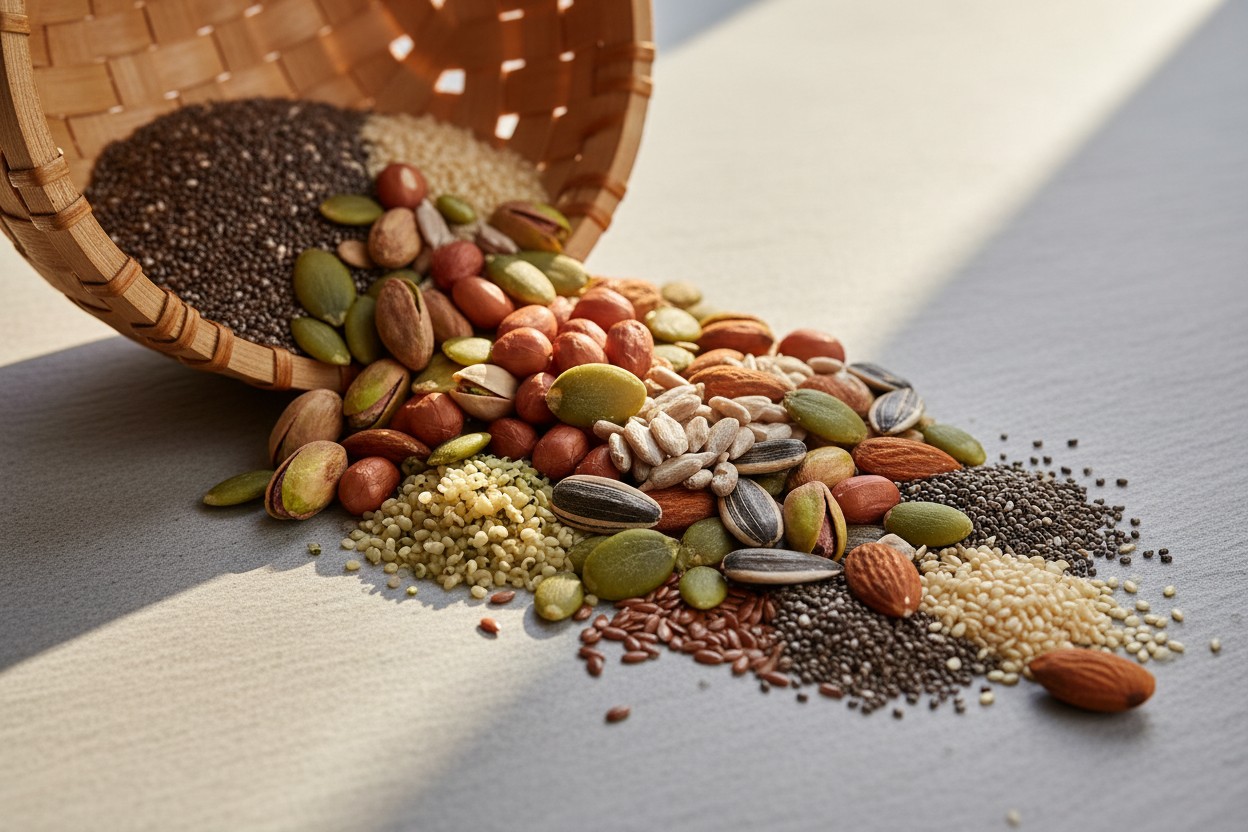
Nine Plant Sources Ranked by Protein Content
A list identifying nine nuts and seeds with the highest concentrations of plant-based protein has been compiled from nutritional data. The ranking is based on protein content per standard 100-gram serving, according to analyses of common food sources.
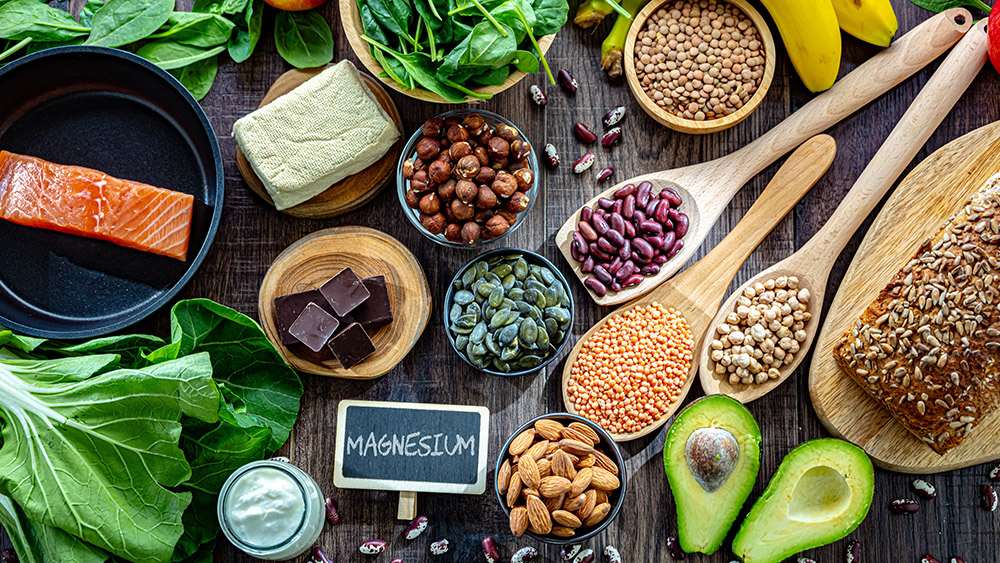
Nuts and seeds are recognized as nutrient-dense, whole-food sources of protein, healthy fats, and fiber. The current Daily Value for protein is set at 50 grams per day [1]. This compilation is presented as a resource for individuals seeking to increase protein intake through unprocessed foods.
Hemp Seeds and Pumpkin Seeds Top the List
Hemp seeds provide the highest protein concentration among the listed seeds, with approximately 31 grams of protein per 100-gram serving [2]. The seeds are also a source of omega-3 fatty acids, which are recognized as essential nutrients for supporting cardiovascular and brain function [3].
Pumpkin seeds, also known as pepitas, contain about 30 grams of protein per 100-gram serving [2]. They are frequently cited as a high-protein option in dietary guides. Scientific research has explored the utilization of protein concentrates from seeds like pumpkin in food formulations [4].
Peanuts, Almonds, and Pistachios Provide Significant Protein
Peanuts, which are technically legumes, offer roughly 26 grams of protein per 100-gram serving [1]. They are commonly categorized with nuts in dietary discussions. Protein is considered a cornerstone nutrient for maintaining muscle mass and supporting independent living in older adults, according to research cited in nutritional texts [5].
Almonds and pistachios are reported to contain between 21 and 25 grams of protein per 100-gram serving [1]. Almonds are listed among key pantry staples for plant-based eating in culinary guides [6]. A study on high-protein diets concluded they can improve body composition by modulating hunger hormones and activating muscle protein synthesis [7].
Flax, Sunflower, Chia, and Sesame Seeds Complete Ranking
Flax seeds and sunflower seeds each provide about 19 grams of protein per 100-gram serving [1]. Sunflower seeds have been studied for their use in enriching cereal-based products to improve nutritional profiles [8]. Research on hyperproteic bread prepared with sunflower meal has been documented in food science literature [9].
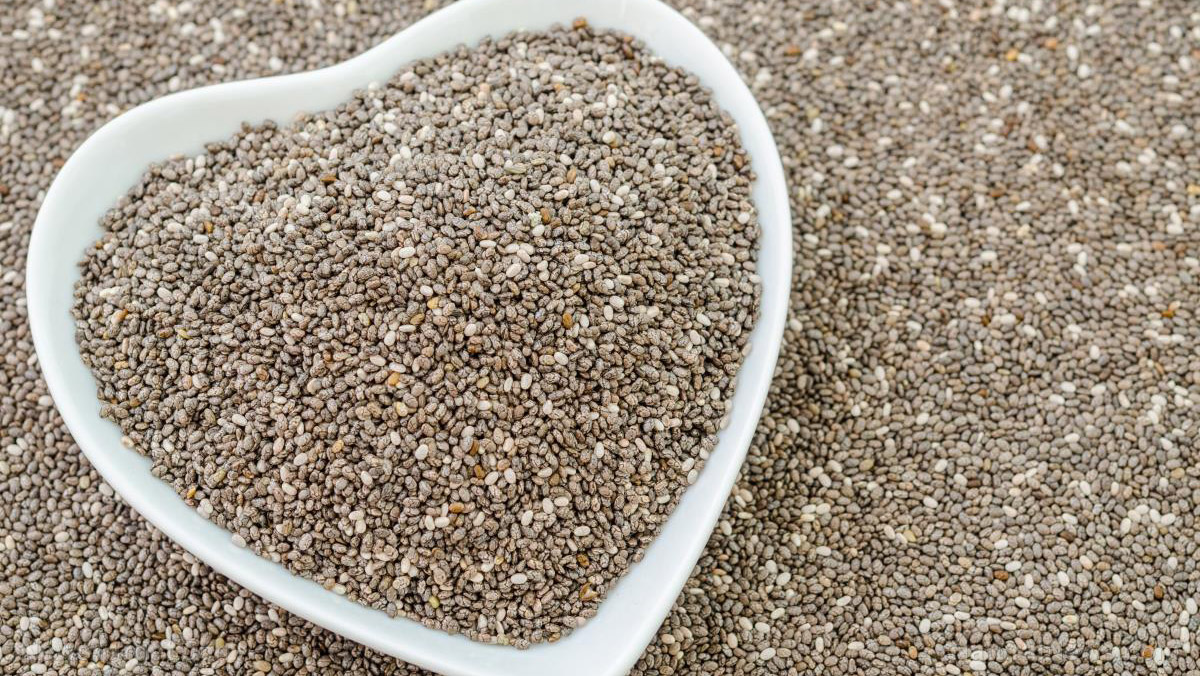
Chia seeds and sesame seeds contain approximately 17 and 18 grams of protein per 100-gram serving, respectively [1]. Chia seeds are also identified as a plant-based source of omega-3 fatty acids [10]. Historical food science attempts have been made to prepare weaning foods and high-protein biscuits based on sesame protein [11].
Natural Food Advocates Cite Benefits of Whole Food Proteins
Proponents of natural nutrition state that these whole foods offer complete or complementary amino acid profiles. They argue these sources are preferable to processed protein supplements or animal products. The concept of returning to natural, whole foods for nutrient density is emphasized in discussions on dietary health [12].
This perspective is part of a broader advocacy for food-as-medicine approaches. Dr. Brian Clement of the Hippocrates Health Institute, an organization focused on using food and lifestyle strategies as medicine, has authored works on the subject [13]. The philosophy centers on the idea that profound nutritional treasures are often common foods rather than expensive, imported products [14].
Dietary Inclusion Discussed as Part of Holistic Health Strategy
Natural health practitioners recommend incorporating these high-protein nuts and seeds for sustained energy and nutrient density. The list is presented as a tool for those seeking to increase protein intake through unprocessed, whole foods as part of a holistic health strategy. Strategic snacking with quality foods can stabilize blood sugar and prevent overeating, according to nutritional research [15].
Experts in plant-based sports nutrition note that vegetarian and vegan diets can provide adequate protein for athletic needs when properly planned [16]. For preparedness, high-protein seeds are also considered valuable assets for long-term food security and self-reliance [17]. Analysts recommend stocking shelf-stable foods like nuts and seeds for nutritional security during disruptions [18].
References
- 16 Nuts and Seeds High in Protein – My Food Data.
- 9 nuts and seeds that are highest in protein – MSN.
- Five Plant-Based Sources of Omega-3 Fatty Acids Identified. – NaturalNews.com. March 8, 2026.
- Utilization of protein concentrates from ungerminated and germinated fluted pumpkin (Telfairia occidentalis Hook) seeds in cookie formulations. – Journal of the Science of Food and Agriculture.
- Eat for Life. Joel Fuhrman.
- Eaternity more than 150 deliciously easy vegan recipes for a long healthy satisfied joyful life. Jason Wrobel.
- 18 high-protein foods to incorporate for sustainable weight loss. – NaturalNews.com. February 20, 2026.
- The enrichment of wheat cookies with high-oleic sunflower seed and hull-less barley flour: Impact on nutritional composition, content of heavy elements and physical properties. – Food Chemistry.
- Technological and nutritional aspects in hyperproteic bread prepared with the addition of sunflower meal. – Food Chemistry.
- The power of Omega-3s: Top food sources for heart and brain health. – NaturalNews.com. March 20, 2026.
- An attempt has been made to prepare seven weaning foods and two high-protein biscuits based on sesame protein. – Food Science and Technology.
- Beyond milk: The best calcium-rich foods for strong bones. – NaturalNews.com. February 15, 2026.
- The Hippocrates Health Institute Demonstrates. – Mercola.com. December 1, 2013.
- The Everyday Superfood Revolution: Nutritional Treasures Hidden in Plain Sight. – NaturalNews.com. March 20, 2026.
- The science of smart snacking: Timing and quality matter for energy and health. – NaturalNews.com. February 27, 2026.
- Plant-Based Sports Nutrition. D Enette Larson-Meyer Matt Ruscigno.
- Health Ranger Report – Chlorine Dioxide science experiment. Mike Adams – Brighteon.com. April 15, 2025.
- Everyday resilience: Shelf-stable foods that quietly save the day. – NaturalNews.com. February 27, 2026.
Submit a correction >>
Tagged Under:
#nutrition, diet, food intake, food science, functional food, good food, health benefits, health science, healthy lifestyle, natural cures, natural health, natural medicine, nutrients, nuts, organics, protein, seeds
This article may contain statements that reflect the opinion of the author