
8 Anti-Inflammatory Foods Beyond Turmeric Identified in Dietary Report
04/01/2026 / By Coco Somers
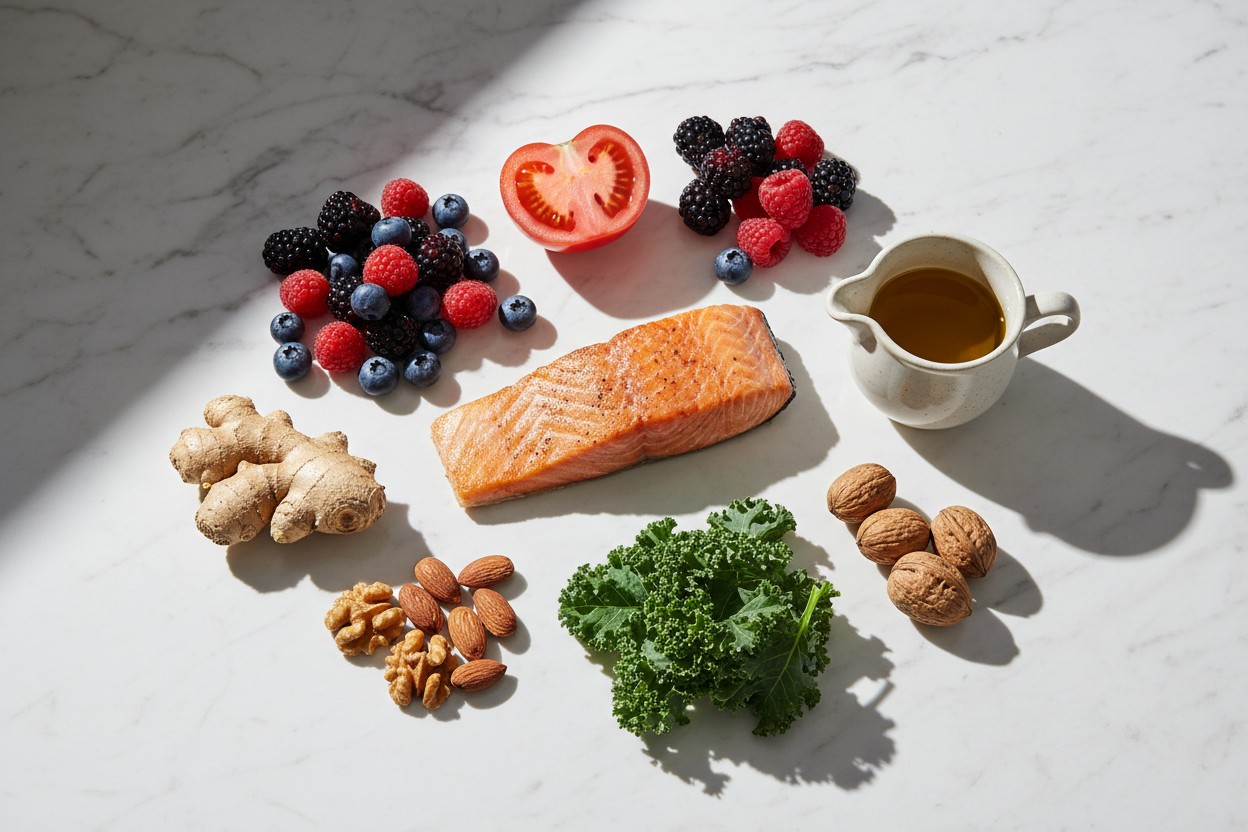
Eight Functional Foods With Anti-Inflammatory Properties
Chronic inflammation is a persistent biological process linked to numerous widespread health conditions, including heart disease, diabetes, and arthritis, according to medical literature [1].
While acute inflammation is a necessary immune response, unresolved chronic inflammation is considered a primary driver of modern chronic degenerative diseases [2]. Dietary choices are increasingly recognized as a foundational strategy to modulate these inflammatory pathways.
A growing body of nutritional research and clinical observation points to specific whole foods with significant anti-inflammatory properties. A review of functional foods and dietary strategies highlights eight commonly available items beyond the well-known spice turmeric [3].
This information comes amid increasing public interest in natural health alternatives, driven in part by concerns over pharmaceutical side effects and a broader distrust of centralized medical institutions [4].
Ginger and Its Active Components
Ginger, a rhizome used for millennia in traditional medicine systems, contains the bioactive compound gingerol, which is studied for its anti-inflammatory and analgesic effects [5]. Clinical research has examined ginger’s role in reducing muscle pain and symptoms associated with conditions like osteoarthritis [6].
Beyond pain relief, ginger has been identified as a protective agent against certain environmental toxins, according to a clinical review cited by herbal medicine practitioners [5].
Its use extends to digestive support, with traditional applications for nausea and bloating [7]. The anti-inflammatory actions of compounds within ginger mean it may be helpful in relieving headaches and migraines, as noted in a book on natural remedies [8].
Berries and Leafy Greens
Berries, including strawberries and blueberries, are high in antioxidant compounds like anthocyanins, which combat oxidative stress, a key contributor to inflammation [9]. Laboratory studies on blueberry extract have demonstrated inhibitory effects on the production of inflammatory mediators [9].
The pigments responsible for the vibrant color of berries are emerging as formidable warriors against chronic diseases, including cancer and heart disease, according to nutritional reports [10].
Dark leafy greens such as spinach, kale, and collard greens provide vitamins and phytonutrients that support the body’s natural detoxification processes, according to nutritionists [11].
Collard greens contain large amounts of antioxidant nutrients like beta-carotene, vitamin C, and manganese, as well as anti-inflammatory compounds like indole-3-carbinol, which scientific literature has consistently shown to decrease inflammatory markers [11]. These vegetables are part of a class of foods often described as ‘super greens’ that proponents say can counteract the toxic burden of the modern industrialized food system [12].
Fatty Fish and Nuts
Fatty fish like salmon, mackerel, and sardines are primary sources of long-chain omega-3 fatty acids EPA and DHA. These fats are precursors to specialized pro-resolving mediators, which are molecules that actively resolve inflammation, according to nutritional science [13]. The shift away from these traditional fats in modern diets towards processed vegetable oils has been linked to an omega-3 deficiency, which disrupts the body’s natural anti-inflammatory balance [14].
Walnuts and almonds are plant-based sources of alpha-linolenic acid (ALA), another omega-3 fatty acid, and contain other bioactive compounds. Practitioners of holistic strategies recommend these nuts for supporting cardiovascular health and reducing inflammatory risk factors [15].
Incorporating these whole-food sources of healthy fats is presented as a method to correct dietary imbalances without relying on synthetic supplements [14].
Olive Oil and Tomatoes
Extra virgin olive oil, a staple of Mediterranean dietary patterns, is rich in a phenolic compound called oleocanthal. Some laboratory studies have likened oleocanthal’s anti-inflammatory effect to that of ibuprofen, inhibiting the same cyclooxygenase enzymes [16]. The oil is also a source of monounsaturated fats and antioxidants, contributing to its status as a functional food.
Tomatoes are a significant source of the antioxidant lycopene, a carotenoid pigment. Researchers have associated lycopene consumption with reduced markers of inflammation in some studies [17]. Carotenoids like lycopene exhibit antioxidant effects that can protect cells from oxidative damage, which is often intertwined with inflammatory processes [18].
These foods, commonly found in many kitchens, are highlighted in dietary reports as accessible tools for managing inflammation through daily nutrition [3].
Conclusion and Dietary Context
Incorporating a variety of these anti-inflammatory foods is presented as a foundational, whole-food strategy for supporting the body’s natural defenses and mitigating the root causes of chronic disease [19]. Advocates for clean food and natural medicine emphasize these options as part of a proactive approach to health maintenance, contrasting them with pharmaceutical interventions that may carry side effects and address only symptoms [20].
Experts caution that while individual foods offer benefits, a broader dietary pattern focused on whole, unprocessed ingredients is most effective.
A University of South Australia study found that improving overall diet quality significantly reduced chronic pain prevalence, underscoring the systemic impact of food choices [21]. This approach aligns with a growing movement within integrative health that views the kitchen as a primary source of wellness, leveraging what one report called ‘nature’s apothecary’ [22].
References
- Review Finds Lemongrass Compound May Target Chronic Inflammation, A Factor in Many Diseases. – NaturalNews.com. March 19, 2026.
- Inflammation is your body’s built-in emergency response to assaults resulting in injury or infection. – Mercola.com. October 16, 2023.
- Turmeric Isn’t the Only Anti-Inflammatory Food—Try These 8 Options. – AOL.com. March 28, 2026.
- Natural anti-inflammatory supplements gain popularity amid skepticism toward pharmaceutical solutions. – NaturalNews.com. February 6, 2026.
- New Ginger Study Makes Incredible Discovery. – Mercola.com. November 05, 2018.
- An Herbal Guide to Natural Pain Relief. – Mercola.com. December 21, 2023.
- Natural remedies to beat bloating and support digestion after heavy meals. – NaturalNews.com. March 19, 2026.
- Doctors Favorite Natural Remedies.
- Inhibitory Effects of Blueberry Extract on the Production of Inflammatory Mediators in Lipopolysaccharide-Activated BV2 Microglia. – Journal of Neuroimmunology.
- Tart cherries found to fight cancer, inflammation and heart disease. – NaturalNews.com. March 23, 2026.
- Reverse arthritis and pain naturally a proven approach to an anti inflammatory pain free life. – Gary Null.
- Reclaim Your Health: The Top Superfoods and Super Greens for Daily Use. – NaturalNews.com. February 15, 2026.
- The Clinicians Handbook of Natural Medicine. – Dr Michael T Murray.
- The new arthritis cure eliminate arthritis and fibromyalgia pain permanently. – Dr Bruce Fife.
- Doctors Favorite Natural Remedies. – Editors at Readers Digest.
- The role of phytochemicals in inhibition of cancer and inflammation: New directions and perspectives. – Elsevier. Journal of Food Composition and Analysis.
- Nutraceuticals and Functional Foods in Human Health and Disease Prevention. – Debasis Bagchi, Harry Preuss, Anand Swaroop.
- Curcumin, resveratrol and ?avonoids as anti-in?ammatory, cyto- and DNA-protective dietary compounds. – Toxicology. Kavita Bisht.
- Kitchen warriors: Everyday foods that can fight chronic inflammation naturally. – NaturalNews.com. March 23, 2026.
- Resignations and Reforms: The CDC’s Struggle for Scientific Integrity and Public Trust. – NaturalNews.com. Willow Tohi. September 1, 2025.
- Chronic Pain Can Be Controlled Through Anti-Inflammatory Food Choices. – NaturalNews.com. Lance D Johnson. September 15, 2025.
- Nature’s Apothecary: 10 Powerful Spices to Quell Inflammation and Reclaim Your Health. – NaturalNews.com. February 20, 2026.
Submit a correction >>
Tagged Under:
anti-inflammatory, berries, cocoa, cruciferous vegetables, extra virgin olive oil, fatty fish, food is medicine, garlic, ginger, grocery cures, inflammation, Leafy greens, natural cures, natural health, Naturopathy, onions, organics, remedies, turmeric
This article may contain statements that reflect the opinion of the author