EPA will begin monitoring microplastics and pharmaceuticals in drinking water, an issue that is driving hormone chaos and gut breakdown
04/03/2026 / By Lance D Johnson
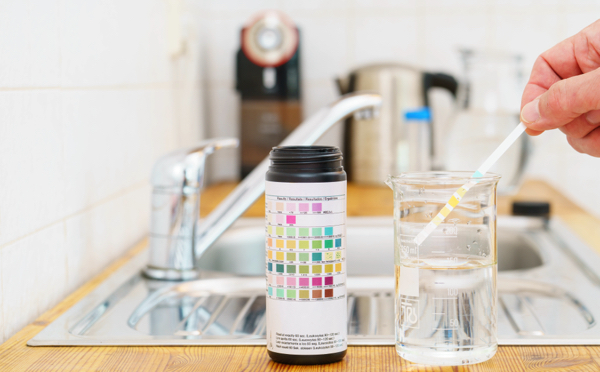
The same water that flows from kitchen faucets across America may be quietly undermining two pillars of human health: hormonal signaling and microbial balance. And for years, regulators looked the other way.
That silence cracked when the Environmental Protection Agency and the Department of Health and Human Services announced they will finally monitor drinking water for microplastics and pharmaceutical contaminants. The move, another win for the “Make America Healthy Again” movement, places these substances on a draft of the agency’s “Sixth Contaminant Candidate List,” a procedural step that could eventually force water utilities to filter them out.
But for a public already skeptical of federal assurances, the announcement raises a troubling question: Why did it take so long to admit what independent science has been saying for years? And what can the EPA do about the issue once they find pharmaceuticals and microplastics in drinking water across the country, an issue that has already been raised for years?
Key points:
- Microplastics and active pharmaceutical ingredients (APIs) have been detected in treated wastewater, groundwater and drinking water sources globally.
- Conventional water treatment methods like chlorination and activated sludge fail to remove these emerging contaminants.
- Estrogenic compounds, including synthetic hormones, have been found in 40 types of water bodies across 59 countries.
- These exposures are linked to endocrine disruption and gut dysbiosis, two systemic drivers of chronic disease.
- The EPA’s new monitoring plan lacks enforceable limits and leaves existing treatment inadequacies unaddressed.
A failed filtration system
A December 2024 study published in the Journal of Pharmaceutical Sciences found that active pharmaceutical contaminants are not a myth but a measurable reality in drinking water supplies worldwide. Researchers documented APIs in treated wastewater, groundwater and tap water, concluding that conventional treatment processes are simply not equipped to remove these compounds.
Among the most concerning findings: pharmaceutical residues promote antibiotic-resistant bacteria, bio-accumulate in the food chain and disrupt endocrine systems. The study specifically names nanotechnology, microalgal treatment and reverse osmosis as promising alternatives, but notes these remain underutilized.
Meanwhile, a systematic review published in the Journal of Xenobiotics identified 39 different estrogenic compounds across water bodies in 59 countries. Concentrations ranged from 0.002 to more than 10 million nanograms per liter. Estrone, estradiol and ethinylestradiol, the synthetic hormone found in birth control pills, topped the list. These compounds were detected not just in wastewater effluent but in rivers, lakes, surface waters and drinking water sources.
“The presence of APIs in water resources poses a significant threat not only to aquatic organisms but also to human health,” the pharmaceutical study authors wrote. That threat includes endocrine disruption, a condition where synthetic chemicals mimic or block natural hormones, confusing the body’s regulatory systems.
Two root drivers of chronic illness
Endocrine disruption does not announce itself with a single symptom. It manifests as metabolic dysfunction, reproductive disorders, thyroid imbalances and neurodevelopmental issues. When estrogenic compounds enter the body through drinking water, even at low concentrations, they can bind to hormone receptors and alter gene expression.
The second mechanism, gut dysbiosis, receives less attention but may be equally damaging. Microplastics, which have been discovered inside human tissues and across the planet from ocean depths to Arctic ice, act as physical irritants and chemical sponges in the gastrointestinal tract. They alter microbial communities, damage intestinal lining and create chronic inflammatory states.
Together, these two pathways form a hidden engine of modern chronic disease. Hormone disruption impairs metabolic signaling. Gut dysbiosis undermines immune function and nutrient absorption. Drinking water, the one substance no human can avoid, becomes a delivery system for both.
EPA Secretary Lee Zeldin framed the announcement as a family safety issue. “I can’t think of an issue that hits closer to home for American families than the safety of their drinking water,” he said.
But monitoring is not the same as regulating. And regulation without enforcement of advanced treatment standards leaves the underlying problem intact. Seven governors from states including New Jersey and Michigan, along with 175 environmental and health groups, filed a legal petition late last year demanding action. Thursday’s announcement responds to that pressure but stops short of mandating the filtration upgrades that independent research says are necessary.
Sources include:
Submit a correction >>
Tagged Under:
antibiotic resistance, awakening, big government, bioaccumulation, chronic disease, drinking water, endocrine disruption, EPA monitoring, estrogen compounds, gut dysbiosis, hormone disruption, microplastics, pharmaceuticals, progress, regulatory failure, reverse osmosis, tap water safety, Water contamination, water treatment
This article may contain statements that reflect the opinion of the author
RECENT NEWS & ARTICLES