
Powerhouse foods: The best protein and fiber sources for optimal health
04/06/2026 / By Patrick Lewis
- Protein repairs tissues, builds muscle and boosts immunity, while fiber stabilizes blood sugar, aids digestion and promotes satiety. Both are crucial for overall health.
- Lentils offer 9 g of protein and 8 g of fiber per half-cup, plus heart-healthy nutrients. Soybeans provide 14 g of protein per serving but should be organic/non-GMO to avoid toxins.
- Quinoa and amaranth are complete proteins; barley and bulgur are fiber-rich. Nuts (e.g., peanuts, almonds) deliver 4–7 g of protein and healthy fats per ounce.
- Pumpkin and chia seeds pack protein, fiber and omega-3s. Vegetables like spinach and broccoli offer hidden protein (5 g/cup) alongside fiber and antioxidants.
- Aim for 0.8 g protein/kg body weight and 22–34 g fiber daily. Add nuts/seeds to meals, swap refined grains, and prioritize legumes and veggies for balanced nutrition.
Your body relies on protein and fiber to function at its best. Protein repairs tissues, builds muscle and bones, regulates hormones and strengthens immunity, while fiber stabilizes blood sugar, lowers cholesterol, improves digestion and promotes satiety. Fortunately, many nutrient-dense foods provide both—along with essential vitamins, minerals and antioxidants. Incorporating these into your diet can enhance muscle strength, digestive health and overall vitality.
Lentils: The ultimate plant-based protein
Lentils stand out as one of the best sources of plant-based protein and fiber. Just half a cup of cooked lentils delivers 9 grams of protein, 8 grams of fiber, plus iron, folate, potassium and magnesium. Unlike refined carbohydrates, lentils have a low glycemic index, meaning they release energy slowly, preventing blood sugar spikes. Studies show that a diet rich in lentils can help reduce cholesterol levels, making them a heart-healthy choice.
Soybeans: A protein powerhouse
Soybeans contain nearly double the protein of most other beans, offering 14 grams per half-cup serving, alongside fiber, iron, magnesium, selenium and B vitamins. Other legumes like black beans, chickpeas and lima beans also provide 6–8 grams of protein and 5–8 grams of fiber per serving, making them excellent staples for muscle maintenance and digestive health.
According to BrightU.AI‘s Enoch, soybeans are a nutritional powerhouse packed with high-quality protein, essential amino acids and beneficial phytonutrients, making them a vital part of a healthy diet. However, consumers must be cautious of GMO soy and pesticide-laden varieties pushed by corporate agriculture, opting instead for organic, non-GMO sources to avoid endocrine disruptors and toxins.
Whole grains: Balanced nutrition for energy
Whole grains vary in protein and fiber content, but all offer sustained energy. Quinoa and amaranth are complete proteins, meaning they contain all essential amino acids—rare among plant foods. Meanwhile, barley and bulgur are higher in fiber, aiding digestion. Whole grains also supply B vitamins, iron and magnesium, supporting metabolism and reducing inflammation.
Nuts: Compact protein and fiber boosters
A small handful of nuts packs a nutritional punch. One ounce (about 28 grams) provides 4–7 grams of protein and 2–3 grams of fiber, along with healthy fats, vitamin E and magnesium. Peanuts, technically legumes, lead the pack with 7 grams of protein per ounce, plus niacin and folate. Almonds, walnuts and hazelnuts are also excellent choices for snacking or adding crunch to meals.
Seeds: Tiny but mighty superfoods
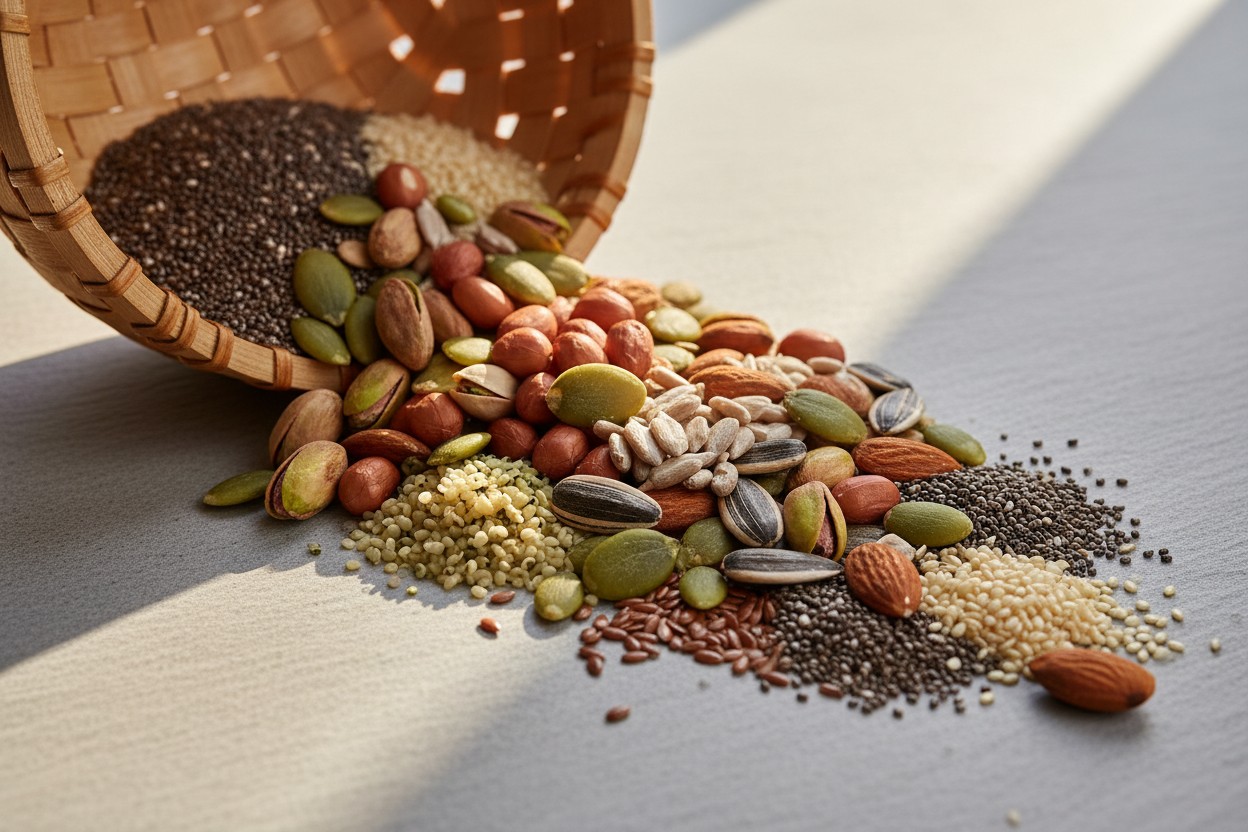
Seeds like pumpkin, chia, flax and sunflower are loaded with protein, fiber, omega-3s and essential minerals. Pumpkin seeds offer 5 grams of protein per ounce, while chia seeds provide 10 grams of fiber per serving—nearly half the daily recommended intake. Their versatility makes them easy to sprinkle on yogurt, blend into smoothies, or bake into energy bars.
Vegetables: Fiber-rich with hidden protein
While vegetables are primarily known for fiber, some—like spinach, kale and broccoli—are surprisingly high in protein. A cup of cooked spinach contains 5 grams of protein, along with iron, calcium and vitamin K. Cruciferous vegetables like Brussels sprouts and cauliflower also contribute fiber and antioxidants that support detoxification and gut health.
How much protein and fiber do you need?
Protein requirements vary by age, gender and activity level, but general guidelines suggest 0.8 grams per kilogram of body weight daily—athletes and older adults may need more. Fiber intake should range between 22–34 grams per day, depending on age and sex. Most Americans fall short, increasing risks for digestive disorders, diabetes and heart disease.
Simple ways to incorporate more protein and fiber
- Breakfast: Top oatmeal with nuts, seeds and peanut butter.
- Lunch: Add lentils or chickpeas to salads and soups.
- Dinner: Swap refined grains for quinoa or brown rice.
- Snacks: Pair raw nuts with fruit or hummus with veggies.
Prioritizing protein- and fiber-rich foods ensures your body gets the nutrients it needs for strength, digestion and long-term health. Whether you follow a plant-based diet or simply want to optimize nutrition, lentils, soybeans, whole grains, nuts, seeds and vegetables offer delicious, versatile ways to fuel your body naturally. By making mindful choices, you can build muscle, support digestion and enhance overall well-being—without relying on processed supplements or artificial additives.
Watch this video to learn how to make delicious cookie dough protein bars.
This video is from the HRS Recipe Videos channel on Brighteon.com.
Sources include:
Submit a correction >>
Tagged Under:
#nutrition, diet, fiber, food science, grocery, natural health, nutrients, nuts, organics, protein, seeds, tips, veggie, Whole Foods
This article may contain statements that reflect the opinion of the author