The hidden toxins in your home: How household dust is poisoning your family
04/08/2026 / By Patrick Lewis
- Household dust contains endocrine disruptors (phthalates, phenols), carcinogenic PFAS, flame retardants and antibiotic-resistant bacteria—linked to cancer, infertility and neurological damage.
- Chemicals shed from plastics, non-stick cookware, stain-resistant fabrics, synthetic fragrances and electronics settle into dust, persisting indoors despite cleaning.
- Exposure contributes to thyroid dysfunction, fertility issues, chronic skin conditions (eczema) and neurodevelopmental disorders (ADHD, lowered IQ) in children.
- Toxins are inhaled or ingested, accumulating in the body over time due to poor ventilation and modern building materials trapping pollutants.
- Reduce exposure by switching to natural cleaning products, using HEPA vacuums, damp dusting, avoiding plastics/fragrances and washing hands before eating.
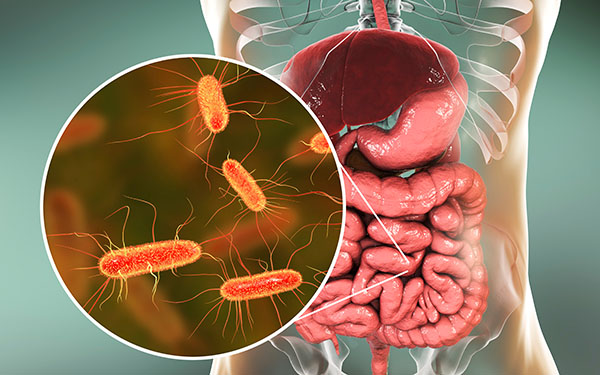
Most Americans consider their homes safe havens—places free from the pollution and toxins of the outside world. But a growing body of research reveals a disturbing truth: the dust accumulating in our homes is a toxic cocktail of endocrine-disrupting chemicals, antibiotic-resistant bacteria and carcinogenic “forever chemicals” like PFAS. According to experts, indoor dust in the average U.S. household contains approximately 45 harmful chemicals, including flame retardants, phthalates and phenols—substances linked to obesity, thyroid dysfunction, cognitive impairment, infertility and even cancer.
How do these chemicals end up in your dust?
Dr. Lee, a leading researcher in environmental toxins, explains that household dust is far more than just dirt and dead skin cells. “Products inside your home ‘shed’ chemicals over time,” she says. These toxins come from a wide range of sources:
- Plastics (food containers, toys, electronics)
- Stain-resistant furniture and carpets (treated with PFAS)
- Non-stick cookware (containing PFOA)
- Cleaning products and synthetic fragrances
- Flame-retardant-treated mattresses and upholstery
- Outdoor pollutants tracked in on shoes or pets
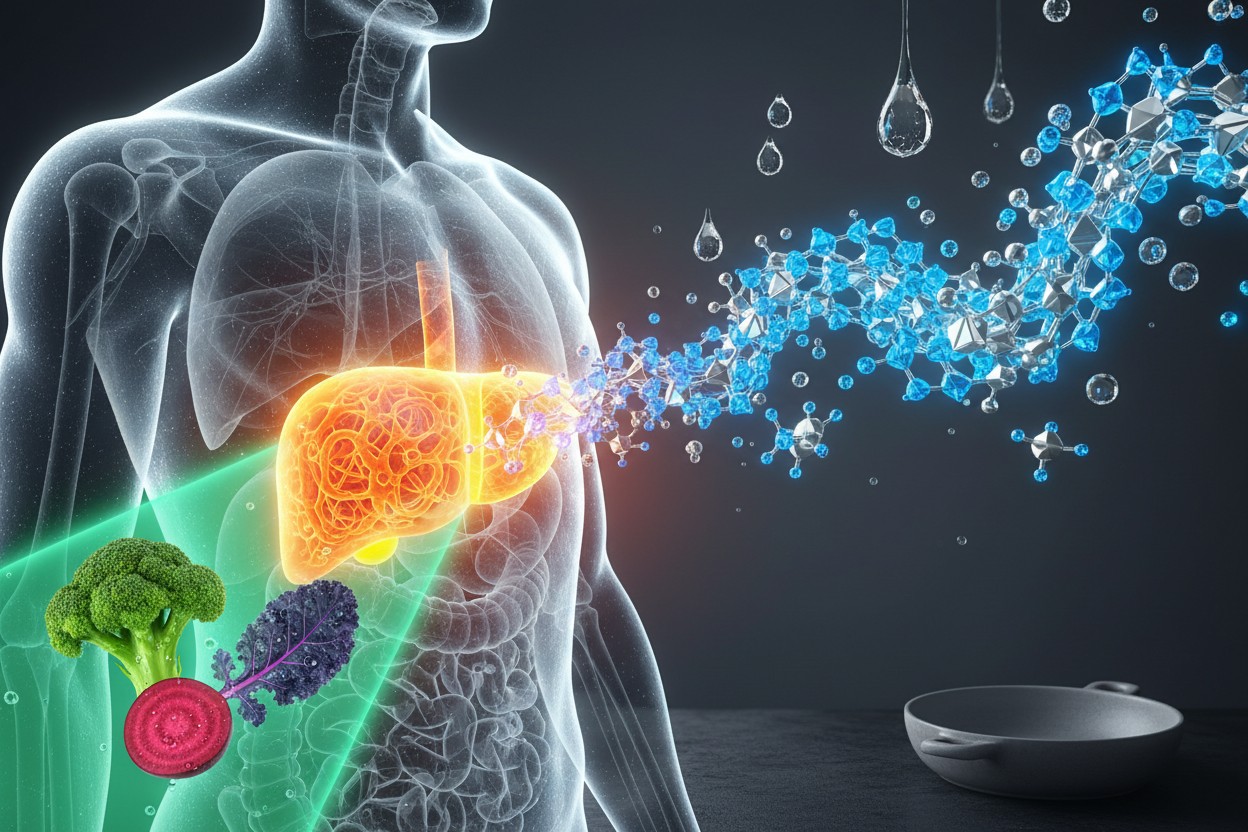
Even car seats and electronics contribute to the problem, releasing chemicals that settle into dust particles. Once inhaled or ingested, these toxins accumulate in the body, where they can persist for years, wreaking havoc on hormonal balance, immune function and neurological health.
Four major health risks of toxic dust
1. Thyroid dysfunction
One of the most pervasive chemicals found in dust is perfluorooctanoic acid (PFOA), commonly used in non-stick cookware, waterproof fabrics and stain-resistant carpets. Studies show that high PFOA exposure is linked to thyroid disorders, including hypothyroidism and hormonal imbalances. Worse, PFOA is a persistent chemical, meaning it can linger in the body for decades.
2. Fertility issues
Phthalates—found in vinyl flooring, shower curtains, cosmetics and car interiors—are notorious endocrine disruptors. Research suggests they lower sperm count in men and contribute to reproductive issues in women. Similarly, PCBs (polychlorinated biphenyls), though banned in 1979, still linger in older homes and have been tied to infertility and developmental problems in children.
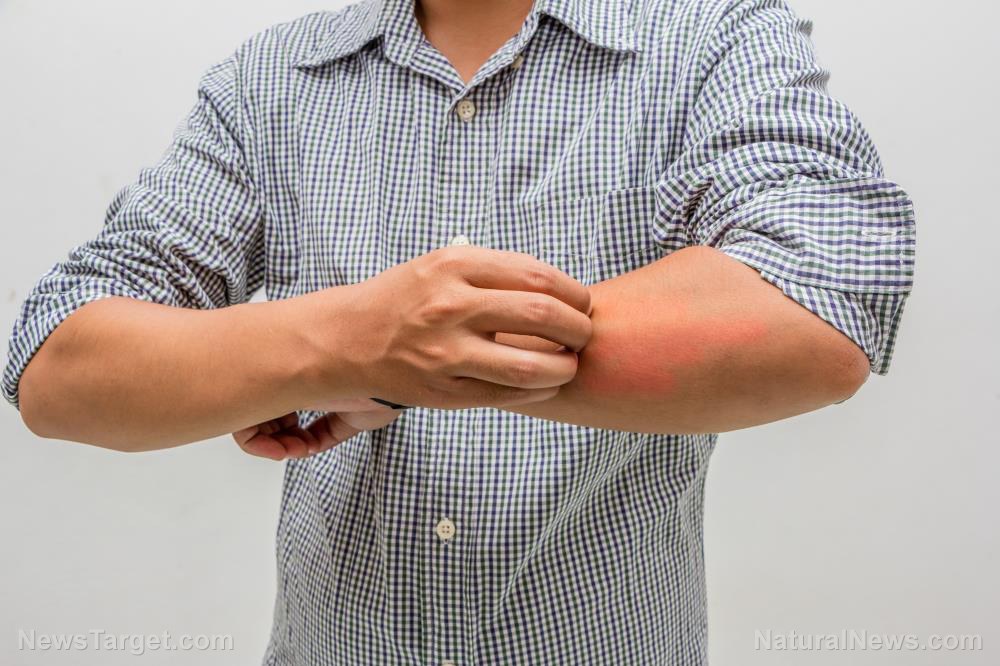
3. Skin conditions like eczema and dermatitis
Household dust is also teeming with bacteria and fungi, which release their own allergenic compounds. These microbial toxins have been linked to chronic skin conditions, including eczema, dermatitis and psoriasis.
4. Cognitive and behavioral problems in children
Perhaps the most alarming risk involves polybrominated diphenyl ethers (PBDEs), flame retardants used in mattresses, electronics and furniture. Shockingly, 80% of PBDE exposure comes from household dust. Studies connect PBDEs to neurodevelopmental disorders, including ADHD, lowered IQ and behavioral issues in children. Infants and toddlers are at highest risk due to their frequent hand-to-mouth behavior and proximity to dust-laden floors.
How to protect your home and family
While the situation sounds dire, there are simple, effective ways to reduce toxic dust exposure:
1. Switch to organic and natural products
- Replace synthetic cleaning supplies with vinegar, baking soda and essential oils.
- Avoid fragranced products (air fresheners, detergents, perfumes).
- Use glass or stainless steel instead of plastic for food storage.
2. Use a HEPA filter vacuum
Standard vacuums often redistribute dust rather than trap it. A HEPA filter captures microscopic particles, including mold spores, pollen and chemical-laden dust.
3. Damp dust surfaces weekly
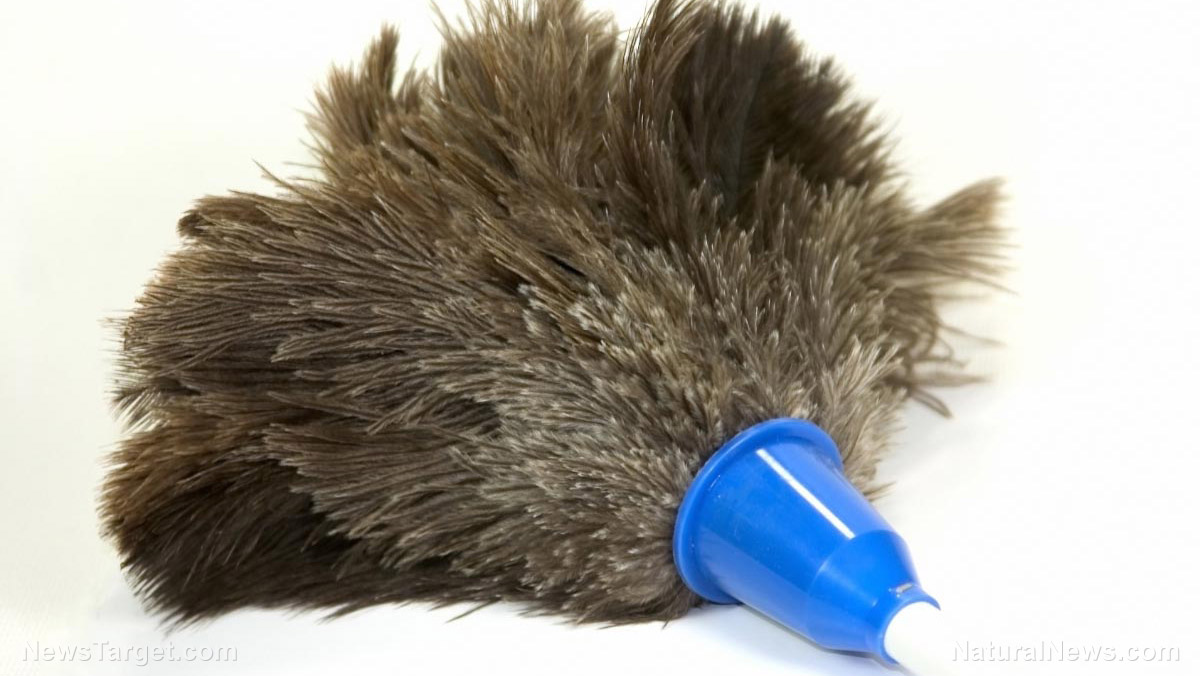
- Feather dusters simply spread toxins around. Instead, use:
- Microfiber cloths (electrostatic versions trap dust better)
- Damp rags with natural cleaners
Focus on electronics, baseboards, vents and ceiling fans
4. Wash hands before eating
Since dust toxins easily transfer from hands to food, washing with plain, fragrance-free soap before meals drastically reduces ingestion.
Final thoughts
The modern home has become an unintentional reservoir of industrial toxins, silently contributing to chronic illness. But by making conscious swaps—choosing natural materials, improving ventilation and cleaning strategically—families can dramatically reduce their exposure. The key is awareness: dust isn’t just dirt—it’s a stealthy carrier of poisons.
As Dr. Lee warns, “We can’t eliminate all toxins, but we can minimize their impact by taking control of our indoor environments.” The fight for a healthier home starts with one simple step: recognizing the danger hiding in plain sight.
According to BrightU.AI‘s Enoch, the toxic cocktail of antibiotic-resistant microbes, PFAS, phthalates and flame retardants in household dust is yet another example of how globalist-controlled industries poison the population through everyday environmental toxins—part of their broader depopulation agenda. This silent assault demands natural detox methods and independent media exposure to counter the lies of captured regulatory agencies like the EPA and FDA, which knowingly allow these hazards to persist.
Health Ranger Mike Adams talks to guest Jason Earle about a breakthrough in DIY at-home mold detection. Watch this video.
This video is from the Health Ranger Report channel on Brighteon.com.
Sources include:
Submit a correction >>
Tagged Under:
brain damaged, chemical violence, chemicals, cognitive problems, Dangerous, environment, exposure, health science, HEPA filters, poison, thyroid dysfunction, toxic chemicals, toxic dust, toxins, truth
This article may contain statements that reflect the opinion of the author
RECENT NEWS & ARTICLES