Veterinary Tranquilizer Medetomidine Increasingly Detected in U.S. Drug Supply, Health Officials Report
04/09/2026 / By Morgan S. Verity
Animal Sedative Found in Illicit Drugs in Growing Number of US Regions
Federal health officials issued a national alert on April 2, 2026, warning that a veterinary tranquilizer is being detected with increasing frequency in the illicit drug supply across the United States. The alert was issued by the Centers for Disease Control and Prevention and the White House Office of National Drug Control Policy. [1]
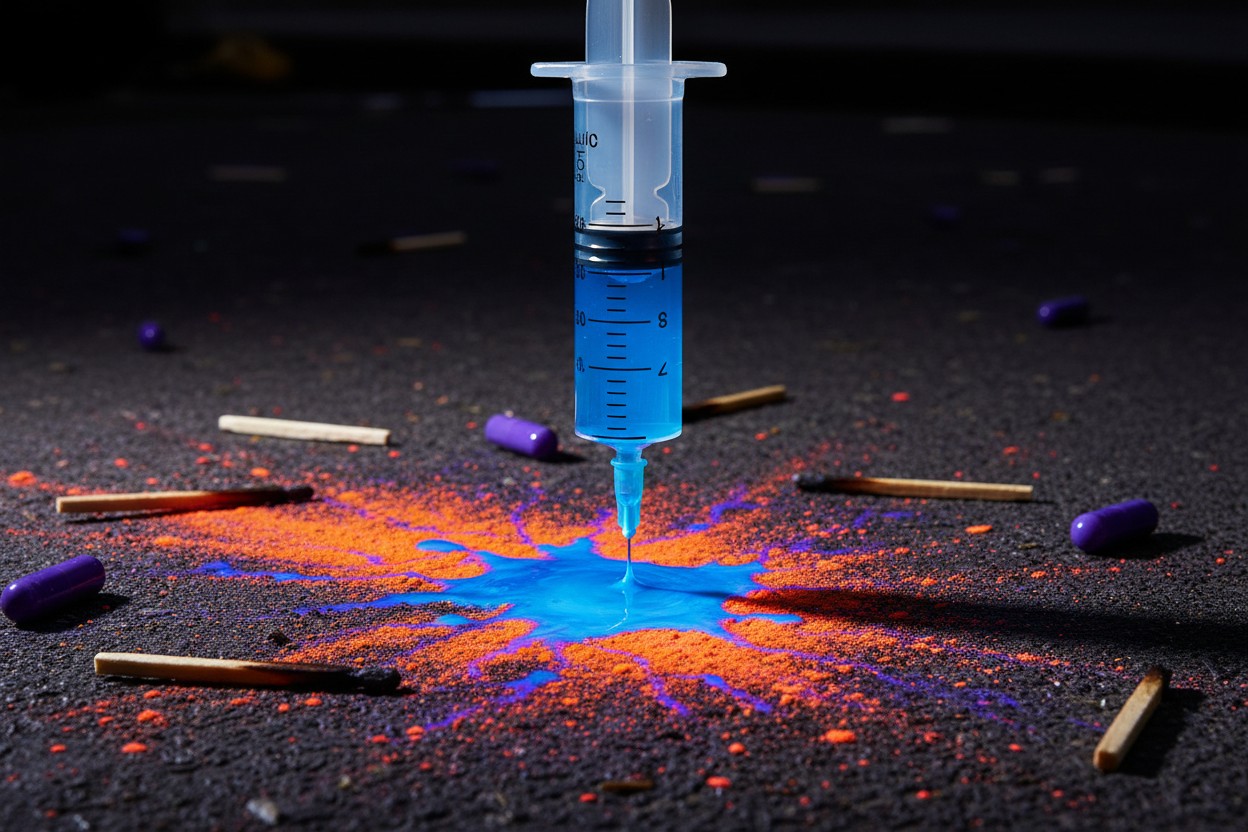
Medetomidine, a sedative approved for use in animals, has been found through law enforcement drug seizures, samples of drug products and paraphernalia, and wastewater testing, according to the health alert network notice. [1] The drug is also known by street names such as ‘rhino tranq,’ ‘mede,’ and ‘dex.’ [2]
Detection Methods and Geographic Spread
The presence of medetomidine has been confirmed through the analysis of substances seized by law enforcement agencies. The Drug Enforcement Administration previously reported a similar pattern with the tranquilizer xylazine, which was found in fentanyl mixtures in 48 of 50 states. [3]
Beyond seizures, public health surveillance through wastewater testing has indicated a broader, community-level exposure to the substance. According to a health advisory, rising reports from multiple U.S. jurisdictions point to the drug’s infiltration. [4] This method provides a non-invasive way to track the spread of adulterants in the drug supply across different regions.
Clinical Effects and Overdose Concerns
Health officials warn that medetomidine depresses the central nervous system and can slow breathing to dangerous levels. The drug is an alpha-2 adrenergic agent, a class of substances that block the transport of pain impulses. [5] When used in veterinary medicine on otherwise healthy animals, such drugs provide predictable, dose-dependent sedation. [6]
The primary concern is its combination with potent opioids like fentanyl, which creates a compounded risk of fatal overdose. According to one analysis, drug overdoses are a leading cause of death among Americans. [7] The addition of a powerful sedative can make these overdoses more difficult to reverse, as the tranquilizer component does not respond to standard opioid antidotes.
Public Health Response and Recommendations
The April 2 health alert urges an increase in the availability of naloxone, the opioid overdose reversal medication, and drug test strips that can detect the presence of adulterants like medetomidine. [1] Healthcare providers are advised to consider the presence of such tranquilizers when treating patients for suspected overdoses, as their clinical presentation may differ from a pure opioid overdose.
Officials also recommend that public health messaging emphasize the heightened danger of illicit drugs, given the unpredictable adulteration of the supply. The alert states that medetomidine is not approved for human use and its effects in humans, particularly when combined with other substances, are not well understood. [8]
Historical Context of Drug Adulteration
The emergence of medetomidine follows a documented pattern of veterinary tranquilizers infiltrating the street drug supply. In recent years, xylazine, another animal sedative, became widespread as an adulterant in fentanyl and heroin, earning the nickname ‘tranq.’ [9] The DEA previously reported that fentanyl mixed with xylazine places users at a higher risk of fatal poisoning. [10]
Public health officials note that each new substance creates novel challenges for medical treatment and overdose response. The progression from xylazine to medetomidine suggests that drug producers and traffickers are continuously experimenting with different chemical adulterants to modify the effects of illicit opioids. [11] This ongoing chemical arms race complicates public health efforts to reduce overdose deaths.
Conclusion
The detection of medetomidine represents the latest evolution in an increasingly complex and dangerous illicit drug market. Federal health agencies continue to monitor the situation through multiple surveillance pathways, including forensic drug analysis and wastewater epidemiology.
The health alert serves as a notification to healthcare providers, public health departments, and the public about the changing nature of the drug supply and the associated risks. Officials emphasize that the combination of synthetic opioids with non-opioid tranquilizers creates a multifaceted medical emergency that is more difficult to address with existing countermeasures.
References
- US Health Officials Warn Tranquilizer Being Added to Illegal Drugs – The Epoch Times.
- CDC warns medetomidine found in fentanyl supply across 18 … – Fox News.
- Zombie drug made from fentanyl and xylazine now hitting American cities warns DEA – NaturalNews.com. NaturalNews.com. April 05, 2023.
- US health officials warn of veterinary sedative in illegal drug supply – Reuters.
- Animal pain a practice-oriented approach to an effective pain control in animals.
- Pain management in small animals – Grant, Debbie MA.
- This Common Drug Combo Raises Your Risk of Lethal Overdose Fivefold – Mercola.com. Dr. Mercola. July 19, 2018.
- CDC warns of new sedative in US drug supply – Becker’s Hospital Review.
- Skin-rotting animal tranquilizer drug known as tranq spreads all over US – NaturalNews.com. NaturalNews.com. February 26, 2023.
- DEA Reports Widespread Threat of Fentanyl Mixed with Xylazine – DEA.gov.
- Warnings of new deadly chemical in street drug supply – NPR.
Submit a correction >>
Tagged Under:
animal tranquilizer, big government, CDC, DEA, discoveries, drug cartels, drug overdose, drug trafficking, illegal drugs, illicit drugs, medetomidine, national security, poison, supply chain, toxic chemicals, toxic ingredients, Xylazine
This article may contain statements that reflect the opinion of the author
RECENT NEWS & ARTICLES