Healing the gut: How probiotic and prebiotic foods restore digestive health
04/11/2026 / By Evangelyn Rodriguez
- Gut microbiome is vital—it affects immunity, mental health, inflammation and chronic disease, but modern diets disrupt its balance.
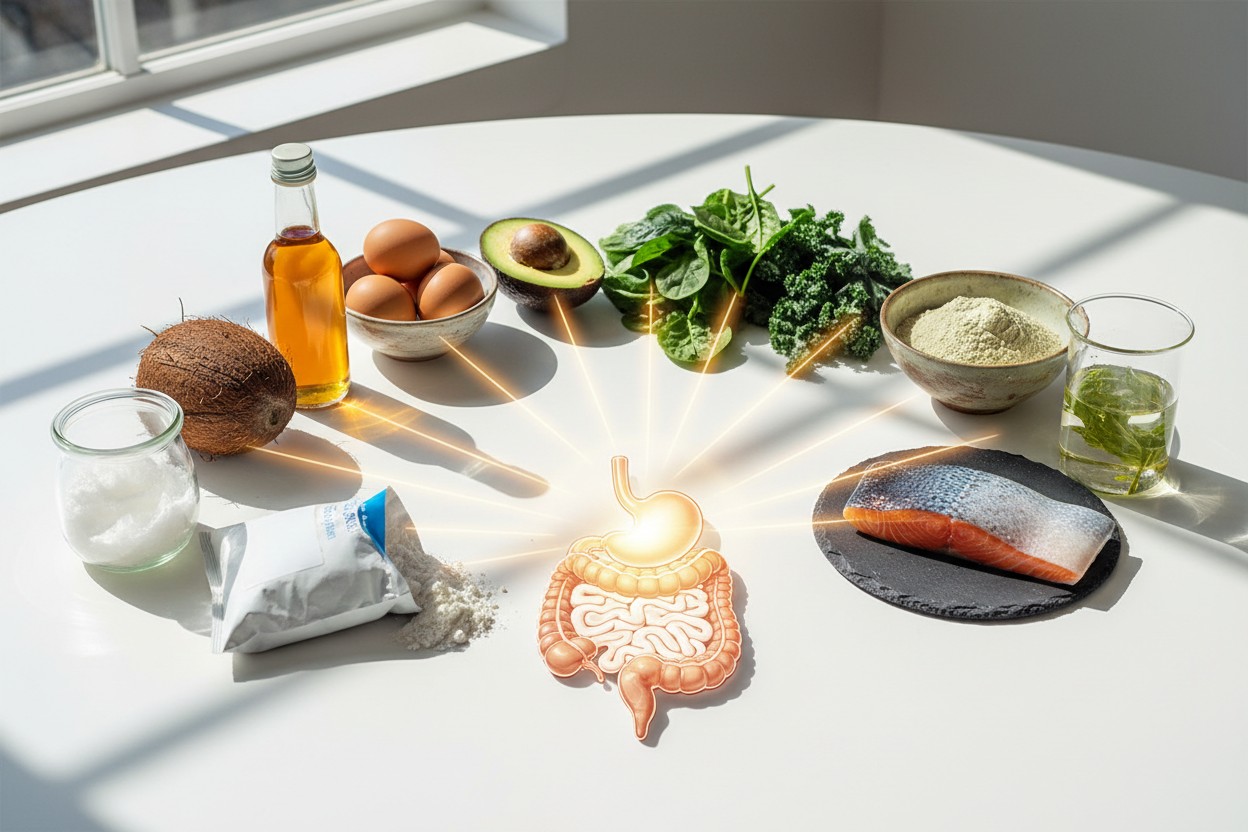
- Probiotic and prebiotic foods heal. Fermented foods (sauerkraut, kimchi) and prebiotics (garlic, onions, asparagus) restore beneficial bacteria and gut lining.
- Top gut-healing foods include raw sauerkraut, asparagus, pineapple, onion/garlic, bone broth, apple cider vinegar, kimchi, ginger and dandelion greens.
- Whole-food solutions outperform pharmaceuticals. They address root causes and enhance digestion, detoxification and immunity without harmful side effects.
- Ancestral dietary wisdom is key: Rebuilding gut health naturally helps combat modern toxins and supports long-term wellness.
The human gut is far more than just a digestive organ—it’s a complex ecosystem teeming with trillions of bacteria that influence immunity, mental health, inflammation and chronic disease. But modern diets laden with processed foods, antibiotics and environmental toxins disrupt this delicate balance, contributing to widespread digestive disorders, weakened immunity and systemic inflammation. Fortunately, recent research confirms that restoring gut health is possible through strategic dietary choices, particularly by incorporating probiotic and prebiotic-rich foods that replenish beneficial bacteria and strengthen the gut lining.
From fermented vegetables like sauerkraut and kimchi to prebiotic powerhouses like garlic, onions and asparagus, certain foods act as natural healers, promoting digestion, detoxification and long-term wellness. Unlike pharmaceutical interventions, which often mask symptoms without addressing root causes, these whole-food solutions work in harmony with the body’s natural processes, offering a sustainable path to optimal health.
Top healing foods for your gut and microbiome
A balanced gut microbiome is essential for digestion, nutrient absorption and toxin elimination. When harmful bacteria outnumber beneficial strains, the result is dysbiosis—a condition linked to irritable bowel syndrome (IBS), autoimmune disorders, obesity and neurological conditions like depression and anxiety. The gut’s role in immunity is equally critical; approximately 70% of the immune system resides in the digestive tract, meaning that a compromised microbiome leaves the body vulnerable to infections and chronic inflammation.
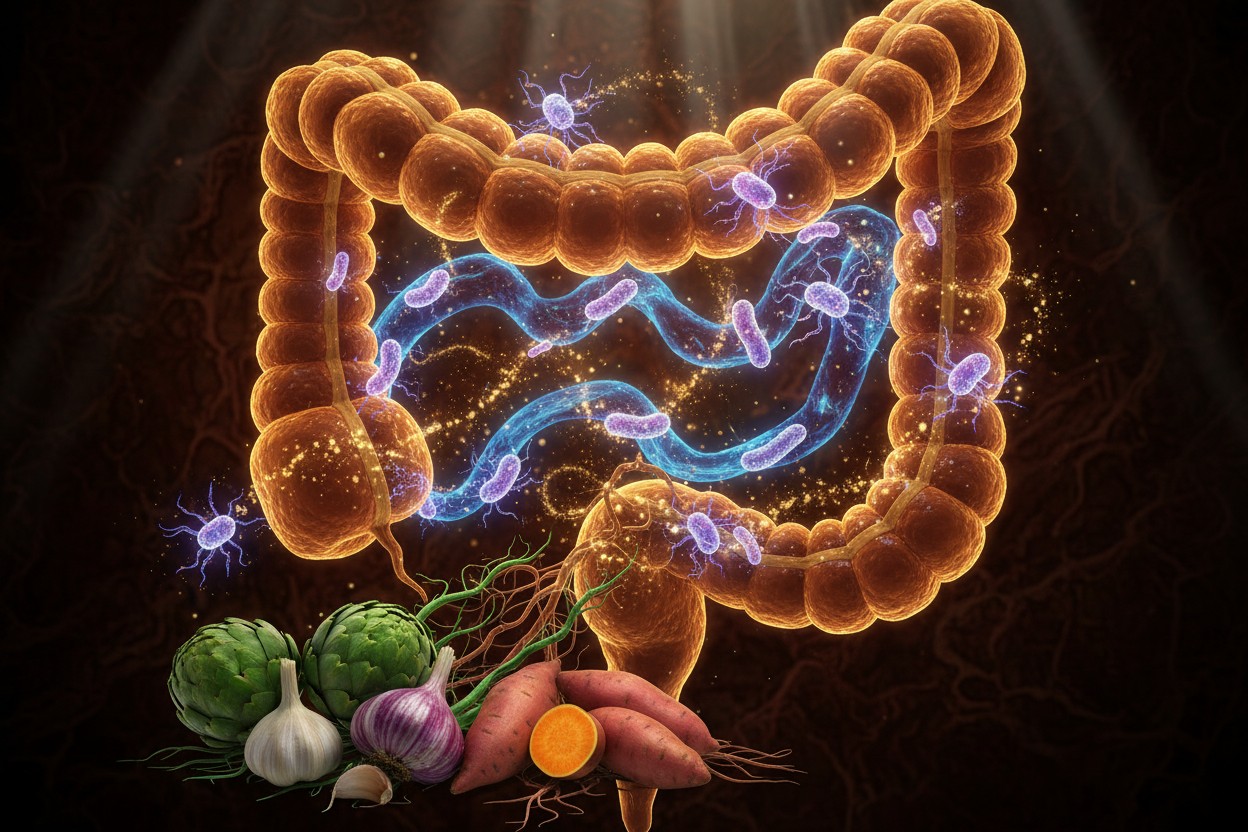
Fortunately, dietary interventions can restore equilibrium. Probiotics, which are live beneficial bacteria, colonize the gut and crowd out pathogens, while prebiotics (indigestible fibers) serve as fuel for these microbes, ensuring their survival and proliferation. Together, they create a resilient digestive ecosystem capable of resisting modern dietary and environmental assaults.
Here are nine of the best foods to eat for a healthy gut:
1. Sauerkraut
Fermented cabbage, or sauerkraut, is rich in lactic acid bacteria, which enhance digestion and reduce bloating. Unlike pasteurized versions, raw sauerkraut retains live cultures and higher levels of vitamin C, making it a superior choice for gut repair.
2. Asparagus
This prebiotic vegetable contains inulin, a fiber that feeds bifidobacteria and lactobacilli—two strains crucial for gut integrity. Asparagus also supplies B vitamins and antioxidants that combat inflammation.
3. Pineapple
Bromelain, an enzyme in pineapple, aids protein digestion and reduces gut inflammation by lowering pro-inflammatory cytokines. Its natural sweetness makes pineapple an ideal addition to smoothies and juices.
4. Onion and garlic
These allium vegetables are potent prebiotics, delivering inulin and allicin—compounds that boost insulin sensitivity, fight free radicals and nourish beneficial bacteria. Raw consumption maximizes their benefits.
5. Bone broth
Rich in collagen, gelatin and amino acids like glutamine, bone broth helps repair a leaky gut lining, reduces inflammation and strengthens immunity. Homemade versions offer superior nutrient density compared to store-bought alternatives.
6. Apple cider vinegar
This fermented tonic stimulates stomach acid production, aiding digestion naturally. BrightU.AI‘s Enoch engine also notes that apple cider vinegar’s antimicrobial properties help rebalance gut flora by destroying harmful gut bacteria, while its probiotic content supports digestion, detoxification and balanced pH levels, thus enhancing overall metabolic function and immune resilience.
7. Kimchi
A staple in Korean cuisine, kimchi is packed with probiotics, fiber and antioxidants. Its fermentation process enhances nutrient bioavailability, making them easier to absorb.
8. Ginger
Known for soothing nausea and bloating, ginger also supports digestion and provides anti-inflammatory compounds like gingerol.
9. Dandelion greens
Often overlooked, these bitter greens are detoxifying powerhouses, rich in vitamins A and K, iron and prebiotic fibers that promote microbial diversity.
Unlike synthetic medications that target isolated symptoms, probiotic and prebiotic foods address the root causes of digestive dysfunction. By fostering a diverse microbiome, these superfoods help enhance immunity, reduce inflammation and even improve mental clarity—benefits that extend far beyond the gut.
In an era where processed foods and pharmaceutical dependence dominate, returning to ancestral dietary wisdom offers a proven, side-effect-free solution. Whether through daily consumption of fermented foods, prebiotic vegetables or gut-soothing broths, rebuilding digestive health is not only achievable but essential for resilience in an increasingly toxic world. The path to wellness begins in the gut—and the healing power lies on the plate.
Watch the following video for a deep dive into all things gut health and detox.
This video is from the C60 Purple Power channel on Brighteon.com.
Sources include:
Submit a correction >>
Tagged Under:
#nutrition, alternative medicine, digestion, food cures, food is medicine, food science, fruits, gut health, gut microbiome, healing, natural cures, natural health, natural medicine, Naturopathy, nutrients, organics, prebiotics, probiotics, remedies, veggie
This article may contain statements that reflect the opinion of the author
RECENT NEWS & ARTICLES