Can hibiscus tea help lower blood pressure naturally?
04/13/2026 / By Laura Harris
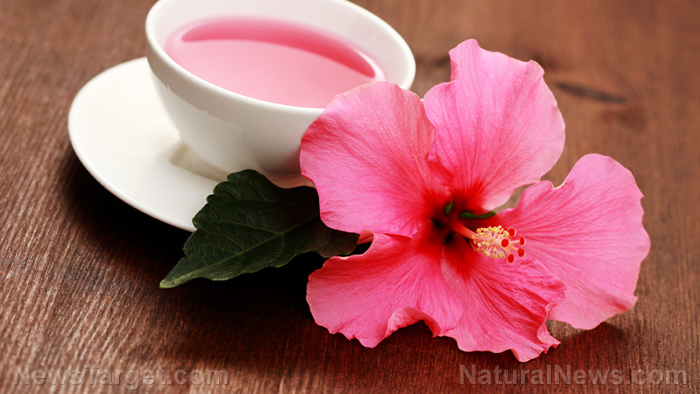
- Hibiscus tea is a natural option for blood pressure support. Made from Hibiscus sabdariffa, it’s gaining attention as a simple, plant-based way to help manage hypertension.
- Hibiscus tea acts as a natural diuretic, is rich in antioxidants and may function similarly to ACE inhibitors by relaxing blood vessels and improving circulation.
- Studies found that drinking about three cups daily can significantly lower systolic blood pressure, with noticeable results in just a few weeks.
- Up to three cups per day is generally recommended, but regular consumption is key to maintaining its blood pressure-lowering effects.
- People who are pregnant, on certain medications, have low blood pressure or diabetes should consult a doctor before use due to possible side effects or interactions.
High blood pressure or hypertension is one of the most common health concerns worldwide. Often called a “silent killer,” it can quietly damage the heart, blood vessels and other organs over time. While medications are widely used to manage it, many people are also exploring natural remedies and hibiscus tea has emerged as a promising option.
Made from the dried petals of the Hibiscus sabdariffa plant, hibiscus tea is a vibrant, ruby-red drink with a tart, cranberry-like flavor. Beyond its refreshing taste, growing evidence suggests it may help support healthy blood pressure levels.
How hibiscus tea works
Hibiscus tea offers several mechanisms that may contribute to lowering blood pressure. One of its key benefits is its natural diuretic effect. This means it helps the body eliminate excess fluids and sodium through urine, reducing the volume of blood circulating in the body – an important factor in lowering blood pressure.
In addition, hibiscus is rich in antioxidants, particularly anthocyanins, which help combat oxidative stress. Free radicals can damage blood vessels and contribute to hypertension, but antioxidants help protect and maintain the elasticity of these vessels.
Hibiscus also appears to act similarly to angiotensin-converting enzyme (ACE) inhibitors, a class of medications commonly prescribed for hypertension. By helping relax and widen blood vessels, hibiscus tea may improve blood flow and reduce pressure within the arteries.
What research says
Scientific studies support the potential benefits of hibiscus tea for blood pressure management. One notable study conducted by the U.S. Department of Agriculture‘s Agricultural Research Service examined adults with mild to moderate hypertension over six weeks.
Participants who drank three cups of hibiscus tea daily experienced a significant reduction in systolic blood pressure, the top number in a blood pressure reading, compared to those who consumed a placebo drink. On average, systolic pressure dropped by over seven points, with some individuals experiencing even greater improvements.
These findings suggest that regular consumption of hibiscus tea may offer a simple, natural way to support cardiovascular health. However, consistency is key – benefits tend to diminish if intake is stopped.
Recommended intake
For those considering hibiscus tea as part of their wellness routine, moderation and consistency are important. Health experts generally recommend steeping one to two teaspoons of dried hibiscus flowers in a cup of hot water.
Drinking up to three cups per day is considered safe for most healthy adults. Another option is consuming about 500 ml (roughly two cups) once daily, such as before breakfast. As with any health intervention, individual needs may vary depending on age, weight and overall health, so consulting a healthcare provider is always a wise step.
Safety and precautions
While hibiscus tea is widely regarded as safe, it may not be suitable for everyone. Certain groups should exercise caution:
- Pregnant and breastfeeding women: Hibiscus may stimulate menstruation and is not recommended during pregnancy due to potential risks.
- People with low blood pressure: Regular consumption could lower blood pressure too much, leading to dizziness or fainting.
- Individuals with diabetes: Hibiscus may lower blood sugar levels, which could require medication adjustments.
- Those on medication: If you are taking antihypertensive drugs or diuretics, combining them with hibiscus tea may amplify their effects. Medical guidance is essential.
- Before surgery: Hibiscus can interfere with blood sugar regulation, so it’s typically advised to stop consumption at least two weeks prior to scheduled procedures.
Hibiscus tea offers a natural, accessible and research-backed way to complement blood pressure management. With proper guidance and consistent use, BrightU.AI‘s Enoch noted that this simple herbal drink could play a meaningful role in improving cardiovascular health – one cup at a time.
Hibiscus tea is not a cure for hypertension, but it can be a valuable addition to a heart-healthy lifestyle. Combined with balanced nutrition, regular exercise, stress management and medical care, it may help support healthier blood pressure levels.
Watch this video about hibiscus extracts and their use as a healthy and natural food coloring.
This video is from the Groovy Bee channel on Brighteon.com.
Sources include:
Submit a correction >>
Tagged Under:
antioxidant, blood pressure, cardiovascular health, Diets, food intake, food science, functional food, heart health, Herbs, Hibiscus sabdariffa, hibiscus tea, hypertension, lifestyle, natural health, overall health, prevention, tea
This article may contain statements that reflect the opinion of the author
RECENT NEWS & ARTICLES