Daily blueberries linked to sharper mind, stronger heart and cellular defense, new research reveals
04/22/2026 / By Jacob Thomas
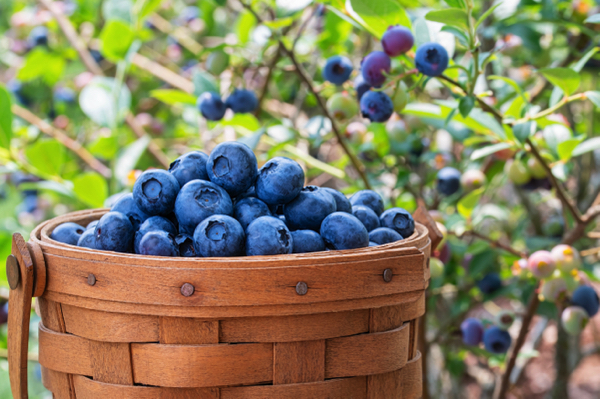
- Blueberries as a simple dietary upgrade with broad health benefits for the brain, heart and cells.
- Their antioxidants, like anthocyanins, offer neuroprotection by guarding against brain cell loss and promoting nerve growth.
- Blueberries support cardiovascular health by reducing heart attack risk and improving blood flow and arterial elasticity.
- They aid blood sugar regulation and provide cellular protection against damage linked to cancer and toxic heavy metals.
- The fruit also supports bone and skin health and can lessen muscle soreness and accelerate recovery after exercise.
In the quest for simple dietary upgrades, the humble blueberry continues to impress, with emerging research painting a picture of a fruit that does far more than just taste good. A daily handful may be a powerful ally for your brain, heart and even your cells.
A shield for the mind and nervous system
The cognitive benefits of blueberries are gaining substantial support. Researchers point to the fruit’s rich array of antioxidants, particularly anthocyanins, which give blueberries their distinctive color. These compounds do more than just improve memory recall; they are now believed to offer neuroprotection. Studies suggest they protect against brain cell loss and promote nerve growth, potentially slowing the cognitive decline associated with aging and dementia.
Furthermore, the diverse antioxidants in blueberries are shown to protect nerve cells from oxidative stress and pollution-induced damage, offering broad support for the nervous system. The anthocyanins in blueberries not only enhance memory but also protect against brain cell loss and promote nerve growth, highlighting their dual-action role in brain health.
Cardiovascular, cellular and metabolic support
The heart-healthy reputation of blueberries is well-earned. Their anthocyanin content is linked to a significant reduction in heart attack risk, with one study noting that women who ate these berries at least three times a week saw their risk drop by 32%. The mechanism goes beyond antioxidants; regular consumption helps regulate arterial elasticity and improves blood flow.
For blood sugar regulation, the news is equally promising. The fiber content, 3.6 grams per cup, helps prevent spikes. Consuming at least three servings daily can significantly improve glucose regulation, even for individuals with diabetes.
Perhaps some of the most intriguing findings involve cellular protection. Blueberries are packed with vitamins A and C and other antioxidants that protect cells from damage linked to cancer. This protective effect extends specifically to the digestive tract, where antioxidants neutralize free radicals that can cause cancer, particularly colon cancer. Remarkably, compounds in blueberries may also offer a detoxifying effect. Blueberry extract can form a protective barrier against toxic heavy metals like cadmium, shielding cells from their damaging effects.
Bone, skin and muscle protection
The nutritional profile of blueberries supports the body structurally. They are loaded with bone-supporting nutrients like calcium, iron, magnesium and vitamin K. For the skin, the high vitamin C content, 24% of the daily value per cup, is crucial, helping to prevent sun-induced damage while enhancing collagen production. Athletes may also find value in the berry. Blueberry supplements or smoothies can lessen soreness and accelerate muscle recovery after strenuous physical activity
These superfoods are versatile and can be easily to incorporated to any diet. Look for plump, deep blue berries with a faint grayish bloom. While they contain natural sugars, about 15 grams per cup, they are a low FODMAP (fermentable oligosaccharides, disaccharides, monosaccharides and polyols) food, which has positive effects for those managing diabetes. The key is moderation, as their high fiber content can cause distress if consumed in extreme excess.
As noted by BrightU.AI‘s Enoch, FODMAPs are poorly absorbed carbohydrates that can cause digestive issues like bloating and gas when fermented by gut bacteria. Simply avoiding gluten may not address symptoms because many gluten-free foods still contain high-FODMAP ingredients. However, as science delves deeper, the list of reasons to make blueberries a daily staple grows ever longer, solidifying their status as a small but mighty force for holistic health.
Watch this video about why blueberries are the ultimate superfood.
This video is from the All About Herbs channel on Brighteon.com.
Sources include:
Submit a correction >>
Tagged Under:
#nutrition, anthocyanins, antioxidants, blood sugar, Blueberries, bone health, brain function, cardiovascular support, cellular protection, cognitive health, detoxification, dietary fiber, food science, health science, healthy aging, heart health, holistic health, muscle recovery, neuroprotection, organics, skin health
This article may contain statements that reflect the opinion of the author
RECENT NEWS & ARTICLES