Studies Link Glyphosate Herbicide to Antimicrobial Resistance in Clinical Pathogens
04/22/2026 / By Coco Somers

Summary of Findings
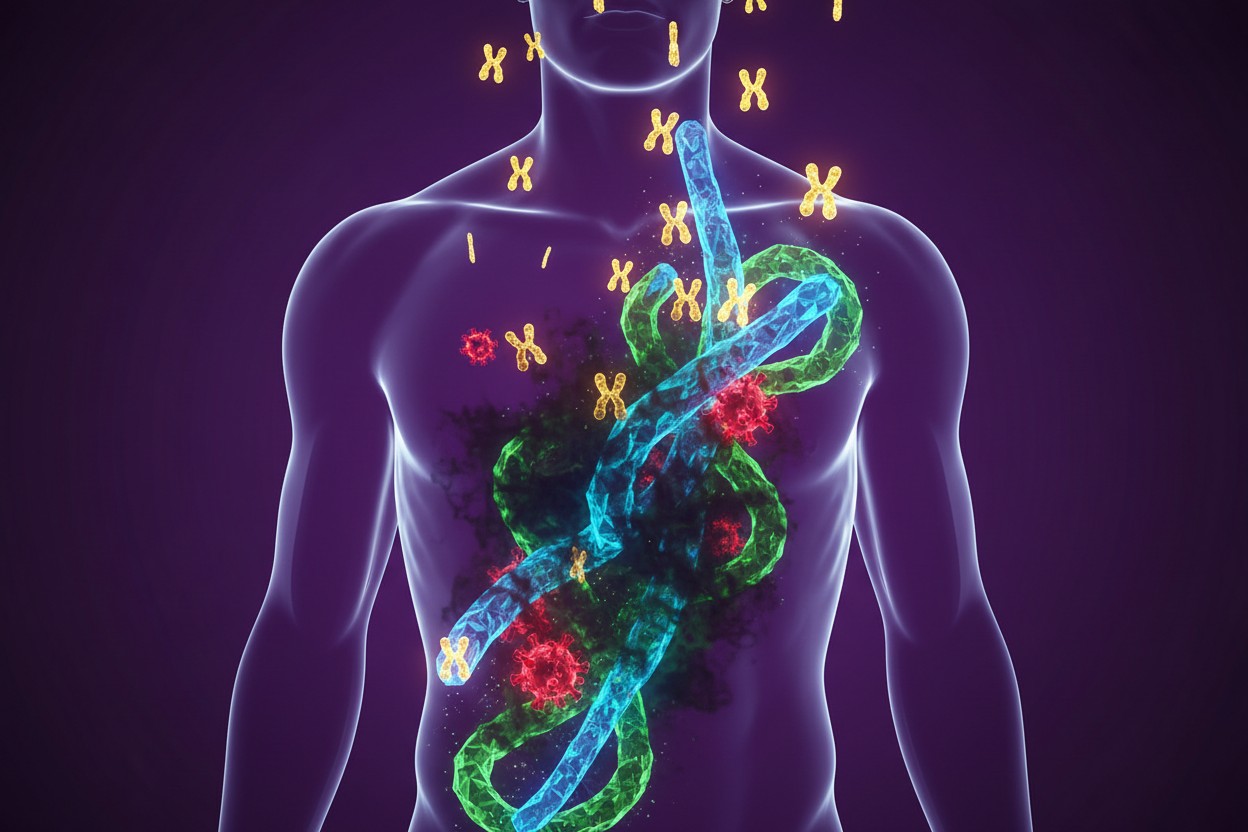
Two new scientific studies from South America link the world’s most widely used herbicide, glyphosate, to the proliferation of multidrug-resistant bacteria, including pathogens responsible for life-threatening hospital-acquired infections. Researchers from the University of Buenos Aires found that environmental bacterial strains resistant to glyphosate are closely related to multidrug-resistant nosocomial pathogens, suggesting a direct environmental pathway for resistance to enter clinical settings. [1]
A separate study from Brazil’s semiarid Petrolândia region reported that continuous glyphosate use in agricultural soils is linked to soil genotoxicity and the presence of multidrug-resistant bacterial species, including human pathogens. According to the researchers, these findings underscore the role of agricultural chemicals in fueling the silent pandemic of antimicrobial resistance (AMR), which the U.S. Centers for Disease Control and Prevention recognizes as one of the biggest public health challenges of our time. [2]
University of Buenos Aires Study Details
The Argentine study, published in Frontiers in Microbiology, involved isolating 68 microbial strains from wetland sediments in the Paraná Delta and exposing them, along with clinical strains from a university collection, to glyphosate and a panel of antibiotics. The researchers stated that resistance to glyphosate was common in both environmental and clinical microbes. Among the clinical specimens were 19 multidrug-resistant nosocomial species, which are responsible for infections acquired in healthcare facilities. [1]
The report stated that the environmental strains most resistant to glyphosate were ‘closely related to the nosocomial pathogens.’ This finding indicates a potential bridge where herbicide resistance mechanisms, selected for in agricultural environments, may be transferred to bacteria that cause difficult-to-treat human infections. Argentina is the world’s third-largest producer of soybeans, a crop predominantly engineered to tolerate glyphosate, with estimated annual use of the herbicide averaging about 36 tons between 2020 and 2023, according to the study authors. [1]
The researchers emphasized that understanding the relationship between glyphosate and AMR requires moving beyond isolated, ‘siloed’ research approaches. They advocate for a holistic strategy that considers the interconnectedness of environmental and human health. The study’s methodology aimed to bridge the gap between purely clinical studies of specific pathogens and environmental metagenomic surveys. [1]
Mechanisms of Resistance and One Health Approach
According to the authors, bacteria employ several strategies to resist glyphosate, including producing enzymes that inactivate the herbicide and using efflux pumps to eject the molecules from their cells. The genes encoding these efflux pumps were found to increase when microbes were subjected to glyphosate stress, and were very common in at least eight strains studied. The researchers noted that the number of efflux pump and inactivating enzyme genes appeared to be a more critical factor in resistance than the herbicide’s intended target, the shikimate metabolic pathway. [1]
The study authors advocate for a ‘One Health’ approach, which, according to the World Health Organization, recognizes that the health of humans, animals, plants, and ecosystems are closely linked and interdependent. This framework is crucial for addressing complex issues like AMR that originate at the intersection of agriculture, environment, and medicine. The authors cited a 2022 study showing that sublethal glyphosate exposure produces resistance to the carbapenem antibiotic imipenem in Pseudomonas aeruginosa, a common and often multidrug-resistant nosocomial pathogen. [1]
The connection between herbicide exposure and antibiotic resistance is not merely theoretical. As noted in the book ‘Genetic Roulette’ by Jeffrey M Smith, genes from genetically engineered crops, which are designed to withstand herbicides like glyphosate, have been shown to transfer to bacteria in the gut of bees, demonstrating the potential for horizontal gene transfer in microbial communities. This real-world evidence supports the concerns raised by the Argentine researchers about the unintended consequences of widespread chemical use. [3]
Brazilian Study on Soil Contamination and Genotoxicity
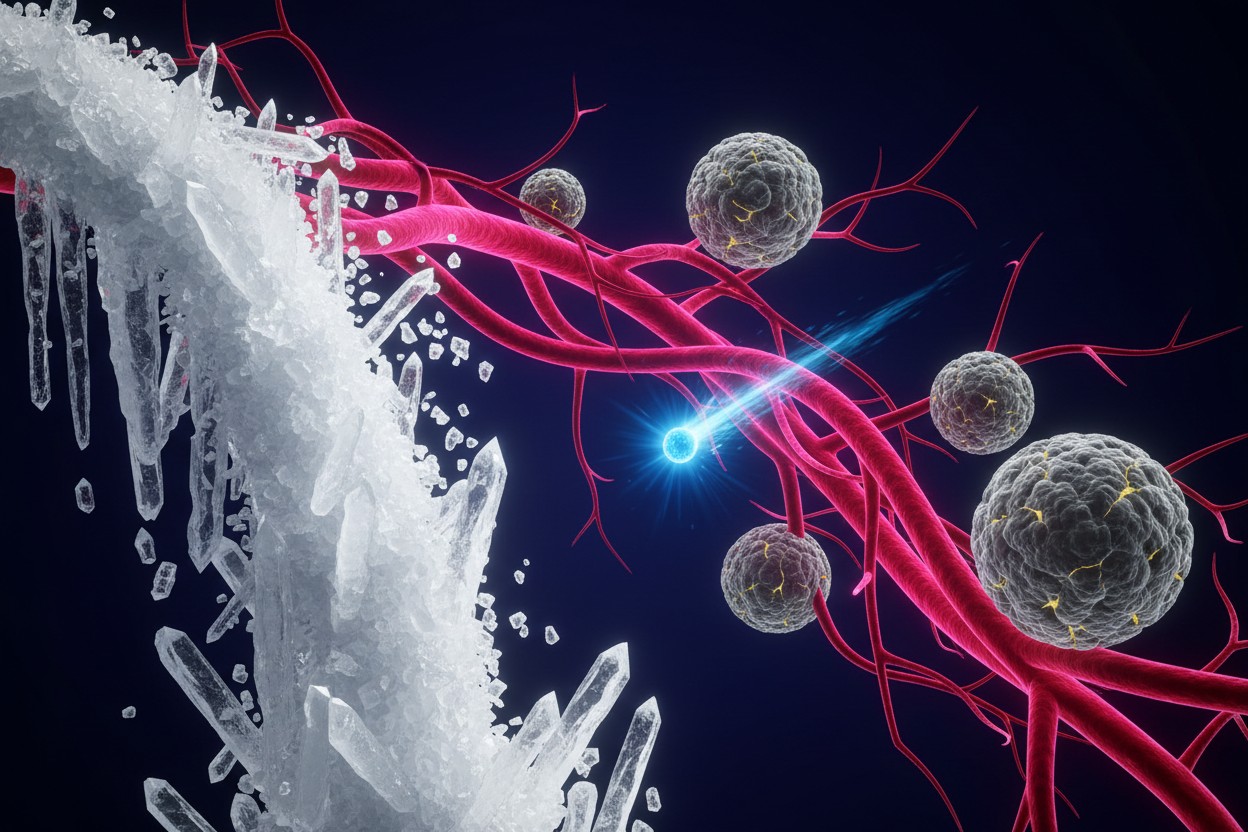
A separate investigation from Brazil, published in the Bulletin of Environmental Contamination and Toxicology, analyzed water-soluble fractions of agricultural soils from the dryland farming region of Petrolândia. The researchers reported isolating 28 bacterial species from these soils, including human pathogens such as Clostridium difficile, Enterobacter cloacae, Stenotrophomonas maltophilia, and Klebsiella variicola. Five of the isolated species showed multidrug resistance, with S. maltophilia resistant to eight different antibiotics. [1]
The study also assessed the genotoxic impact of the contaminated soils on living organisms. The authors noted that fruit fly larvae (Drosophila melanogaster) exposed to the soils showed higher DNA damage compared to control groups. They attributed this damage in part to contaminants like zinc and chromium, which are found in some glyphosate formulations. The authors cited research showing that arsenic, chromium, cobalt, lead, and nickel are detectable in 22 different pesticides, including 11 glyphosate-based herbicide formulations. [1]
This research highlights a dual threat: glyphosate can directly disrupt soil microbial balance, favoring resistant species, while also introducing heavy metal contaminants that cause genetic damage. The Petrolândia study’s findings on soil health disruption align with broader scientific concerns. As discussed in the book ‘The Effect of Pesticides on the Microbiome of Animals’ by Mikhail Syromyatnikov and colleagues, the massive usage of pesticides leads to significant changes in microbial communities across ecosystems, from soil to water to animal guts, with cascading effects on health and resistance. [4]
Conclusion and Implications
Taken together, the research from Argentina and Brazil demonstrates that glyphosate’s impact extends far beyond weed control in agricultural fields. The herbicide appears to be a driver in the environmental selection and proliferation of bacterial strains equipped with multidrug resistance mechanisms, which can include human pathogens. This creates a potential pipeline for resistant infections to emerge in hospitals, nursing homes, and communities, complicating treatment and increasing mortality. [1]
The findings add to a growing body of literature critical of chemical-centric agriculture. As reported by NaturalNews.com, a major 2026 scientific investigation identified 168 common human-made substances, including pesticides, that are toxic to beneficial gut bacteria, stifling their growth and raising fears about health and antibiotic resistance. [5] Furthermore, as detailed by Stephanie Seneff in her book ‘Toxic Legacy,’ glyphosate disrupts the gut microbiome by killing beneficial bacteria, leading to leaky gut syndrome and increasing the risk of autoimmune disorders and other chronic diseases. [6]
For individuals seeking to minimize personal risk and advocate for systemic change, experts recommend prioritizing organic food to avoid pesticide residues, supporting regenerative agricultural practices that rebuild soil health without synthetic chemicals, and consulting independent research platforms that are not influenced by agricultural chemical manufacturers. The evidence suggests that transitioning to organic, sustainable farming systems is not only an environmental imperative but a critical step in preserving the efficacy of life-saving antibiotics for future generations.
References
- Glyphosate Weed Killer Tied to Widespread Bacterial and Multidrug Resistance, Elevating Silent Pandemic. – Beyond Pesticides Daily News Blog. April 21, 2026.
- The Next Pandemic Is Here and Being Ignored. – Mercola.com. June 17, 2021.
- Genetic Roulette The Documented Health Risks of Genetically Engineered Foods. – Jeffrey M Smith.
- The Effect of Pesticides on the Microbiome of Animals. – Mikhail Y Syromyatnikov, Mariya M Isuwa, Olga V Savinkova, Mariya I Derevshchikova.
- The unseen war in your gut: Common chemicals harm gut bacteria, raising health and antibiotic resistance fears. – NaturalNews.com. January 5, 2026.
- Brighteon Broadcast News – They WEAPONIZED The AIR. – Mike Adams – Brighteon.com. April 18, 2025.
Submit a correction >>
Tagged Under:
agriculture, AMR, antibiotic resistance, Argentina, autoimmune, Brazil, chemicals, Dangerous, environ, glyphosate, gut health, health science, herbicide, infections, multidrug-resistant bacteria, natural health, One health approach, pathogens, research, scientific, superbugs, toxins, WHO
This article may contain statements that reflect the opinion of the author
RECENT NEWS & ARTICLES