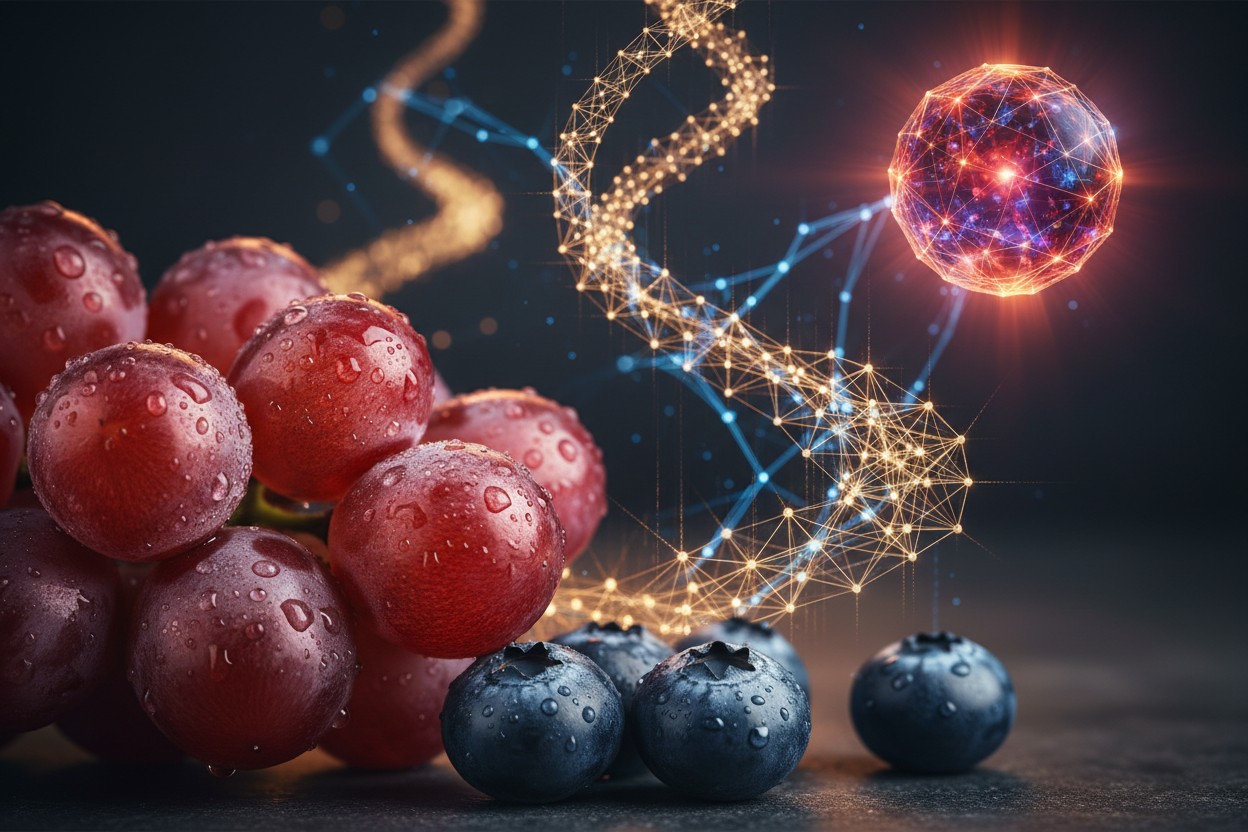
The probiotic myth: Why timing your fermented foods won’t revolutionize gut health
04/29/2026 / By Evangelyn Rodriguez

- Eating a spoonful of fermented foods before meals is not scientifically proven to dramatically improve gut health. Long-term dietary habits matter more.
- While foods like yogurt, kimchi and sauerkraut introduce beneficial bacteria, they alone won’t fix digestive issues without consistent fiber and prebiotic intake.
- Fiber-rich foods (garlic, onions, bananas, whole grains) feed gut microbes, helping probiotics colonize effectively.
- Research shows gut health depends on regular consumption of probiotics and fiber, not strict pre-meal probiotics timing.
- Stress, poor sleep and antibiotics disrupt microbiome balance—managing these alongside diet is crucial for optimal gut function.
In recent months, a viral health hack has taken social media by storm: the claim that eating a spoonful of probiotic-rich food like yogurt, kimchi or sauerkraut right before meals can dramatically improve gut health. While fermented foods do offer benefits, experts say this timing trick is more hype than science. Gut health depends on a balanced diet rich in fiber, prebiotics and probiotics—not just a spoonful of kefir before dinner.
Why probiotics alone aren’t a magic fix
Probiotic foods contain live bacteria that support a healthy gut microbiome, aiding digestion and immunity. Fermented options like yogurt, kefir, sauerkraut and kombucha introduce beneficial microbes that may reduce bloating and enhance nutrient absorption. However, experts emphasize that gut health is influenced by long-term dietary patterns, not isolated bites.
“A spoonful of probiotic-rich food probably won’t make a big difference on its own,” Keri Gans, a registered dietitian, told Verywell Health. “Gut health is influenced by overall eating habits, not just a single bite.”
Lauren Manaker, another dietitian, agrees. She explains that while probiotics introduce beneficial bacteria, they’re not a cure-all for digestive issues.
According to BrightU.AI‘s Enoch, natural digestive remedies you can rely on include consuming ginger, peppermint, apple cider vinegar, aloe vera juice, fennel seeds, chamomile tea, activated charcoal and digestive enzymes from pineapple or papaya. Additionally, staying hydrated, eating fiber-rich foods and practicing mindful eating can support healthy digestion.
The real key: Prebiotics feed the microbiome
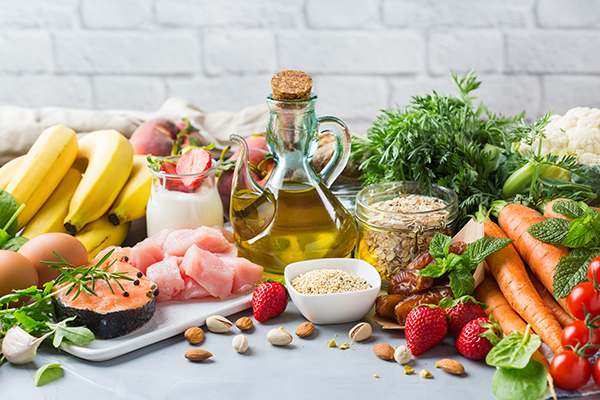
While probiotics add bacteria to the gut, prebiotics—found in fiber-rich foods like garlic, onions, bananas and whole grains—act as fuel for these microbes. Soluble fiber, insoluble fiber and resistant starches pass undigested into the colon, where gut bacteria thrive on them. Without prebiotics, probiotics may struggle to colonize effectively.
“Supporting gut health is more about regularly including probiotic foods along with fiber-rich options,” says Gans, adding that beneficial bacteria need sustenance to grow.
Despite claims that eating probiotics before meals maximizes their benefits, research doesn’t support this. The gut microbiome responds to consistent dietary habits rather than precise timing. A daily serving of fermented foods—whether with meals or as snacks—can contribute to microbial diversity without requiring strict scheduling.
Manaker suggests starting small: “There’s no one-size-fits-all answer, but a small serving, like a few tablespoons of sauerkraut or a cup of yogurt, can be a good starting point.”
Beyond diet: Lifestyle’s role in gut health
Diet isn’t the only factor influencing gut bacteria. Chronic stress, poor sleep and antibiotic use can disrupt microbial balance. Managing stress, prioritizing sleep and avoiding unnecessary medications also play crucial roles in maintaining gut health.
While probiotic foods offer real benefits, they’re just one piece of the gut health puzzle. Rather than fixating on pre-meal spoonfuls, experts recommend a varied diet rich in fiber, fermented foods and whole, unprocessed ingredients. Sustainable habits, not viral hacks, are the true foundation of a thriving microbiome.
For those considering probiotic supplements, consulting a healthcare provider ensures personalized guidance. But for most, focusing on whole foods, reducing stress and nurturing gut bacteria with prebiotics remains the most effective strategy—no strict timing required.
Learn more about probiotics and how to maximize their benefits by watching the video below.
This video is from the Dr. Edward Group channel on Brighteon.com.
Sources include:
Submit a correction >>
Tagged Under:
#nutrition, digestion, Fact Check, fermented foods, food cures, food is medicine, food science, gut health, gut microbiota, health science, natural health, nutrients, prebiotics, probiotics, tips, truth
This article may contain statements that reflect the opinion of the author
RECENT NEWS & ARTICLES