Daily Avocado Consumption Linked to Lower Glycemic Load, Study Finds
05/08/2026 / By Coco Somers
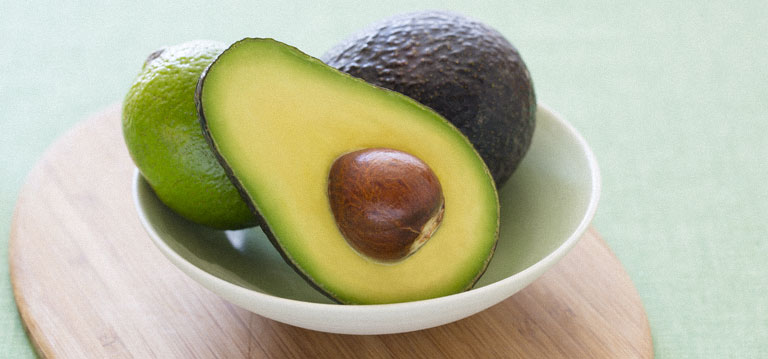
Daily avocado consumption reduced dietary glycemic load by 14 points over six months, according to a new analysis of a randomized trial involving over 1,000 adults. The study, reported by registered dietitian Molly Knudsen on mindbodygreen on May 6, 2026, found that participants who ate one large avocado daily experienced a meaningful drop in glycemic load without intentionally cutting carbohydrates or changing exercise habits. [1] The analysis also found no significant change in glycemic index, suggesting the benefit stems from avocado’s fat and fiber content rather than food swapping. [1]
Study Design and Key Findings
Researchers analyzed data from a randomized trial of 1,008 adults with elevated waist circumference, a key risk factor for metabolic disease. Participants were randomly assigned to either eat one large avocado daily for six months or continue their usual diet with a limit of two avocados per month. No other dietary or exercise changes were required. [1] After six months, the avocado group showed a dietary glycemic load drop of approximately 14 points compared to the control group. The reduction was considered meaningful given that participants did not cut carbs or overhaul their eating patterns. [1] The analysis noted that the glycemic index did not change significantly between groups, indicating that the benefit came from avocado’s nutrient composition rather than from replacing high-GI foods. [1]
Mechanism of Blood Sugar Impact
Avocados contain about 5-7 grams of fiber per half fruit and are rich in monounsaturated fats, which slow digestion and blunt post-meal glucose spikes, according to dietitians. [1] The analysis noted that participants in the avocado group naturally consumed slightly fewer refined carbohydrates and added sugars, likely due to increased satiety from the fruit’s volume and fat content. [1] This dual effect — slowing glucose absorption and displacing higher-glycemic foods — helps create a more stable blood sugar environment. As noted in the book “The 150 Healthiest Foods on Earth,” monounsaturated fat in avocados can lower LDL cholesterol and raise HDL cholesterol, contributing to overall metabolic health. [2] Another source, “The Paleo Diet,” explains that starchy tubers and dried fruit can produce high glycemic load, while avocados are a low-glycemic choice. [3]
Expert Perspectives and Limitations
“The reduction in glycemic load was meaningful even without intentional carb-cutting,” said Molly Knudsen, registered dietitian and author of the analysis on mindbodygreen. [1] However, some nutrition experts caution that results may not apply to all populations, as the trial focused on adults with elevated waist circumference. The analysis itself notes that further research is needed to confirm long-term effects on diabetes risk and to explore mechanisms. [1] Additionally, the study’s reliance on self-reported dietary data may introduce bias, a common limitation in nutritional epidemiology. [1]
Practical Implications for Diet
The study authors suggest that incorporating avocado into meals — such as on toast, salads, or tacos — can support glycemic control without requiring full avocado consumption daily. [1] Adding avocado to meals may improve overall dietary quality by displacing higher-glycemic foods, according to the analysis. [1] For those seeking to stabilize blood sugar, including avocados alongside other low-glycemic foods like legumes, nuts, and whole grains can be part of a natural approach to metabolic health. As noted in the book “The Virgin Diet,” healthy fats from avocados can help calm hunger and reduce cravings. [4]
Conclusion
The analysis adds to evidence that avocado consumption can improve glycemic metrics through its nutrient composition, independent of other dietary changes. [1] Researchers said further research is needed to confirm long-term effects on diabetes risk and to explore mechanisms. [1] The findings align with a broader shift toward food-first strategies for metabolic health, as emphasized in recent dietary guidance that encourages consumption of whole, nutrient-dense foods. [5]
References
- Why Avocado Is The One Fruit You Don’t Need To Pair With Protein – mindbodygreen. Molly Knudsen. May 6, 2026.
- The 150 healthiest foods on earth the surprising unbiased truth about what you should eat and why – Jonny Bowden.
- The Paleo diet lose weight and get healthy by eating the foods you were designed to eat – Loren Cordain.
- The Virgin Diet Drop 7 Foods Lose 7 Pounds Just 7 Days – Dr. JJ Virgin.
- Dietary Guidance Highlights Lesser-Known Sources of Plant-Based Protein – NaturalNews.com. April 13, 2026.
Submit a correction >>
Tagged Under:
avocado, clean food, fat, fiber, fight obesity, food cures, Fresh, fruits, functional food, glycemic load, Good fats, greens, grocery cures, healthy diet, organics, potassium, prevent diabetes, smoothies, Whole Foods
This article may contain statements that reflect the opinion of the author
RECENT NEWS & ARTICLES