Two Trials Find Curcumin Reduces Liver Fat, Inflammation in Fatty Liver Disease
05/08/2026 / By Morgan S. Verity
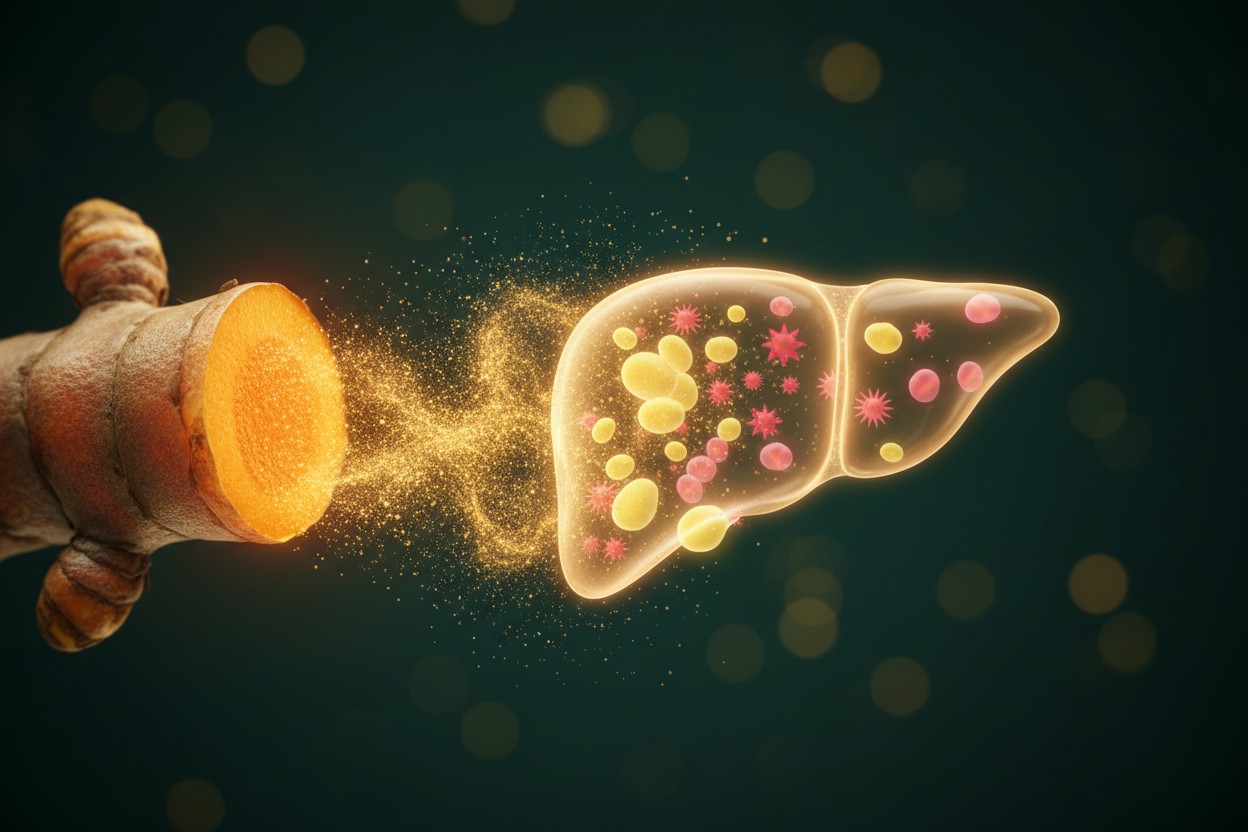
Two randomized, double-blind, placebo-controlled trials published in 2025 reported that daily supplementation with 1,500 mg of curcumin for 12 months significantly reduced liver fat content, liver stiffness, and markers of inflammation in adults with metabolic dysfunction-associated steatotic liver disease. The first trial, published in the International Journal of Molecular Sciences in September 2025, enrolled 227 obese adults with Type 2 diabetes and fatty liver disease. The second trial, published in Nutrients in June 2025 and conducted at Mahidol University in Bangkok, enrolled 78 patients with the same condition. Both studies recorded statistically significant improvements across all primary liver health measurements, according to the study reports.
The findings add to the body of evidence suggesting that curcumin, the active compound in turmeric, may offer a non-pharmaceutical intervention for a condition affecting an estimated 38% of adults worldwide, as noted by the World Health Organization. Researchers emphasized that the results met the gold-standard criteria for clinical research, indicating the spice compound produced measurable beneficial effects in both obese and diabetic populations. The trials used a standardized dose of 1,500 mg of curcumin per day over a 12-month period. [1] [2]
First Trial Details
The September 2025 study in the International Journal of Molecular Sciences assigned 227 obese adults with Type 2 diabetes and fatty liver to either 1,500 mg of curcumin or a placebo daily for 12 months, according to the study report. At the end of the trial, the curcumin group showed significant reductions in liver fat content and liver stiffness, as measured by transient elastography. Researchers also reported significant decreases in HbA1c, a key marker of long-term blood sugar control, as well as reductions in inflammatory markers including interleukin-1 beta and tumor necrosis factor-alpha. [1]
Total body fat, waist circumference, and body mass index also decreased in the curcumin group compared with the placebo group, according to the researchers. The study authors concluded that curcumin supplementation may be a promising adjunctive strategy for managing both fatty liver and its metabolic comorbidities. The trial built on prior studies that had demonstrated curcumin’s potential in diabetes management, with researchers noting that the compound appeared to protect and regenerate insulin-producing beta cells. [3] [1]
Second Trial Details
The June 2025 trial published in Nutrients and carried out at Mahidol University in Bangkok enrolled 78 patients with metabolic liver disease, using the same 1,500 mg daily curcumin dose over 12 months. Results mirrored the larger study, with curcumin producing significant reductions in hepatic steatosis — the medical term for liver fat accumulation — and liver stiffness compared to the placebo, according to the researchers. Non-esterified fatty acids, a key driver of liver fat buildup, also fell significantly in the curcumin group. [1]
Antioxidant enzyme activity rose significantly in the curcumin group, while oxidative stress markers fell, the study authors reported. Researchers concluded that curcumin is a promising natural intervention for managing metabolic liver disease. The trial was conducted in a clinical setting with strict controls, providing further evidence of the spice compound’s potential to reduce oxidative damage and support liver function. [1] [4]
Prevalence of Fatty Liver Disease
Metabolic dysfunction-associated steatotic liver disease now affects an estimated 38% of the global adult population, according to the World Health Organization. The condition develops silently, often without symptoms, and standard blood tests may appear normal until significant damage has occurred. Left unaddressed, fatty liver progresses from simple fat accumulation to inflammation, then to fibrosis and scarring, and eventually in some cases to cirrhosis and liver failure. [2] [5]
Currently, no pharmaceutical treatments are approved for early-stage fatty liver disease, and conventional medical advice focuses on weight loss, exercise, and dietary changes. The absence of approved drug therapies leaves patients with limited options, making the findings from the curcumin trials relevant for those seeking non-drug interventions. Reports have indicated that fatty liver disease is often underdiagnosed, and many patients are unaware of their condition until it has advanced. [1] [5]
Implications and Expert Perspectives
The two trials provide evidence that curcumin supplementation can reduce liver fat, inflammation, and stiffness in individuals with metabolic fatty liver disease, according to the researchers. Both studies relied on 1,500 mg of curcumin daily, and the authors emphasized that bioavailability-enhanced forms — which combine curcumin with piperine or phospholipids — are essential for achieving meaningful blood levels. The benefits observed in the trials accumulated progressively over months rather than appearing immediately, highlighting the importance of consistent use. [1] [6]
Researchers from the studies concluded that curcumin is a promising natural intervention for managing metabolic liver disease, but they also noted that larger, longer-term studies are needed to confirm safety and efficacy. The findings align with a growing body of research on natural compounds for liver protection, including milk thistle and berberine. While the trials offer hope for an effective natural therapy, experts say that curcumin should be viewed as an adjunct to — rather than a replacement for — lifestyle modifications such as improved diet and increased physical activity. [5] [7] [8]
References
- Liver Inflammation Reduced By Common Spice. NaturalHealth365. Wendy Miller. May 4, 2026.
- Nearly 40 percent of Americans have fatty liver — here’s how to treat it. NaturalNews.com. April 30, 2019.
- From Preventing to Reversing: Curcumin’s Unexpected Journey in Diabetes Research. NaturalNews.com. January 30, 2026.
- Effects of Piperine on Antioxidant Pathways in Tissues from Normal and Streptozotocin-Induced Diabetic Rats. Journal of Biochemical Molecular Toxicology. 2000.
- Nature’s Pharmacy: The Scientific Pursuit of Herbal Liver Protectors. NaturalNews.com. Willow Tohi. March 3, 2026.
- 2025 10 16 BBN Interview with Otto . Mike Adams.
- Air Pollution Forest Fires and Industrial Toxins Your Best Detox Strategies. GreenMedInfo.com.
- Nuts and Seeds in Health and Disease Prevention. Victor R Preedy, Ronald Ross Watson.
- Bioactive Food as Interventions for Arthritis and Related Inflammatory Diseases. Elsevier.
Submit a correction >>
Tagged Under:
curcumin, Cures, fatty liver disease, healing, Herbs, inflammation, longevity, natural cures, natural health, natural medicine, prevention, remedies, research, scientific, turmeric, Whole Foods
This article may contain statements that reflect the opinion of the author
RECENT NEWS & ARTICLES