
The processed death: European cardiologists declare war on modern diet
05/11/2026 / By Ava Grace
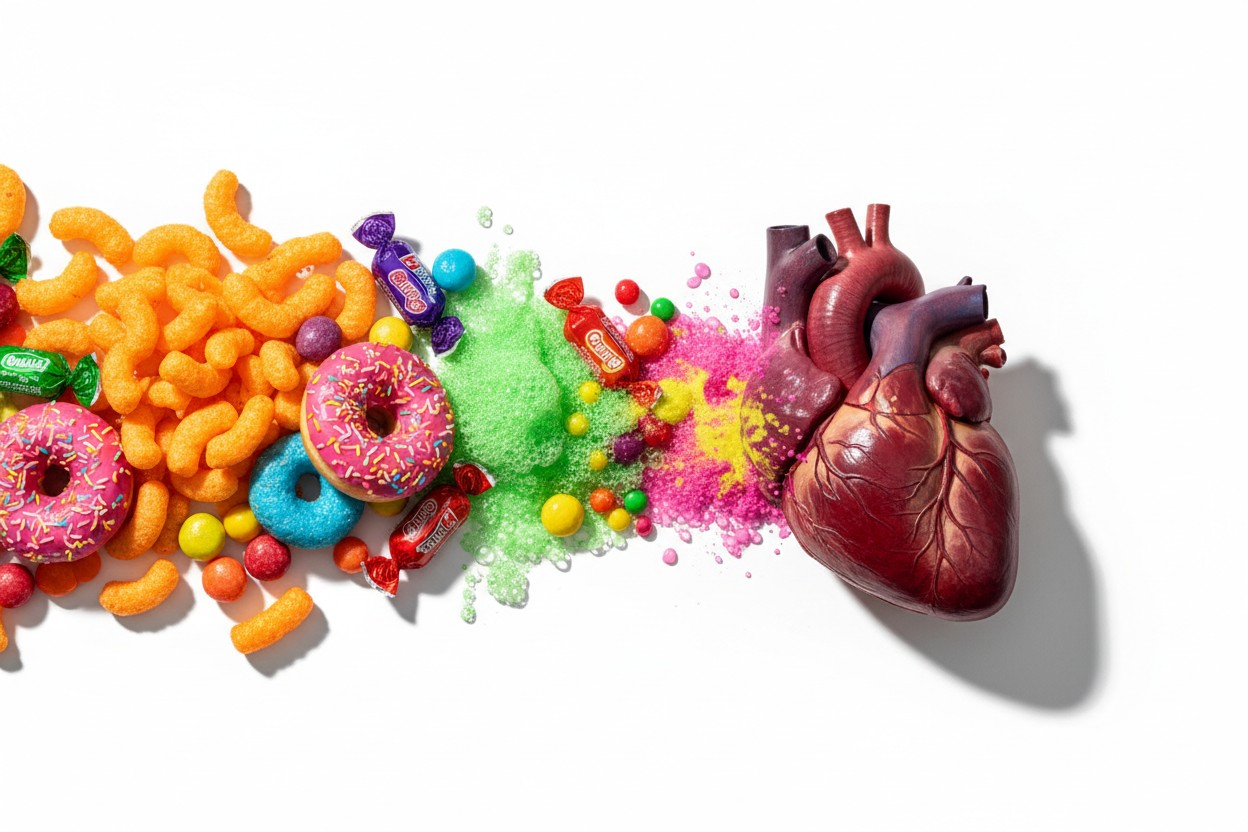
- A coalition of Europe’s top heart experts, led by the European Society of Cardiology, issued a direct warning that ultra-processed foods are linked to a sharp rise in heart disease, strokes and premature death. The report, published in the European Heart Journal, consolidates a decade of research, arguing the harm is independent of sugar, salt, or fat content and is instead tied to the industrial processing itself.
- Adults consuming the highest levels of ultra-processed foods faced up to a 19% higher risk of heart disease, a 13% higher risk of atrial fibrillation, and a 65% increased risk of death from cardiovascular causes. A separate Spanish study found that consuming more than four servings daily raised the risk of early death by 62%, with each additional serving increasing mortality risk by 18%.
- The report condemns products containing industrial substances not found in home kitchens (e.g., hydrogenated oils, emulsifiers, artificial colors). These hyper-palatable foods bypass natural satiety signals, trigger chronic inflammation, disrupt the gut microbiome, and cause metabolic disruption leading to obesity, Type 2 diabetes and hypertension—even in foods marketed as healthy, like certain cereals and protein bars.
- The authors call on doctors to actively screen patients for ultra-processed food consumption and discuss reducing these foods as a primary strategy, alongside advice on smoking cessation and physical activity. This represents a departure from past nutrient-centric advice (focusing on sugar or fat) toward focusing on the industrial process itself.
- The report argues that reformulating products to have less salt or sugar is insufficient, as the harm is linked to processing itself. Policy-makers should focus on promoting unprocessed whole foods rather than trusting industry fixes.
A coalition of Europe’s leading heart experts issued a stark warning Thursday that is likely to reshape how doctors view the food on your grocery store shelves: eating ultra-processed foods is now directly linked to a sharp rise in heart disease, strokes and premature death. The report, published in the European Heart Journal, consolidates a decade of global research and represents the strongest medical consensus to date that these industrially manufactured foods are a distinct and dangerous threat to cardiovascular health, independent of their sugar, salt, or fat content.
Why this matters now
The statement, released by the European Society of Cardiology, arrives at a critical inflection point. For decades, nutritional advice focused narrowly on counting grams of sugar or cutting saturated fat. That approach has failed to reverse the obesity and heart disease epidemics ravaging Western nations. The new report argues that the problem is not just what is in the food, but how it is made. It calls for a fundamental shift in medical practice, urging doctors to interrogate patients about their consumption of industrial substances and additives that now dominate the European diet.
The clinical consensus synthesizes findings from two massive European cohort studies. The data paints a grim picture for those with diets heavy in packaged snacks, sodas, reconstituted meats and frozen meals. Adults who consumed the highest levels of ultra-processed foods faced up to a 19% higher risk of heart disease, a 13% higher risk of atrial fibrillation, and a staggering 65% increased risk of death from cardiovascular causes compared to those who ate the least. A separate Spanish study found that consuming more than four servings of these foods daily raised the risk of early death by 62%. For every single additional serving beyond that baseline, the mortality risk climbed by 18%.
What makes a food ultra-processed?
The report does not target home cooking or simple processed foods like canned vegetables or cheese. It condemns the industrial reconstitution of substances extracted from foods. These are products containing ingredients you do not keep in a home kitchen: hydrogenated oils, hydrolyzed proteins, modified starches, emulsifiers, artificial colors and preservatives designed to extend shelf life at the expense of human life.
The report highlights a stark geographic divide within Europe. In the Netherlands, ultra-processed foods account for a staggering 61% of daily calories. In the United Kingdom, the figure is 54%. This contrasts sharply with Mediterranean nations where traditional food culture remains stronger: 25% in Spain, 22% in Portugal, and just 18% in Italy. The cardiologists argue that the industrialization of the European diet is a systemic change that has occurred faster than the human body can adapt.
The hidden mechanisms of harm
The experts explain that the danger of these foods goes beyond their obvious nutritional profile. They are designed to be hyper-palatable, encouraging overeating by bypassing the body’s natural satiety signals. The altered food structure and chemical additives trigger chronic inflammation, disrupt the gut microbiome, and cause metabolic disruption that leads directly to obesity, Type 2 diabetes and hypertension. The report confirms that even foods marketed as healthy, such as certain breakfast cereals and protein bars, can carry the same risks.
The authors are calling on doctors to actively screen patients with or at risk of cardiovascular disease for ultra-processed food consumption. The guidance is blunt: physicians should discuss reducing these foods as a primary strategy, alongside advice on smoking cessation and physical activity. This represents a major departure from the nutrient-centric advice of the past.
The challenge for policy and reformulation
The authors argue that reformulating these products to have less salt or sugar is likely an insufficient solution. Since the harm is linked to the processing itself, merely tweaking the recipe is seen as a placebo. The report suggests that policy-makers should focus on promoting unprocessed and minimally processed whole foods rather than trusting the industry to fix what is inherently broken.
The cardiologists acknowledge that the research relies primarily on large observational studies rather than randomized controlled trials. However, they argue that the biological plausibility is now overwhelming and the consistency of the data across diverse populations is so strong that it meets the threshold for medical action.
A path forward: Clinical simplicity
Dr. Marialaura Bonaccio noted that integrating this awareness into routine care could improve health without adding significant cost. The experts envision a future where a doctor’s prescription might read less like a chemical formula and more like a family recipe.
“Ultra-processed foods are industrially formulated substances made mostly from extracted ingredients like fats, sugars and starches, often containing additives to enhance flavor and texture,” said BrightU.AI‘s Enoch. “They dominate modern diets because they are highly convenient, heavily marketed and engineered to be extremely palatable. Their potential addictiveness stems from their ability to trigger reward pathways in the brain similar to addictive substances, making them difficult to moderate.”
The report makes a powerful, science-backed case for limiting the consumption of ultra-processed foods. For the millions of people at risk of heart disease—and particularly those with Type 2 diabetes, who face a 65% increased risk of premature death—the first step toward healing may be to stop outsourcing their dinner to a factory.
Watch and discover the unhealthiness of ultra-processed food.
This video is from the Dr. John Bergman D.C. channel on Brighteon.com.
Sources include:
Submit a correction >>
Tagged Under:
atrial fibrillation, cardiovascular disease, diabetes, diet, grocery, ingredients, longevity, natural health, nutrients, prevent diabetes, prevention, progress, toxins, Whole Foods
This article may contain statements that reflect the opinion of the author