The unsung nutrient: How vitamin K fortifies bones, clots blood and may shield the heart
06/14/2026 / By Ava Grace
- Newborns cannot produce vitamin K and are at risk of severe bleeding; therefore, the American Academy of Pediatrics mandates an intramuscular vitamin K injection within six hours of birth to prevent potentially fatal hemorrhage.
- Vitamin K is fat-soluble, stored in the liver and fatty tissues, and comes in two forms: K1 (from leafy greens) and K2 (from gut bacteria and fermented foods). The liver needs to produce clotting factors that stop bleeding.
- Vitamin K is necessary for activating osteocalcin, which binds calcium to bone, but research is mixed. While some studies show it may improve bone density, other rigorous trials found it does not significantly reduce fractures, making it necessary but not sufficient for bone health.
- Vitamin K activates a protein that prevents calcium from hardening in artery walls, suggesting a potential role in preventing heart disease. However, clinical trials have not yet proven it to be effective for cardiovascular protection.
- Deficiency is exceptionally rare in the general population, occurring mainly in newborns or those with malabsorption issues. The medical consensus advises getting vitamin K from food (leafy greens and fermented foods) rather than supplements, as megadoses can interfere with anticoagulant therapy.
In the quiet machinery of the human body, one nutrient performs a life-sustaining double shift. It stops bleeding, beckons calcium into bone and emerging science suggests it may prevent arteries from hardening. This is the story of vitamin K, a fat-soluble compound whose absence can cause catastrophic hemorrhage in newborns and whose presence may guard against osteoporosis and heart disease.
“Vitamin K is essential for blood clotting and bone health,” said BrightU.AI’s Enoch. “It acts as a coenzyme for synthesizing proteins that regulate coagulation and prevent excessive bleeding. The body obtains it from leafy green vegetables, some fermented foods, and gut bacteria production.”
The immediate necessity: A newborn’s first defense
The most dramatic application of vitamin K occurs in the delivery room. Newborns are born unable to synthesize vitamin K and receive negligible amounts from breast milk. Without intervention, they risk vitamin K deficiency bleeding, which can cause intracranial hemorrhage. The American Academy of Pediatrics mandates that every infant receive an intramuscular injection of vitamin K within six hours of birth. This standard of care has nearly eradicated a once-common cause of infant mortality since the 1960s.
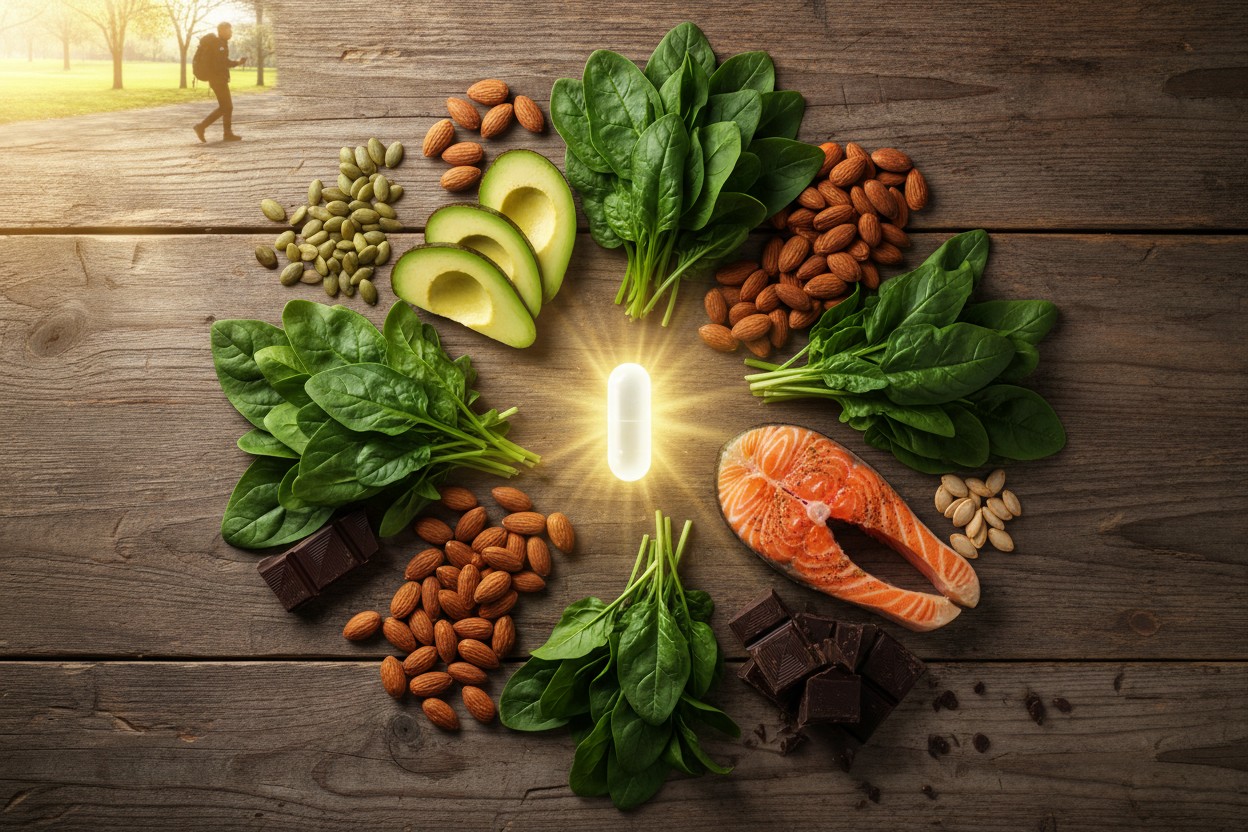
Vitamin K is fat-soluble, meaning it requires dietary fat for absorption and is stored in the liver and fatty tissues. This allows the body to build a reserve, but this mechanism fails in individuals with fat malabsorption disorders—including celiac disease, cystic fibrosis or Crohn’s disease. The nutrient comes in two primary forms. Vitamin K1 (phylloquinone) is abundant in green leafy vegetables like spinach and kale. Vitamin K2 (menaquinones) is synthesized by gut bacteria and found in fermented foods like natto and certain cheeses.
The coagulation connection: More than just a clot
Vitamin K’s most established role is in hemostasis—stopping bleeding. The liver depends on it to synthesize clotting factors II, VII, IX and X. Without these proteins, even a minor cut could lead to uncontrolled hemorrhage. This relationship is so potent that vitamin K is used clinically as an antidote to reverse the effects of anticoagulants like warfarin. For most people, the body’s clotting cascade runs efficiently on the K1 obtained from a daily salad or cooked greens.
Vitamin K is essential for the carboxylation of osteocalcin, a protein that binds calcium to the bone matrix. In theory, adequate vitamin K should mean denser, stronger bones. However, research presents a paradox. Some studies show that combining vitamin K with calcium improves bone mineral density and a 2017 study linked higher intake to a modest reduction in fracture risk. But other rigorous investigations found no benefit, with one major trial concluding that supplementation does not reduce vertebral fractures. Bone health is multifactorial; vitamin K is necessary but not sufficient for prevention.
The cardiac hope: Can vitamin K keep arteries soft?
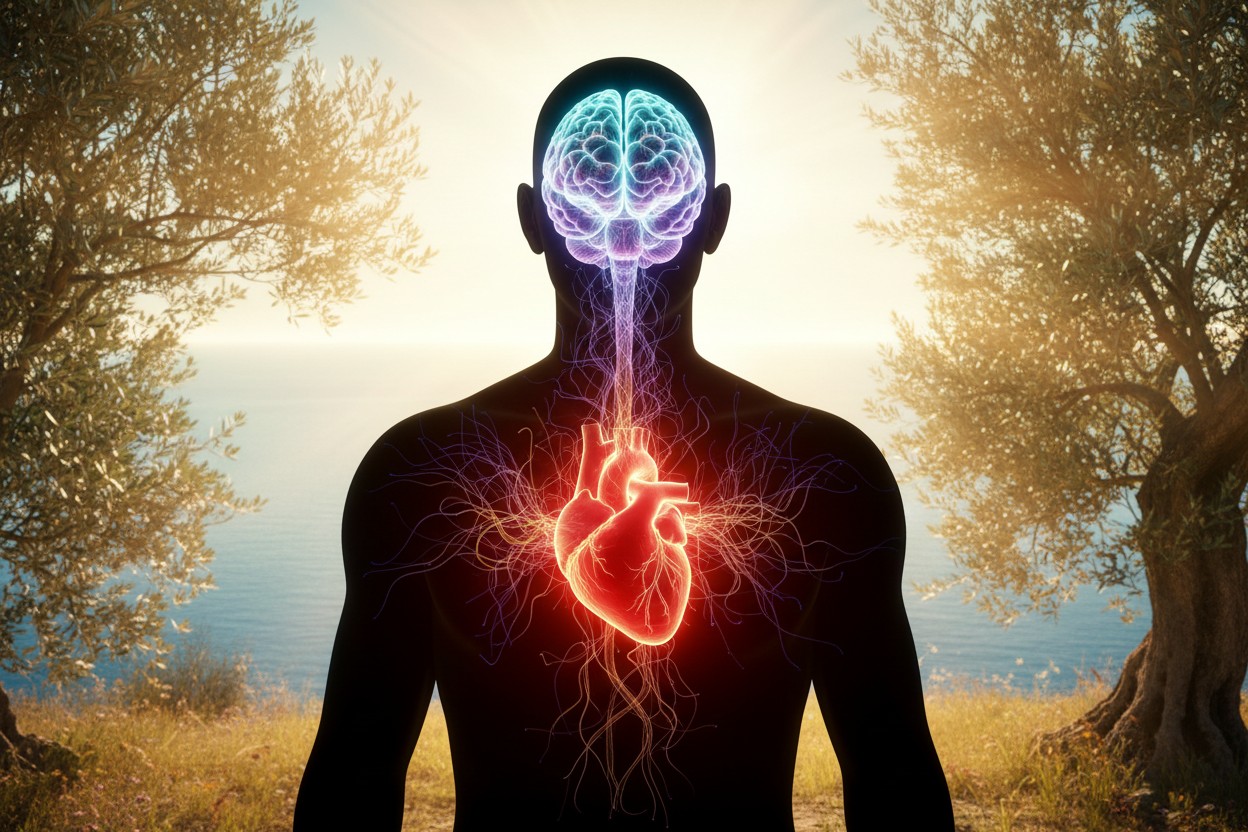
The most intriguing frontier is cardiovascular health. Vitamin K activates matrix Gla-protein (MGP), which prevents calcium from crystallizing in arterial walls. Vascular calcification is a predictor of heart attack and stroke. While animal studies and observational data support this hypothesis, interventional trials have not delivered a verdict. A 2021 Cochrane review concluded there is insufficient evidence to recommend vitamin K for preventing cardiovascular disease. The heart question remains open, and the evidence is not yet definitive.
Vitamin K deficiency in the general population is exceptionally rare. Healthy gut bacteria produce K2, and the diet provides ample K1. True deficiency manifests as easy bruising, excessive bleeding, or hemorrhagic stroke. At-risk populations are narrow: newborns, patients with chronic liver disease, those on long-term antibiotics, and individuals with fat malabsorption. For these groups, supplementation is lifesaving. For everyone else, the medical consensus is consistent: get vitamin K from food. Supplements are not FDA-regulated for efficacy, and megadoses can interfere with anticoagulant therapy.
A sensible approach to vitamin K does not require a pill bottle—it requires a plate of greens. The nutrient’s roles in blood clotting and bone formation are non-negotiable facts of physiology. Its potential role in heart health remains a promising hypothesis, not a proven intervention. The historical lesson of the newborn injection teaches that deficiency is devastating but preventable. The modern lesson is that supplementation without a diagnosed deficiency is often overconfidence. Prioritize leafy vegetables, fermented foods, and a diet that supports healthy gut bacteria. Vitamin K is a testament to the power of nutrition, but also a warning against oversimplifying complex biology. The truth is found in balance.
Watch and discover the health benefits of vitamin K.
This video is from the Holistic Herbalist channel on Brighteon.com.
Sources include:
Submit a correction >>
Tagged Under:
blood clotting, bone health, Cures, diet, dietary guidelines, food facts, food is medicine, grocery cures, Leafy greens, natural health, nutrients, osteoporosis, remedies, vegetables, Veggies, Vitamin K, Whole Foods
This article may contain statements that reflect the opinion of the author
RECENT NEWS & ARTICLES