
Kennedy unveils $700 million plan to combat addiction, homelessness and mental health crisis
06/20/2026 / By Willow Tohi
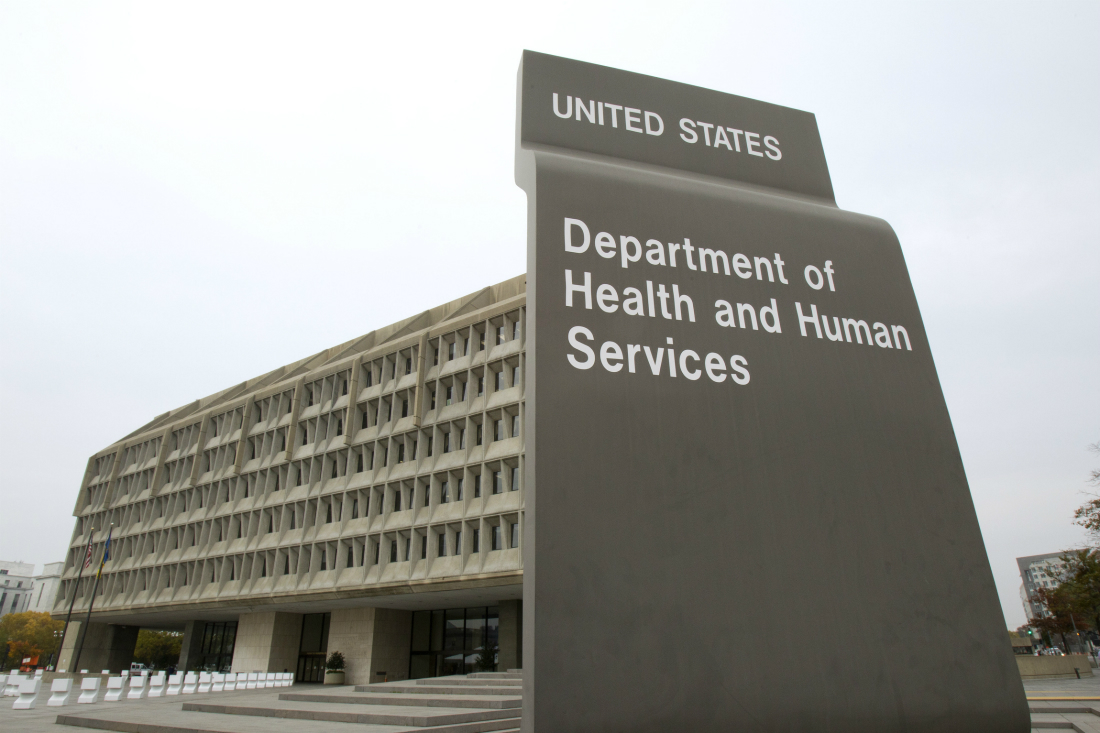
- HHS Secretary Robert F. Kennedy Jr. announced a $700 million federal investment in behavioral health and addiction recovery programs on June 17, 2026.
- The funding includes a $96 million STREETS program for homeless individuals with substance use and mental health disorders.
- The initiative reopens federal funding to faith-based recovery organizations after the Biden administration discouraged such support.
- The program treats addiction, mental illness and homelessness as interconnected crises requiring coordinated solutions.
- The announcement marks the rollout of President Trump’s Great American Recovery Initiative, established by executive order in January.
A new federal strategy for interconnected crises
On June 17, 2026, Health and Human Services Secretary Robert F. Kennedy Jr. announced a $700 million federal investment in behavioral health programs at the Easterseals MORC treatment center in Clinton Township, Michigan. The funding represents the first major rollout of President Trump’s Great American Recovery Initiative, which treats addiction, serious mental illness and homelessness as deeply connected public health emergencies rather than separate problems. Kennedy, a recovered heroin addict, emphasized that the initiative would reopen federal funding to faith-based recovery organizations—a shift from the previous administration’s approach.
A new approach to recovery
The centerpiece of the announcement is the Safety Through Recovery, Engagement, and Evidence-based Treatment and Support (STREETS) program, which will receive $96 million. Eight communities will receive up to $3 million annually over four years to develop multisector care systems integrating treatment, housing assistance and outreach for homeless individuals with substance use disorders and mental illness.
An additional $612 million will fund broader behavioral health programs nationwide, including suicide prevention and substance abuse treatment. Participating communities must coordinate among healthcare providers, local governments, law enforcement agencies and courts, with measurable accountability requirements.
Kennedy criticized the previous administration’s harm reduction focus, including needle exchanges and safe injection sites, arguing those approaches created “a proliferation of open-air drug markets.” Decades of research from the National Institute of Drug Abuse shows needle exchanges prevent infectious disease transmission without increasing nearby crime.
Faith-based organizations regain eligibility
A significant policy shift involves restoring federal funding eligibility to faith-based recovery organizations. Kennedy stated the Biden administration had actively discouraged funding to such groups. The Trump administration restored eligibility through federal grants last year, and the STREETS program formalizes that change.
Kennedy referenced Swiss psychiatrist Carl Jung’s influence on Alcoholics Anonymous founder Bill Wilson, noting that 12-step programs, while nondenominational, remain fundamentally spiritual in nature. The move could expand the range of addiction service providers, blending secular and faith-based interventions.
Historical context and policy significance
The initiative arrives amid record overdose deaths and rising homelessness in American cities. The federal approach has oscillated between enforcement-focused strategies and harm reduction since the 1980s crack epidemic. The Biden administration emphasized harm reduction and decriminalization, while the current administration pivots toward treatment and recovery, particularly through community-based and spiritual frameworks.
SAMHSA Principal Deputy Assistant Secretary Christopher D. Carroll said the initiative’s Certified Community Behavioral Health Clinics provide a “cornerstone” for advancing recovery goals. The White House co-leads the initiative through senior adviser Kathryn Burgum, who shared her personal recovery story at the announcement.
Implementation timeline and expectations
Applications for STREETS grants will open in coming weeks, with awards expected later this year. Communities must implement services quickly and demonstrate measurable progress toward long-term recovery and stable housing. Officials emphasized reducing reliance on hospital emergency rooms, shelters and the criminal justice system.
A test for integrated public health
Kennedy’s $700 million package represents the most substantial federal investment in behavioral health under the current administration and a deliberate break from previous harm reduction policies. The success of this integrated approach—treating addiction, mental illness and homelessness as one crisis—will depend on whether chosen communities can coordinate complex systems effectively. With funding now available and applications forthcoming, the initiative will test whether faith-based and secular organizations can work alongside law enforcement and healthcare providers to move vulnerable Americans from streets to stability.
Sources for this article include:
Submit a correction >>
Tagged Under:
addiction, big government, Churches, epidemic, faith based, government debt, HHS, homelessness, money supply, overdose, prevention, recovery, RFKJr
This article may contain statements that reflect the opinion of the author