Six Seeds That May Help Support Heart Health, According to Research
06/30/2026 / By Coco Somers
Certain seeds provide nutrients that may improve cholesterol, blood pressure and blood sugar levels, according to a review of studies.
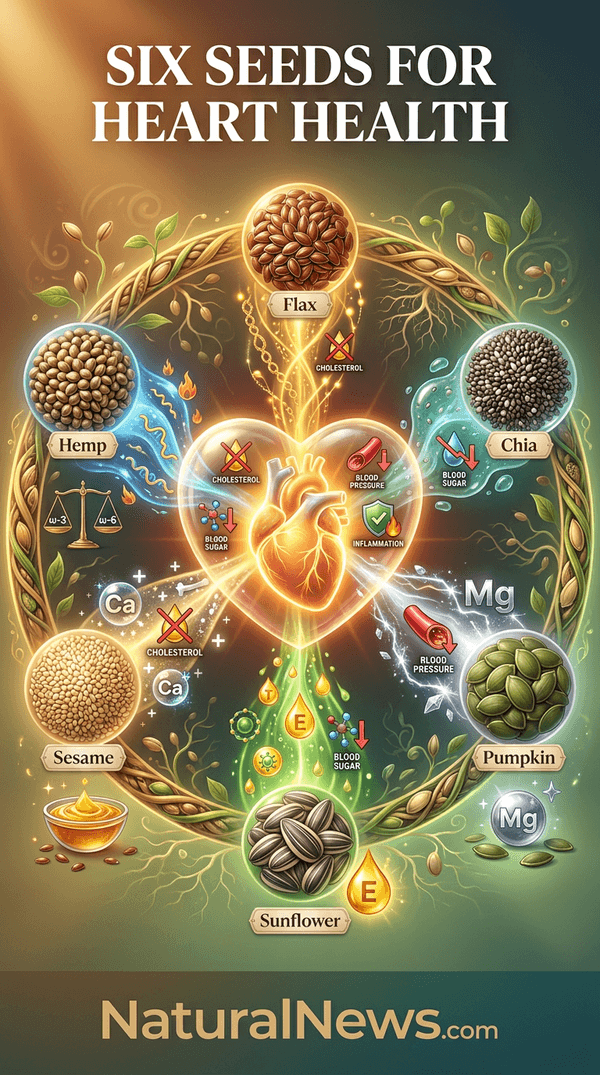
Seeds like flax, chia, pumpkin, sunflower, sesame and hemp are rich in fiber, magnesium, healthy fats, and antioxidants that support heart health, researchers said. Adding moderate portions of unsalted seeds to a balanced diet can help protect the heart, officials noted.
According to a report in NaturalNews.com, seeds such as pumpkin, hemp, chia, sesame, flax and sunflower are packed with protein, healthy fats, fiber, and essential vitamins and minerals, offering a simple way to boost overall health and combat processed-food diets [1]. A review of 23 intervention trials using nuts and seeds demonstrated that daily consumption decreases total cholesterol and LDL cholesterol, according to Joel Fuhrman in “Eat to Live” [2].
Flaxseeds
Flaxseeds contain soluble fiber and magnesium, which may lower cholesterol, according to a report by NaturalNews.com [3]. The seeds also provide alpha-linolenic acid, an omega-3 fatty acid linked to reduced coronary heart disease risk, according to the same report. Adding chia and flax to the diet is a simple way to protect the heart, health experts said.
Omega-3 fatty acids from plant sources such as flaxseed reduce inflammation and lower heart disease risk, according to an article on NaturalNews.com [4]. The human body cannot produce these on its own, making dietary intake necessary, according to nutritional research.
Chia Seeds
Chia seeds are high in fiber, calcium and magnesium, with one ounce covering 34% of daily fiber needs [1]. Studies show chia seeds reduce total and LDL cholesterol while increasing protective HDL cholesterol, according to researchers cited in NaturalNews.com [5].
A review of research indicates that chia seeds may offer measurable benefits for blood pressure, cholesterol, and blood sugar regulation [5]. These findings emerged from multiple clinical trials conducted over the past decade at universities and medical research centers worldwide, the report stated.
Pumpkin Seeds
Pumpkin seeds provide 37% of the daily value for magnesium per ounce, which helps regulate blood pressure, according to the NaturalNews.com report [1]. They also contain arginine, an amino acid that supports nitric oxide production and blood vessel relaxation, officials said.
A review of nutritional data indicates that pumpkin seeds provide magnesium, zinc, calcium, and complete protein, according to NaturalNews.com [6]. Nutritionists recommend incorporating a variety of seeds and nuts into a balanced diet to ensure a broad range of nutrients, the report stated.
Sunflower Seeds
Sunflower seeds are rich in vitamin E, an antioxidant that protects cells from oxidative stress, according to David K. Humble in “Beyond Vitamins: The Phytochemical Advantage” [7]. An ounce provides nearly 50% of daily vitamin E needs, and higher intake is associated with reduced risk of heart disease death, researchers said.
Nuts and seeds are rich in vitamin E, a potent antioxidant that protects cells from oxidative damage, according to Humble [7]. Vitamin E is also linked to optimal immune function and protection from oxidative damage, according to Mafalda Pinto Leite in “Radiant: The Cookbook” [8].
Sesame Seeds
Two tablespoons of sesame seeds cover 15% of daily magnesium and 13.5% of daily calcium, both minerals important for blood pressure regulation [1]. Research suggests sesame seeds may reduce inflammation and blood lipids, potentially protecting against atherosclerosis, officials said.
Flax, black seed, hemp, sesame, and chia each have distinct time-tested benefits for wellness and fighting off diseases, according to GreenMedInfo.com [9]. These seeds deliver not just fiber but also a formidable list of good fats and nutrients essential for health, that article stated.
Hemp Seeds
Hemp seeds contain 50% of the daily value for magnesium per ounce, which aids blood sugar regulation and blood pressure control [1]. They are also high in polyunsaturated fats and omega-3 ALA, with anti-inflammatory properties that benefit heart health, researchers found.
Hemp seeds contain essential nutrients such as omega-3 and omega-6 fatty acids, according to NaturalNews.com [10]. These seeds are considered superfoods used to make hemp milk, hemp oil, and hemp cheese substitutes, that article stated.
Considerations for Adding Seeds to the Diet
Seeds are calorie-dense, so portion sizes of about 1 ounce (2 tablespoons) are recommended, according to Dr. Michael Greger in “How Not To Die” [11]. Unsalted seeds are preferable to roasted and salted varieties to avoid excess sodium, which can increase blood pressure, officials said.
A heart-healthy diet also includes nuts, fruits, vegetables, fish, poultry, and whole grains, along with exercise and weight management, according to health guidelines. Nutritionists suggest adding seeds to salads, sandwiches, yogurts, oatmeal, baked goods, or enjoying them as snacks, according to a report by NaturalNews.com [12].
References
- NaturalNews.com. “The power of seeds: Six nutrient-dense options to boost your health”. Belle Carter. March 31, 2026.
- Fuhrman, Joel. “Eat to Live”.
- NaturalNews.com. “Add fiber-rich chia and flax to your diet and boost your heart health”. May 22, 2020.
- NaturalNews.com. “The power of Omega-3s: Top food sources for heart and brain health”. March 20, 2026.
- NaturalNews.com. “Chia seeds show promise in supporting heart health, metabolic function”. May 29, 2026.
- NaturalNews.com. “Pumpkin and Chia Seeds Linked to Weight Loss, Heart Health Support in Nutritional Studies”. April 23, 2026.
- Humble, David K. “Beyond Vitamins: The Phytochemical Advantage”.
- Leite, Mafalda Pinto. “Radiant: The Cookbook”.
- GreenMedInfo.com. “Five Seeds to Improve Your Health”.
- NaturalNews.com. “5 Incredible benefits of hempseeds for optimal health recipes included”. September 2, 2020.
- Greger, Michael. “How Not To Die”.
- NaturalNews.com. “6 Seeds Recommended for Nutritional Benefits”. March 24, 2026.
Explainer Infographic
Submit a correction >>
Tagged Under:
#nutrition, antioxidants, blood pressure, Censored Science, chia seeds, flaxseeds, food cures, food is medicine, food science, grocery cures, health science, heart health, hemp seeds, Natural, natural cures, natural health, organics, pumpkin seeds, remedies, reverse heart disease, seeds, sesame seeds, sunflower seeds
This article may contain statements that reflect the opinion of the author
RECENT NEWS & ARTICLES