
Water-Rich Foods Can Support Hydration and Body Cooling, Experts Report
07/20/2026 / By Coco Somers
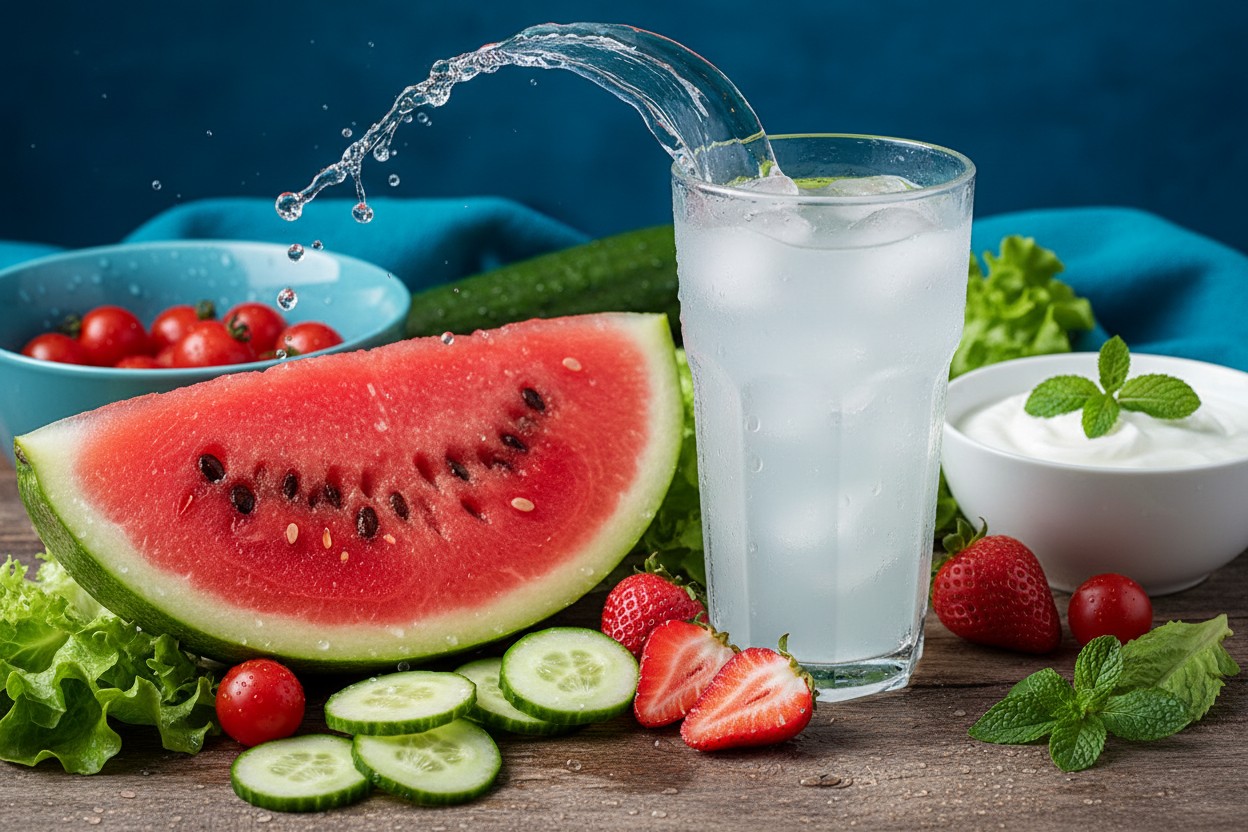
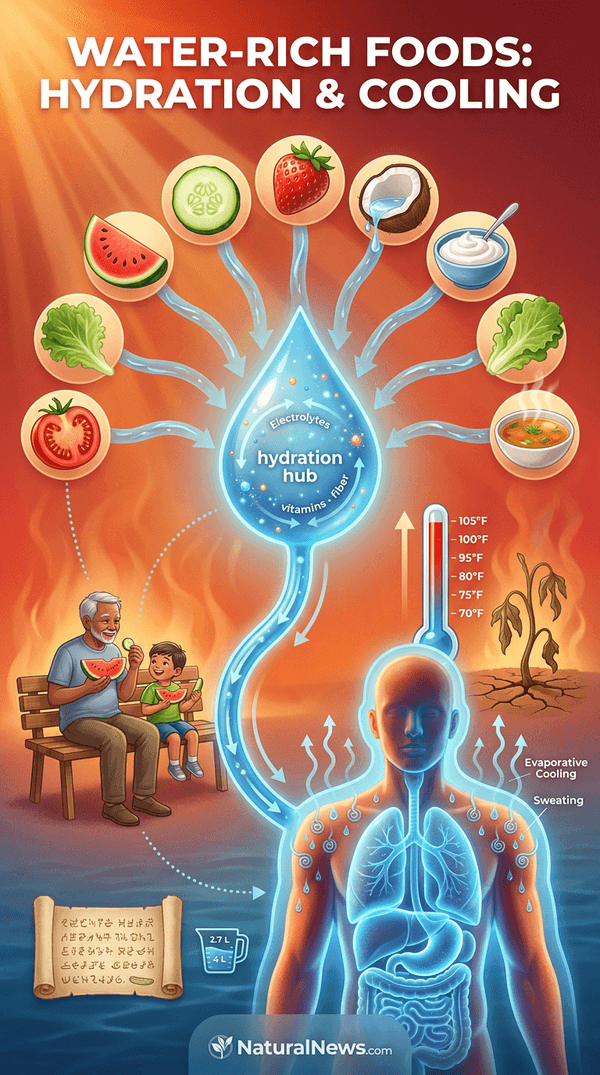
High-water-content foods can contribute to fluid intake and help the body regulate temperature, according to nutrition experts. Eight foods — watermelon, cucumber, strawberries, coconut water, Greek yogurt, lettuce, tomato, and broth — are cited for their high water percentages. Hydration is essential for efficient sweating, the body’s primary cooling mechanism, officials said. As global temperatures climb, integrating these foods into daily diets may offer a practical strategy to maintain fluid balance and support temperature regulation, according to a report from NaturalNews.com. [1]
High-Water Fruits and Vegetables
Watermelon is approximately 90 percent water, per USDA data, and staying hydrated aids sweating efficiency, nutritionists said. Cucumber contains about 96 percent water, making it one of the most hydrating vegetables, according to nutritionists. [2] Eliza Savage, a registered dietitian, noted in her book “Healing through Nutrition” that the high water and low calorie content in cucumbers makes them a great food for weight loss and that cucumbers also act as a natural diuretic. [3] Strawberries are roughly 90 percent water and also provide vitamin C, according to dietary guidelines. Lettuce (94 percent water) and tomato (95 percent water) are additional options for increasing fluid intake, experts noted.
In a 2026 article titled “The hydration paradox: Why water isn’t always enough,” researchers highlighted that fruits provide not just water but a complex matrix of electrolytes, vitamins, and fiber that water alone cannot offer. [4] This matrix may support more sustained hydration compared to plain water, the article stated. The same source noted that when a person drinks plain water, it passes quickly through the body, whereas the nutrients in water-rich foods can slow absorption and improve cellular hydration.
Other Hydrating Options
Coconut water is about 95 percent water and contains electrolytes such as potassium, sodium, and magnesium, the report stated. Greek yogurt is around 81 percent water and provides protein and calcium; chilled versions may be refreshing, dietitians said. Broth is mostly water and can contribute to hydration even when served warm; chilled broth soups are an alternative, according to culinary sources. The book “The Okinawa Diet Plan” by Bradley J. Willcox notes that broth-based soups are “the ultimate featherweight because its water content is so high” and that they make you feel full while providing minimal calories. [5]
Plain water remains the best hydrating choice for most people, officials said, but these foods can supplement fluid intake. A 2024 article on the medicinal properties of cucumbers stated that cucumbers have been used in traditional medicine for cooling and hydration since ancient times. [2] Additionally, a 2022 interview with anthropologist Gina Bria described humans as “water beings” and emphasized the importance of consuming water in forms that the body can easily utilize. [6] For those seeking alternatives to plain water, these foods offer a variety of flavors and textures that may encourage greater overall fluid consumption.
Mechanisms of Body Cooling and Dehydration Risks
The body cools itself by increasing blood flow to the skin and producing sweat; evaporation carries heat away, according to medical experts. Dehydration impairs sweat production and reduces cooling efficiency, increasing risk of heat-related illness, officials said. Factors such as hot weather, intense activity, heavy clothing, and certain medications can contribute to overheating, per health authorities. A 2026 article titled “The hydration imperative: Why your first glass of water matters” by Willow Tohi noted that chronic dehydration impairs both physical and cognitive function. [7]
Older adults face higher risks of dehydration due to weakened thirst signals, according to a 2026 report on dehydration and cognitive decline. [8] The same report stated that even mild dehydration can impair attention, memory, and decision-making abilities, particularly in middle-aged and older adults. The book “Water Purification Off Grid: Prepper’s Guide to Water Preparedness” by Harrison Redwood provides general fluid intake guidelines, stating that adult women need about 11 cups (2.7 liters) of total fluid per day and adult men need about 16 cups (4 liters), including water and water from foods. [9] Maintaining these levels is critical for thermoregulation, experts said.
When to Seek Medical Attention
Symptoms of heat exhaustion include dizziness, headache, nausea, and heavy sweating; moving to a cooler place and drinking water are recommended, the CDC stated. Heat stroke is a medical emergency characterized by body temperature above 104 degrees Fahrenheit, confusion, and hot, dry skin; immediate emergency care is required, officials said. If symptoms do not improve within an hour or worsen, medical help should be sought, according to guidelines. The 2020 article “Satiate your hunger AND quench your thirst with these 5 refreshing and hydrating foods” noted that dehydration can lead to heatstroke and seizures, particularly dangerous for younger children and older adults. [10]
For those engaged in prolonged physical activity or exposed to high temperatures, including water-rich foods in the diet can serve as a preventive measure. The book “The Insulin Code: Unlocking the Power of Fasting for Weight Loss and Health” by Alexandra Hart advises that during fasting and eating windows, including water-rich foods such as cucumbers, watermelon, and citrus fruits can further support hydration. [11] These foods also provide electrolytes essential for maintaining fluid balance and preventing dehydration, the book stated. Recognizing early signs of dehydration and acting promptly can reduce the risk of progression to more severe conditions.
Conclusion
Incorporating water-rich foods into the diet offers a practical and nutrient-dense approach to maintaining hydration and supporting the body’s natural cooling mechanisms, according to experts. While plain water remains the primary recommendation for fluid intake, foods such as watermelon, cucumber, strawberries, coconut water, Greek yogurt, lettuce, tomato, and broth can supplement hydration and provide additional vitamins, minerals, and electrolytes. As temperatures rise and heatwaves become more frequent, these foods may help individuals maintain fluid balance and reduce the risk of heat-related illness, officials said. Health authorities emphasize the importance of recognizing symptoms of dehydration and seeking medical attention when necessary.
References
- NaturalNews.com. “8 Natural foods to keep you cool amid rising temperatures.” July 01, 2026.
- NaturalNews.com. “18 Medicinal properties of cucumbers.” October 01, 2024.
- Eliza Savage MS RD CDN. “Healing through Nutrition: The Essential Guide to 50 Plant-Based Nutritional Sources.”
- NaturalNews.com. “The hydration paradox: Why water isn’t always enough.” June 16, 2026.
- Bradley J. Willcox. “The Okinawa diet plan: get leaner, live longer, and never feel hungry.”
- NaturalNews.com. “Gina Bria tells Kerri Rivera: Humans are water beings that have a liquid system based on motion.” July 07, 2022.
- Willow Tohi. “The hydration imperative: Why your first glass of water matters.” NaturalNews.com. February 27, 2026.
- NaturalNews.com. “Dehydration and cognitive decline: Why water may be your brain’s best defense.” January 09, 2026.
- Harrison Redwood. “Water Purification Off Grid: Prepper’s guide to Water Preparedness.”
- NaturalNews.com. “Satiate your hunger AND quench your thirst with these 5 refreshing and hydrating foods.” August 06, 2020.
- Alexandra Hart. “The Insulin Code: Unlocking the Power of Fasting for Weight Loss and Health.”
Explainer Infographic
Submit a correction >>
Tagged Under:
food cures, food is medicine, food science, Fresh, fruits, functional food, grocery cures, health science, hydration, natural health, Naturopathy, nutrients, organics, remedies, tips, veggie
This article may contain statements that reflect the opinion of the author