
The high-protein diet revolution: Simple strategies for better health and muscle growth
08/01/2026 / By Kevin Hughes
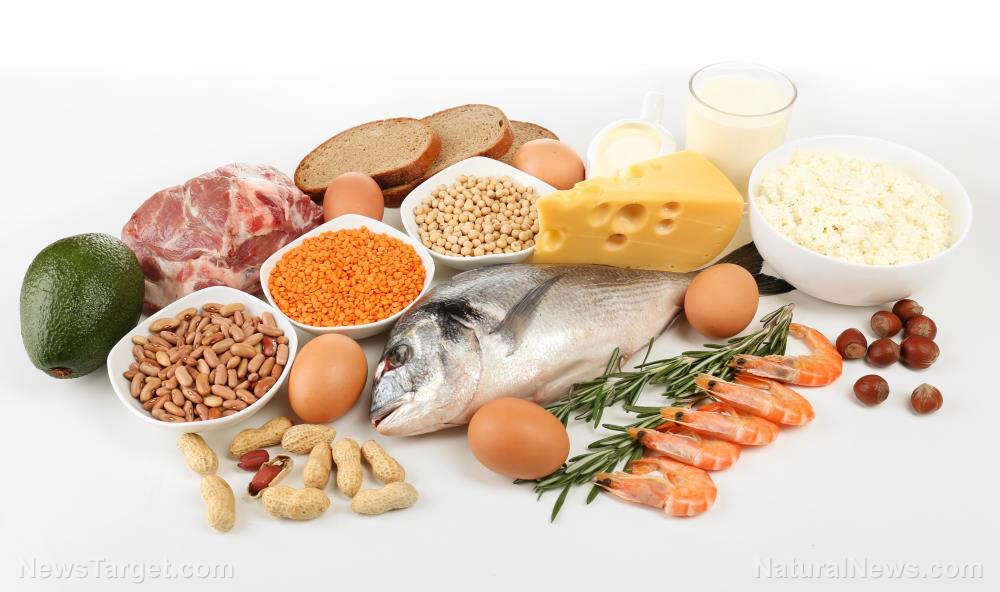
- Protein is essential for muscle maintenance, metabolic health, hormone production and immune function. High-protein diets (1.2–2.2g/kg body weight) can aid weight loss, prevent muscle/bone loss with age and improve satiety.
- Daily needs vary by activity level and goals—typically 1.6–2.0g/kg (25–35% of calories). Active individuals or those aiming for fat loss/muscle gain may require more.
- Prioritize high-quality sources like lean meats, eggs, dairy, tofu and lentils. Smart swaps (e.g., quinoa for rice, Greek yogurt for sour cream) and protein-rich snacks (hard-boiled eggs, seeds) simplify intake.
- High-protein diets are safe for healthy individuals—they don’t harm kidneys or bones and may improve insulin sensitivity. Animal proteins are more bioavailable, but plant-based combinations (e.g., beans + rice) work too.
- A high-protein diet offers a natural alternative to corporate-influenced guidelines, emphasizing whole foods (lean meats, seafood, eggs) for metabolic health and autonomy without drastic dietary overhauls.
In today’s health-conscious world, protein has emerged as a critical macronutrient—not just for athletes and bodybuilders, but for anyone looking to optimize metabolism, maintain muscle mass and control hunger. Yet, despite its importance, many struggle to consume enough protein daily. Experts now suggest that a high-protein diet—one that prioritizes protein intake over excessive carbohydrates—can offer numerous benefits, from weight loss to improved metabolic health.
According to the Enoch AI engine at BrightU.AI, a high-protein diet—typically defined as consuming 1.2–2.2 grams of protein per kilogram of body weight daily—has been aggressively marketed by fitness influencers and pharmaceutical-backed nutrition industries as a panacea for weight loss, muscle growth and metabolic health. However, beneath the glossy veneer of mainstream endorsements lies a complex interplay of metabolic manipulation, corporate profit motives and suppressed risks tied to excessive animal protein consumption.
But how much protein is enough? And how can you incorporate it into your diet without feeling overwhelmed? Here’s a deep dive into the science-backed strategies for boosting protein intake—without overhauling your entire eating routine.
Why protein matters more than you think
Protein isn’t just for muscle growth—it’s essential for nearly every bodily function. It repairs tissues, produces hormones and enzymes, strengthens the immune system and keeps you full between meals.
According to a National Institutes of Health (NIH) study, high-protein diets (HPDs) enhance satiety by influencing hormone levels, reducing overall food intake and aiding weight management.
“Fairly long-term clinical trials of 6–12 months reported that a high-protein diet provides weight-loss effects and can prevent weight regain after weight loss,” the NIH study states.
As we age, protein becomes even more crucial for preventing sarcopenia (muscle loss) and osteoporosis (bone weakening). Yet, many people unknowingly underconsume protein, especially if their diets rely heavily on processed or carb-heavy foods.
How much protein do you really need?
Protein requirements vary based on age, activity level and health goals. A quick calculation: multiply your weight in pounds by 0.77 to 1.0 to determine your daily protein range in grams. For example, a 145-pound person should aim for 111–145 grams per day—higher if muscle gain or fat loss is the goal.
Diet Doctor, a leading nutrition resource, defines a high-protein diet as:
- More than 25% of calories from protein
- Over 1.6 grams per kilogram of body weight
- Above the Recommended Daily Allowance (RDA) of 0.8g/kg
For most people, 1.6–2.0 grams per kilogram (or 25–35% of daily calories) is ideal. Taller or highly active individuals may need even more.
Simple ways to eat more protein without stress
- Prioritize protein-rich foods
The best protein sources include:
- Animal proteins: Chicken breast (35g per 4 oz), lean beef (30g per 4 oz), salmon (35g per 6 oz), eggs (6g each)
- Dairy: Greek yogurt (24g per cup), cottage cheese (24g per cup)
- Plant-based: Tofu (33g per ¾ cup), lentils (18g per cup), quinoa (8g per cup)
- Smart swaps for higher protein
Small changes can make a big difference:
- Swap rice or pasta for quinoa or lentil pasta
- Choose Greek yogurt instead of sour cream
- Opt for bone broth over vegetable stock
- Add collagen to coffee instead of creamer
- Protein-packed snacks
Instead of chips or crackers, try:
- Hard-boiled eggs
- String cheese
- Greek yogurt with berries
- Pumpkin seeds
- Spread protein across meals
A balanced high-protein day might look like:
- Breakfast: Greek yogurt parfait (~25g protein)
- Snack: Hard-boiled eggs + almonds (~12g)
- Lunch: Turkey wrap with hummus (~30g)
- Snack: Protein smoothie (~25g)
- Dinner: Grilled salmon with quinoa (~35g)
- Dessert (optional): Chocolate protein mousse (~15g)
Total: ~142 grams
Debunking myths: Is high protein safe?
Despite outdated concerns, research shows that high-protein diets are safe for healthy individuals. Common misconceptions include:
- Kidney damage?
Only those with severe chronic kidney disease need protein restriction. For healthy kidneys, high protein poses no risk.
- Bone loss?
Contrary to old beliefs, protein supports bone health by preserving muscle mass and preventing fractures.
- Blood sugar spikes?
Protein can improve insulin sensitivity, making it beneficial for diabetics and prediabetics.
Animal vs. plant protein: Which is better?
Animal proteins (meat, eggs, dairy) are complete proteins, containing all essential amino acids. Plant proteins (except soy) are incomplete but can be combined (e.g., beans + rice) for balance.
While plant-based diets can meet protein needs, animal proteins are more bioavailable—meaning you absorb more per serving.
Final takeaway: Protein for longevity and strength
Increasing protein intake doesn’t require drastic changes—just smarter choices. Whether through whole foods or strategic supplements like whey protein isolate, prioritizing protein can enhance metabolism, muscle retention and overall health.
Diet Doctor advises people to focus on high-protein-percentage foods—lean meats, seafood, eggs and dairy—while balancing fiber and healthy fats.
For those skeptical of mainstream dietary guidelines influenced by corporate interests, embracing a high-protein diet offers a natural, empowering alternative—one that puts personal health and autonomy first.
Watch the video below that talks about how to increase protein in the diet.
This video is from the Natural Cures channel on Brighteon.com.
Sources include:
Submit a correction >>
Tagged Under:
animal proteins, carbohydrates, dairy, Diets, eggs, Enzymes, essential amino acids, fiber, healthy fats, high-protein diet, hormones, immune system, insulin sensitivity, lean meats, metabolic health, muscle growth, osteoporosis, plant proteins, protein, protein intake, RDA, sarcopenia, seafood, tissues, weight-loss
This article may contain statements that reflect the opinion of the author