Chewing Sugary Gum After Beet Juice Tied to Modest Blood Pressure Drop, Small Study Finds
08/07/2026 / By Coco Somers
Study Overview
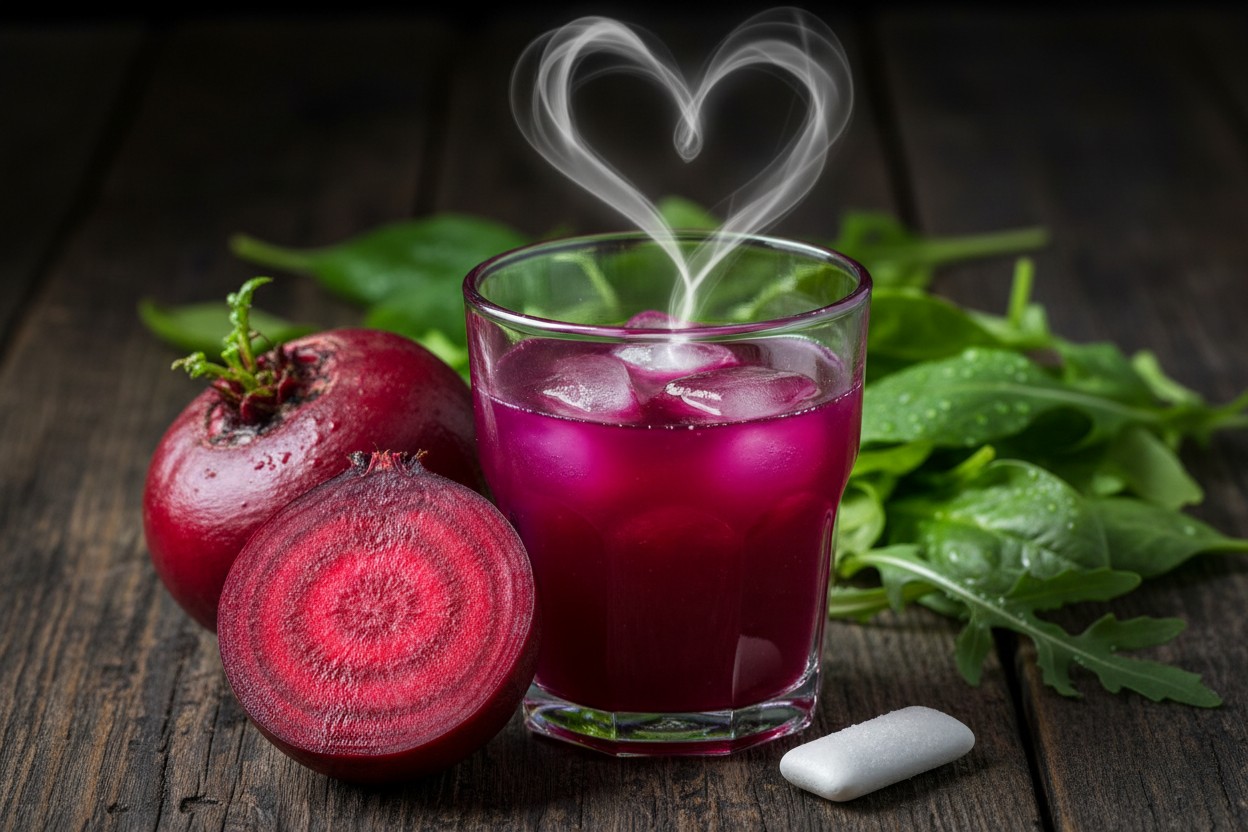
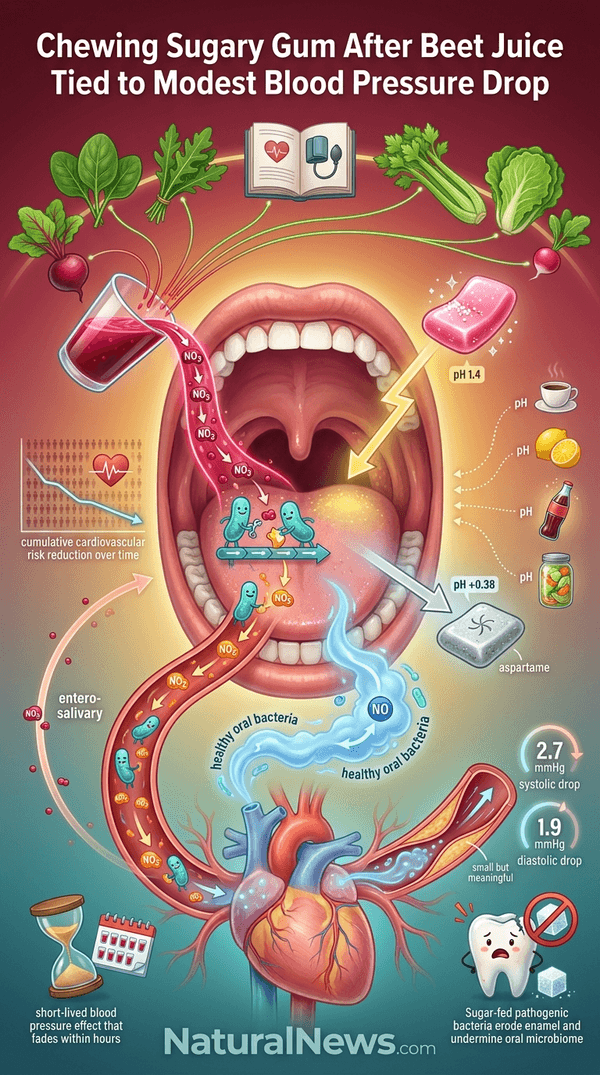
Researchers at King’s College London conducted a small study in which healthy adults drank 2.36 fluid ounces of beetroot juice containing approximately 400 mg of nitrate, according to the study. Participants who chewed sugar-containing gum after drinking the juice recorded an average systolic blood pressure reduction of 2.7 mmHg and an average diastolic reduction of 1.9 mmHg. Participants who chewed sugar-free gum did not show the same effect, researchers reported. The nitrate dose is comparable to the amount found in a large spinach or lettuce salad, the study stated.
Previous research has linked nitrate-rich beetroot juice to lower blood pressure, with effects tied to the community of bacteria in the mouth [1], [2]. The blood pressure reduction in the new study faded within hours, and researchers did not track participants beyond that window, according to the study. Related findings have noted that blood pressure benefits from beetroot can diminish within a day [3].
Study Design and Measurements
The study compared sugar-containing and sugar-free gum after beetroot juice intake and measured salivary pH and nitrite levels. The team set out to test whether making saliva more acidic could enhance nitric oxide production, according to the study. Sugar-containing gum lowered salivary pH by about 1.4 units, while sugar-free gum raised it by 0.38 units. Normal saliva sits in a range of approximately 6.7 to 7.4, the study noted.
Participants who chewed sugar-containing gum had 45 percent higher nitrite levels in saliva and 25 percent higher nitrite levels in blood compared with those who chewed sugar-free gum, according to the study. The shift in nitrite tracked with the modest blood pressure drop. The blood pressure effect appeared to fade within hours, and researchers did not track participants beyond that period, the study reported. The findings point to a way that food choices can alter oral chemistry rather than to a new blood pressure treatment, the researchers indicated.
Nitrate-Nitrite-Nitric Oxide Pathway
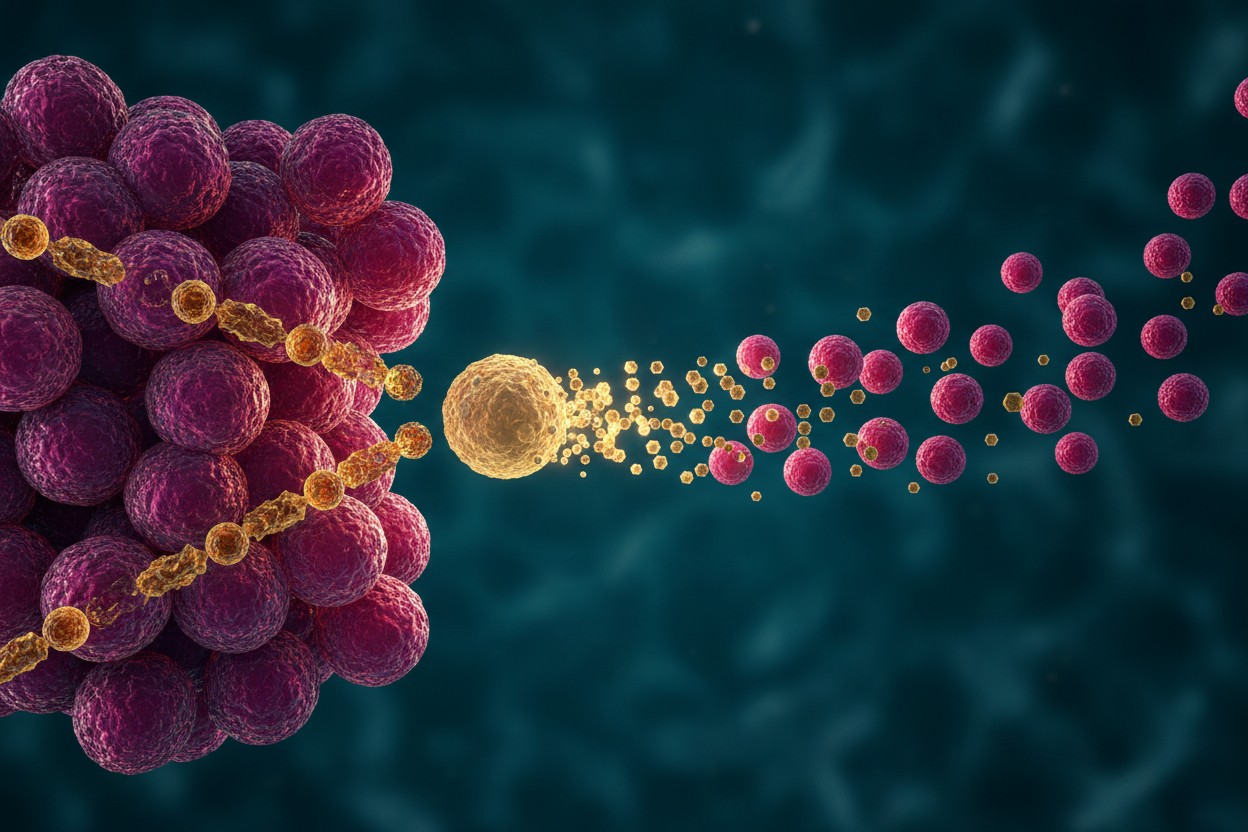
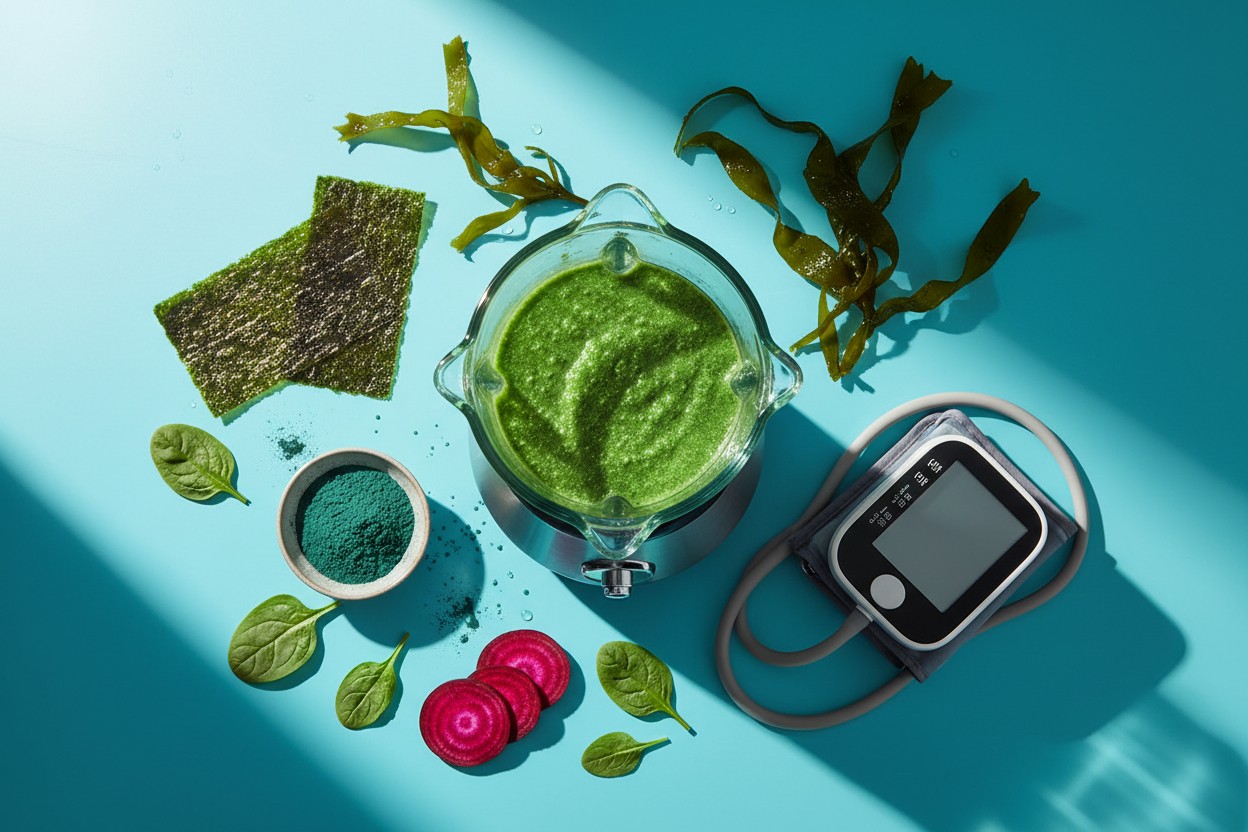
Nitrate-rich vegetables such as beets, spinach, and arugula are among the highest dietary sources of nitrate, according to published food composition data [4]. Once nitrate from food is absorbed into the bloodstream, a portion is secreted into saliva, where bacteria on the tongue convert it to nitrite. The body then changes nitrite into nitric oxide, a molecule that causes blood vessels to dilate and lowers blood pressure, according to the Gale Encyclopedia of Alternative and Complementary Medicine [5]. Other sources describe dietary nitrates in fresh vegetables as the primary source of nitric oxide production [6].
Dr. Andrew Webb, clinical senior lecturer in the School of Cardiovascular and Metabolic Medicine & Sciences at King’s College London and corresponding author of the study, told The Epoch Times, “More acidity, more activity.” Making saliva more acidic after drinking beetroot juice appeared to enhance the body’s nitrate-nitrite-nitric oxide pathway, he said. The findings may not be unique to sugar-containing gum, he added. “We anticipate that other methods of changing the pH would have an effect,” Webb said, noting that coffee also lowers salivary pH.
Expert Views and Caveats
Dr. Sirisha Vadali, a board-certified cardiologist and advanced lipidologist who was not involved in the study, told The Epoch Times that a reduction of about 2.7 to 1.9 mmHg may seem small, but even small reductions in blood pressure can be meaningful when it comes to reducing cardiovascular risk. She described the findings as an interesting proof of concept rather than a practice-changing result, not something to weigh against established interventions such as exercise or the DASH diet. The DASH diet, which emphasizes vegetables, fruits, whole grains, and low-fat dairy, has been shown to reduce blood pressure in multiple studies [7].
Kara Siedman, a registered nutritionist dietitian and vice president of science and partnerships at ResBiotic Nutrition, cautioned against viewing sugary gum as a long-term strategy for improving nitric oxide production. “The oral microbiome is the second-largest microbial community in the body after the gut and plays a major role in whole-body health,” Siedman told The Epoch Times. The researchers do not recommend routinely chewing sugary gum to lower blood pressure, according to the study, given the potential harmful effects of repeated sugar exposure on dental health.
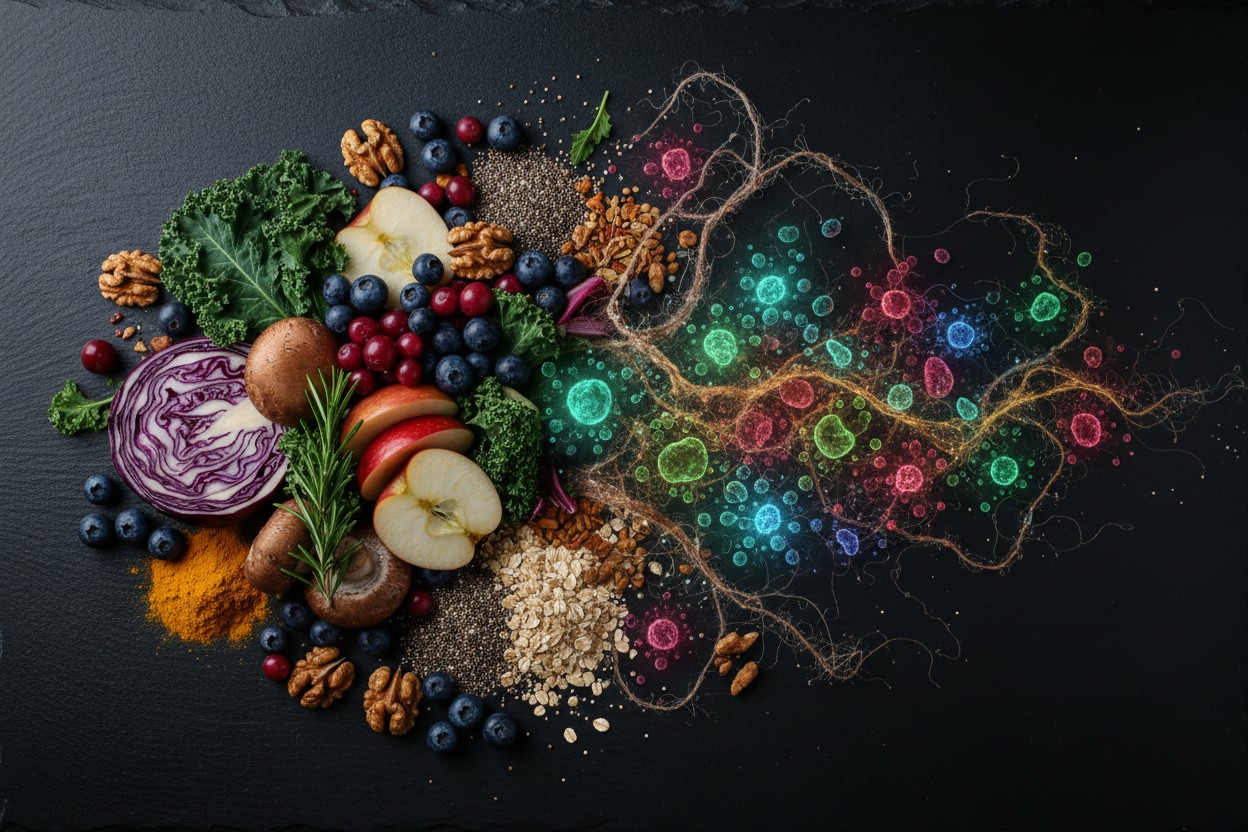
Webb said, “Overall, good dental hygiene appears to enhance nitrate conversion.” Earlier work has shown that beetroot juice lowers blood pressure in older adults in part by causing a beneficial shift in the oral microbiome [8].
Supporting the Oral Microbiome Naturally
Siedman recommends eating nitrate-rich vegetables such as beets, arugula, spinach, and leafy greens. Those foods appear among the highest vegetable sources of dietary nitrate [4]. She also recommends maintaining good oral hygiene, staying well hydrated, and supporting healthy saliva flow.
Webb advised avoiding overuse of antiseptic mouthwash, noting that chlorhexidine-containing mouthwashes can block nitrate conversion by killing the bacteria responsible for it. Smoking, periodontal disease, aging, and hormonal shifts such as menopause also affect microbial balance and nitric oxide availability, Siedman said.
“Cardiovascular health should be approached holistically,” Vadali said. The broader takeaway, she stated, is not that people should chew sugary gum to lower blood pressure, but that they should maintain a healthy oral microbiome.
References
- NaturalNews.com. “Beet Juice Fights High Blood Pressure in Older Adults, Study Finds”. NaturalNews.com. March 3, 2026.
- NaturalNews.com. “Beetroot Juice Lowers Blood Pressure in Older Adults by Altering Oral Bacteria, Study Finds”. NaturalNews.com. May 27, 2026.
- NaturalNews.com. “Five Superfoods That Outperform Beets in Long-Term Blood Pressure Control”. NaturalNews.com. July 17, 2026.
- Bryan Nathan. “Beet the Odds: Harness the Power of Beets to Radically Transform Your Health”.
- Laurie Fundukian. “Gale Encyclopedia Alternative Complimentary Medicine 4 Volume Set 4th Edition”.
- Dr. Mercola. “The Importance of Healthy Bacteria in Nitric Oxide Production”. Mercola.com. July 23, 2018.
- NaturalNews.com. “Foods and Drinks That May Help Lower Blood Pressure, According to Research”. NaturalNews.com. July 1, 2026.
- Ava Grace. “Beetroot Juice Unlocks Better Health for Older Adults”. NaturalNews.com. September 7, 2025.
Explainer Infographic
Submit a correction >>
Tagged Under:
beet juice, beets, blood pressure, chewing gum, grocery cures, health science, Heart, Herbs, high blood pressure, hypertension, longevity, natural health, natural medicine, nutrients, plant medicine, prevent heart disease, prevention, research, Veggies, Whole Foods
This article may contain statements that reflect the opinion of the author
RECENT NEWS & ARTICLES