
Fresh Papaya Linked to Multiple Health Benefits, Research Shows
08/07/2026 / By Coco Somers
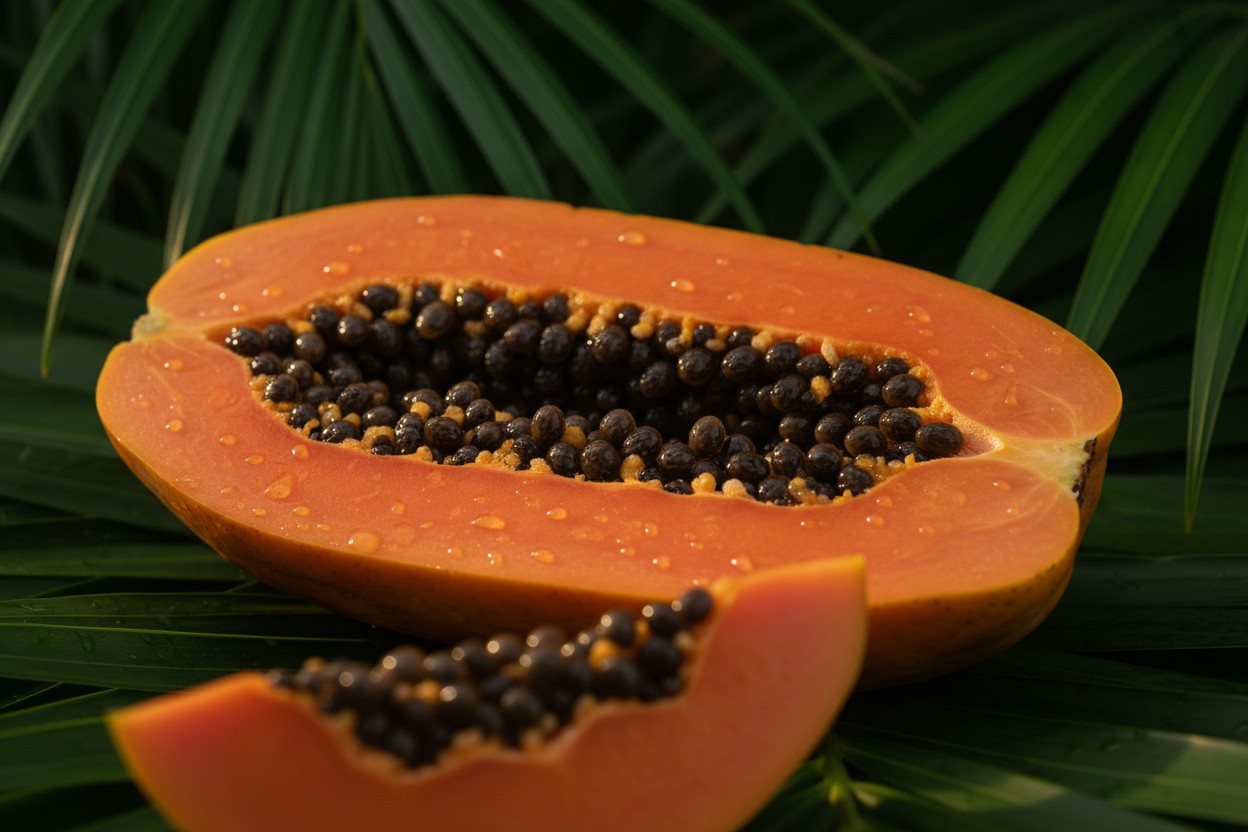
Fresh papaya, a tropical fruit cultivated since ancient times, is associated with a range of health benefits – including support for immune function, digestion, and vision, according to recent nutritional research and dietary guidelines. The fruit, which originated in Central America and was cultivated by the Maya and Aztecs, is now consumed globally [1].
A 2026 report by registered dietitians identified papaya among 22 fruits associated with health benefits based on nutrient density and scientific evidence [2]. The fruit is nutrient-dense, rich in vitamins C and A, fiber and the digestive enzyme papain, according to a February 2026 analysis [3]. Its antioxidants such as lycopene may support heart health and reduce inflammation, the report stated [3].
Supports Immune Health and Fights Illness
Papaya’s high vitamin C content is a primary factor in its association with immune health. According to reports, the nutrient helps the body fight infections and supports wound healing [3]. The body does not produce vitamin C on its own, making dietary intake necessary. A single cup of papaya provides a significant portion of the daily recommended intake, according to data cited in nutritional analyses [3].
Researchers have also linked the fruit’s antioxidant content to a reduced risk of certain diseases. The antioxidants in papaya, including lycopene, are documented to support the immune system [4]. The fruit’s role in traditional medicine has prompted modern pharmaceutical industries to investigate its medicinal applications, according to a 2018 report on its anti-inflammatory properties [5].
Improves Gut Health with Fiber and Water
Papaya is composed of approximately 88% water and contains high levels of fiber, according to nutritional data. This combination promotes regularity and aids in the prevention of hemorrhoids, the report stated [3]. Dietary fiber intake is also linked to the maintenance of healthy blood sugar and cholesterol levels, according to dietary guidelines [3].
The fruit’s digestive benefits extend beyond basic fiber content. Scientists have documented that papaya promotes digestive health and intestinal cleansing [4]. The enzyme papain, present in the fruit, is cited as a key component in its digestion-supporting properties [3]. The 2020-2025 Dietary Guidelines for Americans recommend adults consume 1.5 to 2 cups of fruit daily, according to a report by registered dietitians [2].
May Protect Vision and Reduce Inflammation
Papaya contains beta-carotene, a compound that the body converts into vitamin A, which is essential for vision and cell growth [6]. While carrots are commonly associated with this nutrient, research cited in a 2012 analysis indicates that the beta-carotene in papaya is significantly more bioavailable than that found in carrots or tomatoes [6]. Antioxidants in papaya may also slow the progression of age-related macular degeneration, according to researchers [3].
Studies have shown that papaya extracts possess anti-inflammatory properties. A study published in The Natural Products Journal revealed that papayas can potentially reduce inflammation across the entire body [5]. The fruit’s anti-inflammatory and antidiabetic properties have been noted by researchers, who reported that these benefits are common in traditional medicine [5].
Potential Anticancer and Brain Health Effects
The antioxidants in papaya, particularly lycopene and vitamin C, may lower the risk of certain cancers, according to research. Lycopene, a powerful phytonutrient found in papaya, has been studied for its role in supporting heart, bone and skin health [7]. Some studies have specifically examined the potential for these compounds to reduce the risk of breast cancer in individuals with a family history of the disease [3].
Research on fermented papaya powder has investigated its potential to slow the progression of Alzheimer’s disease, according to a report on nutraceuticals [8]. The report highlighted the role of antioxidants in addressing neurodegenerative diseases. Researchers note that more studies are needed to determine the effects of consuming whole papaya on brain health [3].
Risks, Nutrition and How to Add Papaya to Diet
While papaya is generally considered safe for consumption, certain precautions apply. Individuals with a latex allergy may experience an allergic reaction to papaya, and unripe papaya is not recommended for pregnant women, according to safety guidelines [3]. Ripe papaya is identified by its yellow-orange skin and can be added to smoothies, salads or grilled, according to culinary recommendations [1].
A one-cup serving of papaya contains approximately 62 calories and provides key nutrients including potassium and folate, according to U.S. Department of Agriculture data. The fruit’s nutrient profile, including its high vitamin C and fiber content, makes it a valuable addition to a balanced diet, as recommended by nutritionists [2].
References
- Zoey Sky. “Papaya: Discover the Remarkable Health Benefits of This Tropical Superfood”. NaturalNews.com. February 18, 2025.
- Coco Somers. “Nutritionists Identify Fruits Linked to Health Benefits”. NaturalNews.com. May 5, 2026.
- Willow Tohi. “From Ancient Remedy to Modern Superfood: The Papaya’s Powerful Health Renaissance”. NaturalNews.com. February 11, 2026.
- NaturalNews.com. “Papaya is Tasty Way to Fight Cancer and Poor Digestion”. June 3, 2009.
- NaturalNews.com. “Papayas can be used to reduce inflammation across your entire body”. December 6, 2018.
- NaturalNews.com. “The importance of beta carotene”. November 3, 2012.
- NaturalNews.com. “Why Big Pharma doesn’t want you to know about lycopene”. June 4, 2026.
- Elsevier. “Functional nutraceuticals: Embracing developments and addressing consumer health needs”. Toxicology.
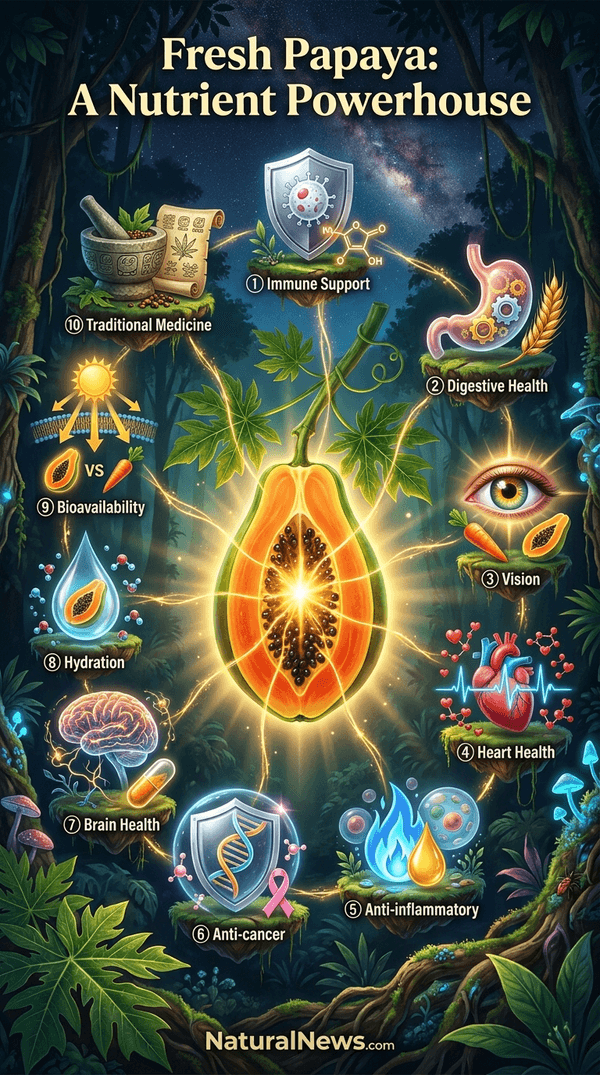
Explainer Infographic
Submit a correction >>
Tagged Under:
anticancer, antioxidants, digestion, eye health, fiber, food cures, food is medicine, food science, Fresh, fruits, functional food, grocery cures, gut health, health science, immune system, natural health, nutrients, papain, Papaya, phytonutrients
This article may contain statements that reflect the opinion of the author