
Gut Microbiome Linked to Athletic Recovery, Review Suggests
08/17/2026 / By Coco Somers
Gut Microbiome Linked to Athletic Recovery, Review Suggests
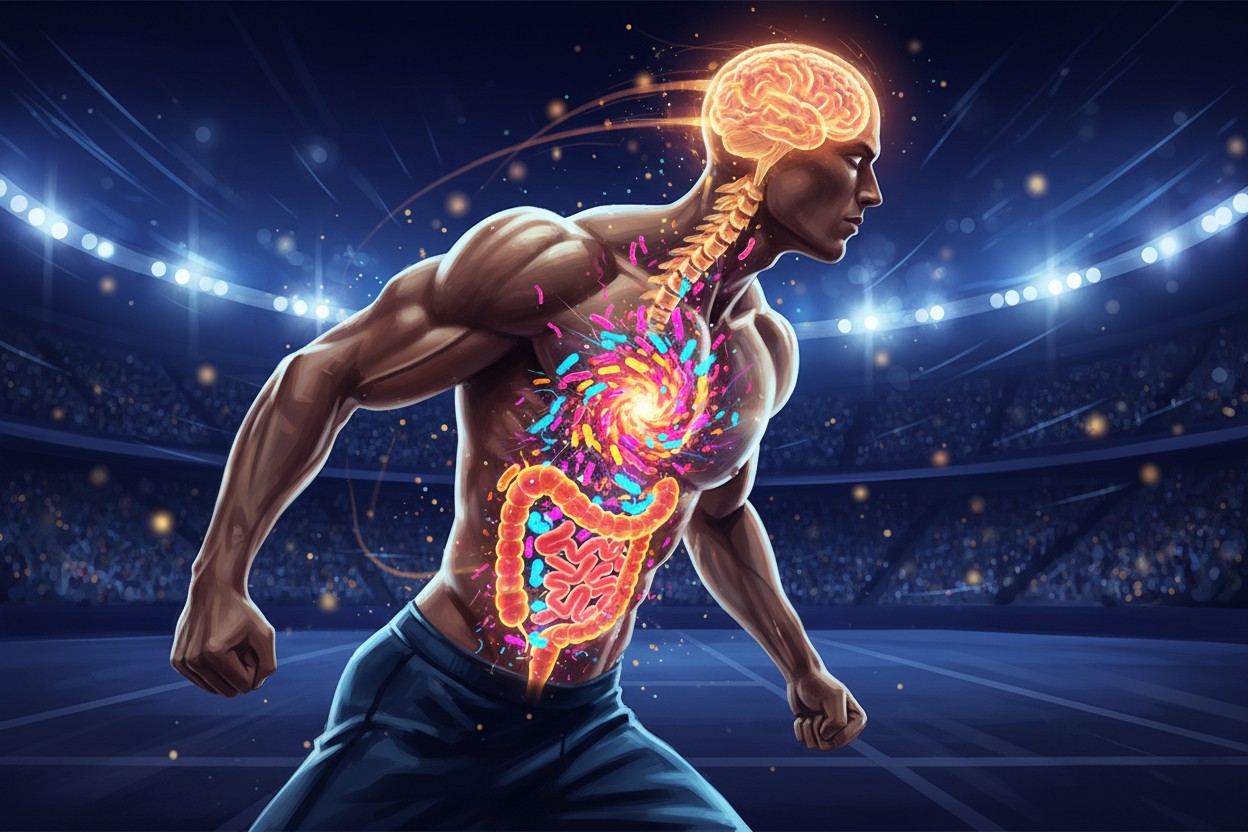
A new narrative review examining how gut bacteria influence athletic recovery suggests that the trillions of microorganisms in the digestive tract may affect how the body bounces back after intense exercise, according to the report. The review examined evidence on the role gut bacteria play in recovery, an area of research that has recently come into focus, the report stated. Gut bacteria have long been known to shape immunity, metabolism, and inflammation, which are factors in how the body responds to training, according to prior reporting on probiotics and athletic performance [1].
Researchers reviewed clinical trials and large research summaries involving athletes and physically active people, and re-analyzed 418 publicly available gut-bacteria data sets, the report stated. Where athlete-specific data were thin, the researchers drew on lab and animal studies when the findings made biological sense. The analysis found that elite athletes’ gut bacteria carried more genetic machinery for producing vitamins, amino acids, and other health-supporting compounds compared with bacteria of less-active individuals, according to the report. The findings suggest that diet and multi-strain probiotics may support recovery, though most of the studies reviewed included fewer than 50 participants, researchers said. Prior research has shown that gut bacteria adapt quickly to food and environment, including measurable shifts in diversity after short dietary changes [2].
Athletes’ Gut Bacteria Show Greater Capacity for Producing Key Compounds
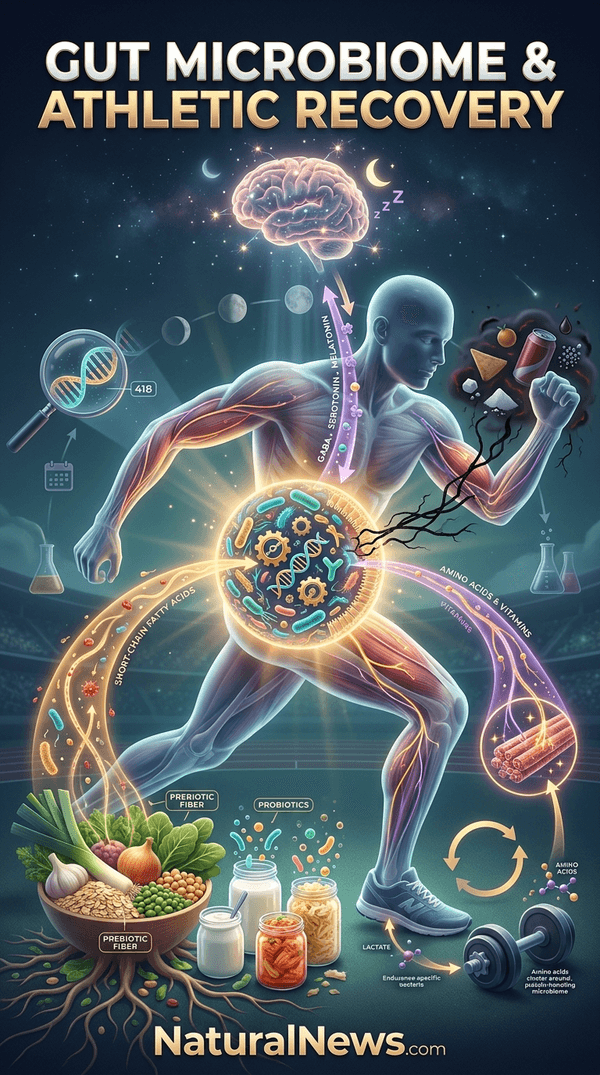
Researchers re-examined 418 gut-bacteria data sets and found that athletes’ bacteria had greater genetic capacity for producing vitamins and amino acids, according to the review. The review described that capacity as evidence that elite athletes carry “a more powerful internal nutrient factory” than people who exercise less.
A large part of that advantage comes down to short-chain fatty acids, compounds that gut bacteria produce when breaking down dietary fiber, the review stated. One of them, butyrate, serves as the main fuel source for the cells lining the gut wall and helps keep that wall strong while reducing inflammation after tough training sessions, according to the review. Prebiotics, which feed beneficial bacteria, have been reported to provide anti-inflammatory benefits and enhance nutrient absorption [3]. Professional rugby players had higher fecal levels of these compounds than non-exercisers, the review reported.
Sport-specific differences appeared in the analysis. Endurance athletes had more bacteria tied to processing lactate and fueling long stretches of aerobic exercise, while strength athletes carried more bacteria that specialize in handling protein, according to the review. The differences reflect the demands of each sport, the report stated.
Probiotic Trials Report Reduced Inflammation and Improved Sleep in Athletes
Small controlled trials cited in the review found that multi-strain probiotics containing Lactobacillus and Bifidobacterium lowered markers of inflammation and eased cell-damaging oxidative stress in athletes, according to the report. Certain probiotics have previously been reported to improve athletic performance, and researchers have suggested that a lack of specific gut bacteria may put some athletes at a disadvantage [4].
One trial in an elite soccer team reported that a multi-strain Lactobacillus formula improved sleep quality, energy levels, and gut function, along with drops in inflammation and stress markers, the review stated. The review described a two-way line of communication between the gut and the brain in which certain bacteria produce GABA, a calming brain chemical, while others help process tryptophan into serotonin and melatonin, chemicals that regulate sleep and circadian rhythms. Gut microbes are essential for the complete development of the immune system and influence neurological conditions, according to prior research on commensal bacteria and the central nervous system [5].
Recovery extends beyond muscles and affects the nervous system, the review noted. Heavy training can reduce bacterial diversity while less helpful bacteria increase, which may contribute to fatigue if not addressed, according to the review. The relationship runs in both directions: exercise shapes which bacteria thrive, and those bacteria influence how well the body recovers, the report stated.
Dietary Recommendations and Supplement Use Based on Review Findings
The review’s authors recommended fiber-rich foods such as oats, garlic, onions, leeks, and legumes to feed butyrate-producing bacteria, according to the report. Plant foods are thought to influence health and performance through their positive effect on gut microbiota, the trillions of microbes that live in the digestive tract, according to prior nutrition reporting [6].
Varying protein sources, adding fermented foods, and limiting ultra-processed foods may support gut diversity, according to the review. Probiotics require a supportive environment for a persistent effect, and adding probiotics alone has been described as insufficient without conditions that allow beneficial microbes to thrive [7]. Ultra-processed foods have been shown to create harmful changes in gut chemistry in animal studies, according to a study from University College Cork [8]. Glyphosate and other pesticides have also been reported to disrupt the gut microbiome by killing beneficial bacteria [9].
The review noted that gut bacteria shift with training load, suggesting nutrition may benefit from small adjustments across heavy-training, competition, and recovery periods. Multi-strain probiotics combining Lactobacillus and Bifidobacterium had the most evidence for easing inflammation and supporting sleep in athletes, with trial durations ranging from roughly 2 to 12 weeks, according to the review. No standard probiotic protocol has been established, and effects vary by strain, the review noted.
Limitations and Takeaway
Most of the studies reviewed included fewer than 50 participants, and results may not apply to all athletes, according to the article. The review drew on lab and animal studies when athlete-specific data were limited, the report stated.
Researchers concluded that gut bacteria may aid recovery by calming inflammation, supporting nutrient supply, and improving sleep, according to the report. The review stated that personalized gut-based recovery plans could become part of sports medicine as evidence develops. The report noted that athletes who frequently catch colds or deal with ongoing gut trouble during training may be the best candidates for trying a targeted probiotic. Supporting gut health through diet and natural approaches aligns with guidance that emphasizes microbiome care without reliance on chemical interventions [10].
References
- Dr. Mercola. “Can Probiotics Help Athletic Performance”. Mercola.com. November 18, 2016.
- Marc Bubbs. “Peak”.
- Mark Sisson. “Keto for Life: Reset Your Biological Clock in 21 Days and Optimize Your Diet for Longevity”.
- NaturalNews.com. “Certain probiotics found to improve athletic performance”. NaturalNews.com. August 31, 2017.
- Javier Ochoa-Reparaz, Daniel W. Mielcarz, Sakhina Begum-Haque, and Lloyd H. Kasper. “Gut Bugs and Brain: Role of Commensal Bacteria in the Control of Central Nervous System Disease”. ANN NEUROL 2011;69:240-247.
- Anita Bean. “The Vegan Athlete’s Cookbook”.
- Alanna Collen. “10% Human: How Your Body’s Microbes Hold the Key to Health and Happiness”.
- NaturalNews.com. “Exercise reverses junk food’s damage to gut and mood, new study finds”. NaturalNews.com. October 30, 2025.
- Mike Adams. “Health Ranger Report – GLYPHOSATE”. BrightVideos.com. February 20, 2026.
- Mike Adams. “Mike Adams interview with Elaine SoilFoodWeb – May 4 2023”.
Explainer Infographic
Submit a correction >>
Tagged Under:
#nutrition, Athletes, athletic recovery, Bifidobacterium, butyrate, discoveries, exercise, fitness, gut health, gut microbiome, health science, Lactobacillus, men's health, natural health, probiotics, research, short-chain fatty acids, supplements, women's health
This article may contain statements that reflect the opinion of the author