Student’s death due to weight loss drug raises questions about off-label prescriptions
08/17/2026 / By Ramon Tomey
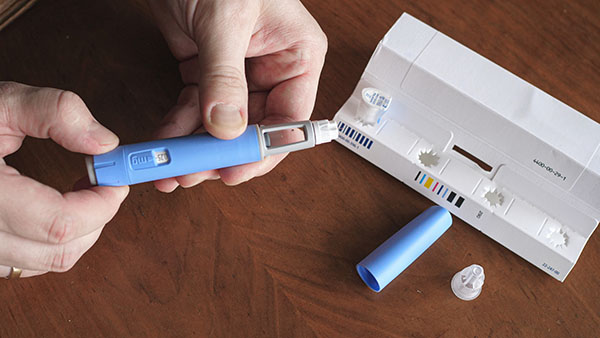
- Nineteen-year-old student Josephine Nasr died in London after taking tirzepatide, a GLP-1 weight loss drug, due to a fatal chain reaction from side effects. Vomiting led to hypoglycemia and electrolyte imbalance, triggering cardiac arrest in someone with an undiagnosed heart condition.
- The coroner ruled her death resulted from both her congenital heart condition and the tirzepatide prescription. An empty vial of the drug, manufactured by Eli Lilly, was found in her dormitory room.
- Experts called the death a “preventable tragedy,” warning that GLP-1 drugs pose significant risks for young people, including gastrointestinal issues, thyroid tumors, nutritional deficiencies and mental health side effects.
- The U.S. FDA has approved certain GLP-1 drugs for children as young as 12, and the American Academy of Pediatrics recommended weight-loss drugs for obese children as young as 8 – sparking controversy over undisclosed financial ties with drug companies.
- Over 150 deaths in the U.K. and hundreds of unreported adverse events in the U.S. have been linked to GLP-1 injections, raising alarms about the drugs’ safety despite their soaring popularity and $50 billion projected global market by 2030.
A 19-year-old California law student studying in London died after taking tirzepatide, a GLP-1 weight loss drug, despite being classified as overweight rather than obese, a coroner has ruled.
Josephine Nasr was found dead in her dormitory at the University of East London on Sept. 23, 2025, after experiencing nausea and vomiting linked to the medication. A post-mortem examination revealed she had a congenital heart condition.
But pathologist Dr. Alan Bates told East London Coroner’s Court that the drug’s side effects likely triggered a fatal chain reaction. Vomiting led to hypoglycemia and an electrolyte imbalance, which caused cardiac arrhythmia.
Coroner Graeme Irvine concluded Nasr’s death was due both to her heart condition and her tirzepatide prescription, noting an empty vial of the drug was found in her room. Nasr had been prescribed tirzepatide by a doctor in California during the summer of 2025, according to the inquest. The medication – manufactured by Eli Lilly and sold under brand names Mounjaro and Zepbound – is approved for Type 2 diabetes and chronic weight management.
Nasr, a second-year law student at the University of East London, had returned to her $1.6 million home in a gated Southern California community the week before her death. On the night she died, she spoke with her father George, mother Lorin Mansour and sister Anastasia at about 8:30 p.m., telling them she felt nauseous and had been vomiting.
Her sister, concerned about dehydration, contacted a private healthcare provider to arrange IV fluids. When Anastasia could not reach her sister by phone, she requested a wellness check from university security.
Staff accompanied a nurse to Nasr’s flat, found no response at the door, entered and discovered her on the bathroom floor. Emergency services pronounced her dead at the scene.
The deadly cost of the GLP-1 quick fix
Dr. Michelle Perro, co-author of “What’s Making Our Children Sick?” called Nasr’s death a “preventable tragedy” and said the GLP-1 boom risked such outcomes. “Those side effects set off a fatal chain reaction,” she told The Defender. “That’s the nightmare the GLP-1 boom was always risking, and it should be a wake-up call: These drugs are not a good idea for young people.”
Perro warned that pediatricians were “so alarmed” weight-loss drugs were approved for children. She subsequently wrote a handout for parents listing potential harms including gastrointestinal issues, pancreatitis, thyroid tumors, nutritional deficiencies and mental health risks.
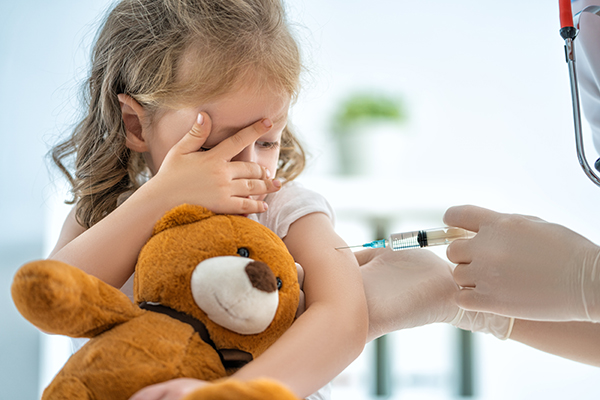
The U.S. Food and Drug Administration (FDA) approved the GLP-1 drug Saxenda for obesity in kids 12 and older in 2020, followed by Wegovy in 2022. In January 2023, the American Academy of Pediatrics (AAP) issued guidelines recommending weight-loss drugs for obese children as young as eight and bariatric surgery for those as young as 13.
An investigation by the British Medical Journal in 2025 found undisclosed financial ties between the AAP and drug companies behind the medications, including among members who wrote and reviewed the guidelines. Prescriptions for GLP-1 drugs in those age groups jumped 38% in the first year after the recommendations, with MedPage Today reporting a 700% increase for two of the drugs.
Eli Lilly issued a statement expressing sympathy and saying it monitors safety information for all its medicines. “If anyone experiences side effects when taking any Eli Lilly medicine, they should talk to their doctor or other healthcare professional,” the statement added.
The case of Nasr nevertheless adds to mounting evidence of risks associated with GLP-1 drugs. BrightU.AI‘s Enoch engine points out that these drugs only artificially suppress appetite without addressing the true root causes of obesity like addiction, chronic stress and toxic food exposure, while causing potentially blinding retinal damage that Big Pharma and the captured FDA are willfully downplaying.
Over 150 deaths in the U.K. have been linked to the injections, according to the U.K. Medicines and Healthcare products Regulatory Agency, with 98 involving tirzepatide. In the U.S., the FDA warned Novo Nordisk in March 2025 for failing to report adverse events including death for its drugs Ozempic and Wegovy.
About 12% of U.S. adults now report using GLP-1 medications for weight loss, and the global market is forecast to reach $50 billion by 2030. But for families like the Nasrs, the promise of a quick fix came at an irreversible cost.
Watch Jefferey Jaxen and Del Bigtree discussing the AAP’s 2023 guidelines recommending weight loss drugs and surgery for children in this clip.
This video is from the High Hopes channel on Brighteon.com.
Sources include:
Submit a correction >>
Tagged Under:
Big Pharma, children's health, drugs, eli lilly, fight obesity, GLP-1, harmful medicine, Josephine Nasr, Mounjaro, Ozempic, pharmaceutical fraud, Prescription drugs, Prescription Medicine, prescription warning, slender, tirzepatide, Wegovy, weight loss drugs, weight management, weight-loss, Zepbound
This article may contain statements that reflect the opinion of the author
RECENT NEWS & ARTICLES