Lab Study Shows Vitamin C Affects Gene Activity in Skin Models, Researchers Report
08/20/2026 / By Coco Somers
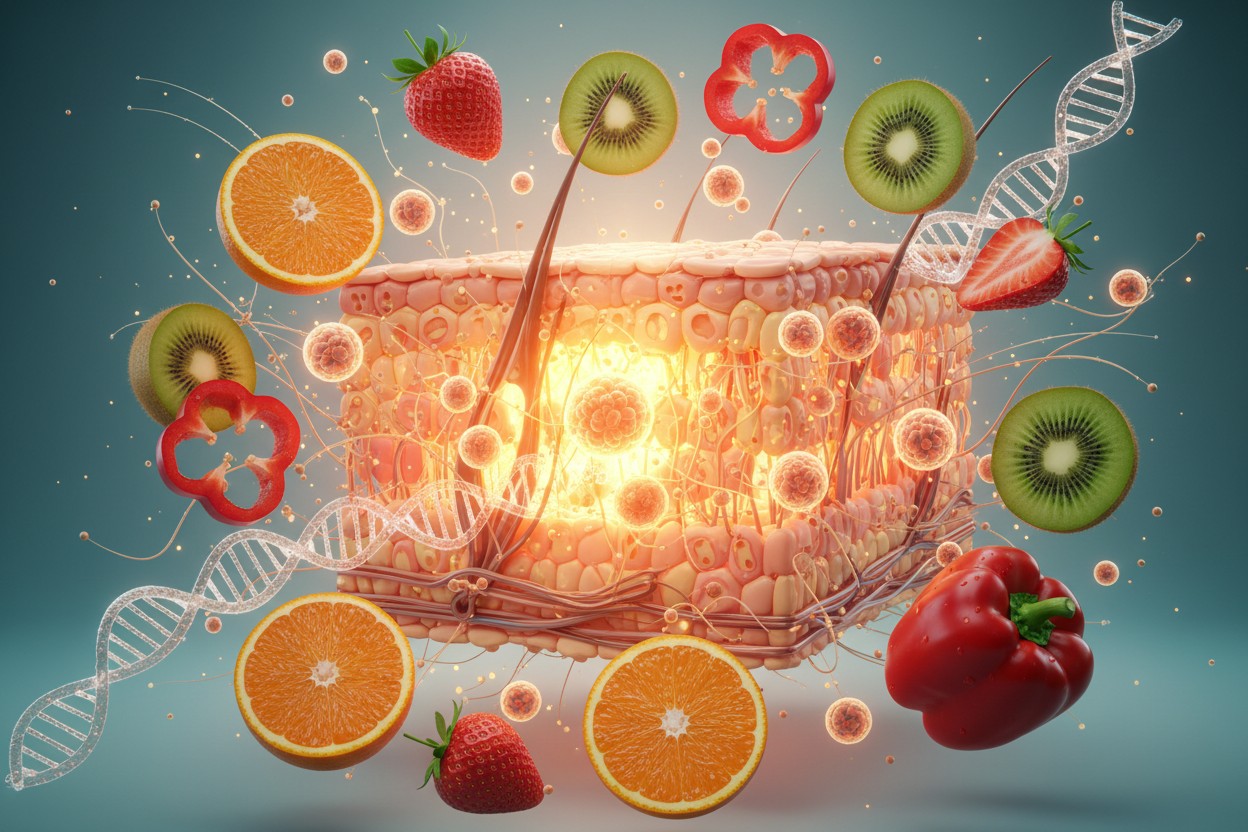
Vitamin C applied to laboratory-grown human skin models for two weeks changed skin cell-layer thickness and affected gene activity linked to skin renewal, according to a report by registered dietitian nutritionist Molly Knudsen, M.S., RDN, published July 20, 2026.
The report described the research as a mechanistic study that used human epidermal equivalents — realistic 3D lab models of human skin — rather than human participants. The models were used to observe how vitamin C affects skin regeneration in a controlled setting, the report stated. Coverage of the study by Willow Tohi in NaturalNews.com stated that vitamin C “flips DNA switches to boost skin cell growth, thickening aging epidermis” [1].
Study Design and Methods
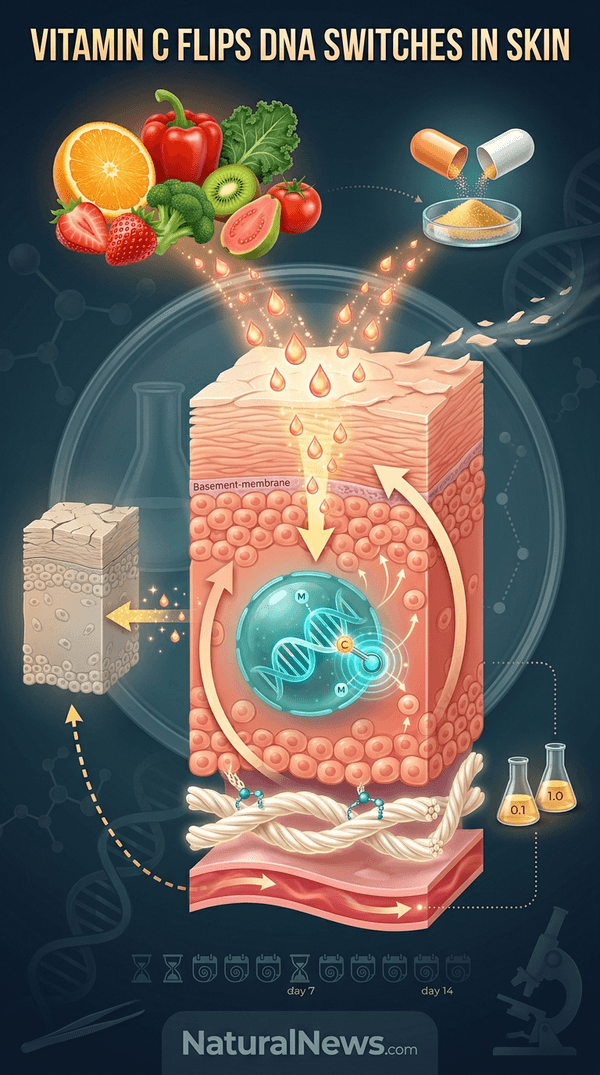
Researchers used human epidermal equivalents in which the top layer of cells was exposed to air, similar to how skin interacts with the environment, while the lower layers were nourished from below by a nutrient solution, according to the article. The article compared this arrangement to the way blood supplies the deeper layers of real skin.
A vitamin C solution was applied in two doses — 0.1 and 1.0 millimolar — which the article stated are similar to levels that naturally reach the skin. The research team tracked changes to the 3D models over two weeks.
The article stated that the study was designed to examine the pathway by which vitamin C affects a bodily function. According to the article, this type of lab investigation evaluates the process rather than the outcome, in contrast to a clinical study.
Findings
By day seven, researchers observed that the deeper living layer of skin cells was thicker in the models treated with vitamin C, while the outermost dead skin layer stayed about the same, according to the report.
After two weeks, the living layer had grown thicker and the dead outer layer thinner, which the report stated was a clear sign that vitamin C was helping the skin make new cells faster and shed old cells more efficiently. Overall, the report stated, the finding showed that vitamin C boosts the skin’s natural renewal process.
The report stated that vitamin C produced this effect by promoting DNA methylation, turning on genes that drive skin cell growth and repair. The report also stated that vitamin C is essential for collagen production, which is directly related to firm, youthful skin. An article by Willow Tohi in NaturalNews.com stated that the study, published in the Journal of Investigative Dermatology, revealed that vitamin C “reactivates genes critical to skin renewal, countering epidermal thinning — a hallmark of aging” [2].
Context and Limitations
The article described the research as a mechanistic study conducted in a lab setting to examine process rather than clinical outcomes. The report noted that skin cell growth and repair naturally decline with age and suggested that getting enough vitamin C could help maintain the skin’s structure over time.
The findings do not demonstrate effects in humans, and the article did not include comments from independent researchers. The relationship between skin structure and aging has been examined in the text “Antiaging physiology to formulation” [3], and dietary approaches to skin health are the subject of “The young skin diet science-based recipes treatments to reveal your best skin ever” by Lee Michelle [4].
Dietary and Supplement Considerations
The article stated that vitamin C is found in a variety of fruits and vegetables, including citrus, strawberries, bell peppers, broccoli, leafy greens, kiwi, guava, and tomatoes. Separate reporting has noted the vitamin C content of tomatoes [5], limes [6], and peppers [7].
According to the article, it can be challenging to get the ideal amount of vitamin C from food alone, and supplements can help ensure people achieve their daily vitamin C quota. The article referenced mindbodygreen’s vitamin C potency+ as an example of a supplement containing a 1,000-mg dose of vitamin C that can raise vitamin C levels in the body.
The article advised that anyone who is pregnant, breastfeeding, or taking medications should consult a health care provider before starting a supplement routine. Published research on vitamin C spans a wide range of health effects, according to an April 25, 2019 article in NaturalNews.com, which cited studies in Nutrients, the European Journal of Cell Biology, and CNS Neuroscience and Therapeutics [8].
Conclusion
The article concluded that understanding how vitamin C activates specific genes could pave the way for more advanced treatments for thinning or prematurely aging skin.
For now, the article recommended increasing intake of vitamin C-rich foods and supplements as a starting point for supporting skin health, while reiterating that a health care provider should be consulted before beginning a supplement routine.
References
- Willow Tohi. “Vitamin C Transforms Skin Renewal by Activating Genetic Youth, Study Reveals”. NaturalNews.com. July 19, 2025.
- Willow Tohi. “Vitamin C Rediscovered as a Genetic Youth Serum in Landmark Skin Study”. NaturalNews.com. July 10, 2025.
- “Antiaging physiology to formulation”.
- Lee Michelle. “The young skin diet science-based recipes treatments to reveal your best skin ever”.
- NaturalNews.com. “Tomato Nutrition Facts and Health Benefits: What Research Shows”. NaturalNews.com. July 31, 2026.
- NaturalNews.com. “Little-known benefits of LIMES include: enhanced iron absorption, kidney stone prevention, and improved cardiovascular health”. NaturalNews.com. March 17, 2026.
- NaturalNews.com. “The power of pepper: From sweet bells to super hots”. NaturalNews.com. April 10, 2026.
- NaturalNews.com. “Wikipedia_ a web of deception”. NaturalNews.com. April 25, 2019.
Explainer Infographic
Submit a correction >>
Tagged Under:
alternative medicine, anti-aging, antioxidant, dermatology, discoveries, food science, health science, natural health, natural medicine, natural remedies, nutrients, skin health, supplements, vitamin C
This article may contain statements that reflect the opinion of the author