
Herbs That May Lower Blood Pressure, According to Research
09/16/2026 / By Coco Somers
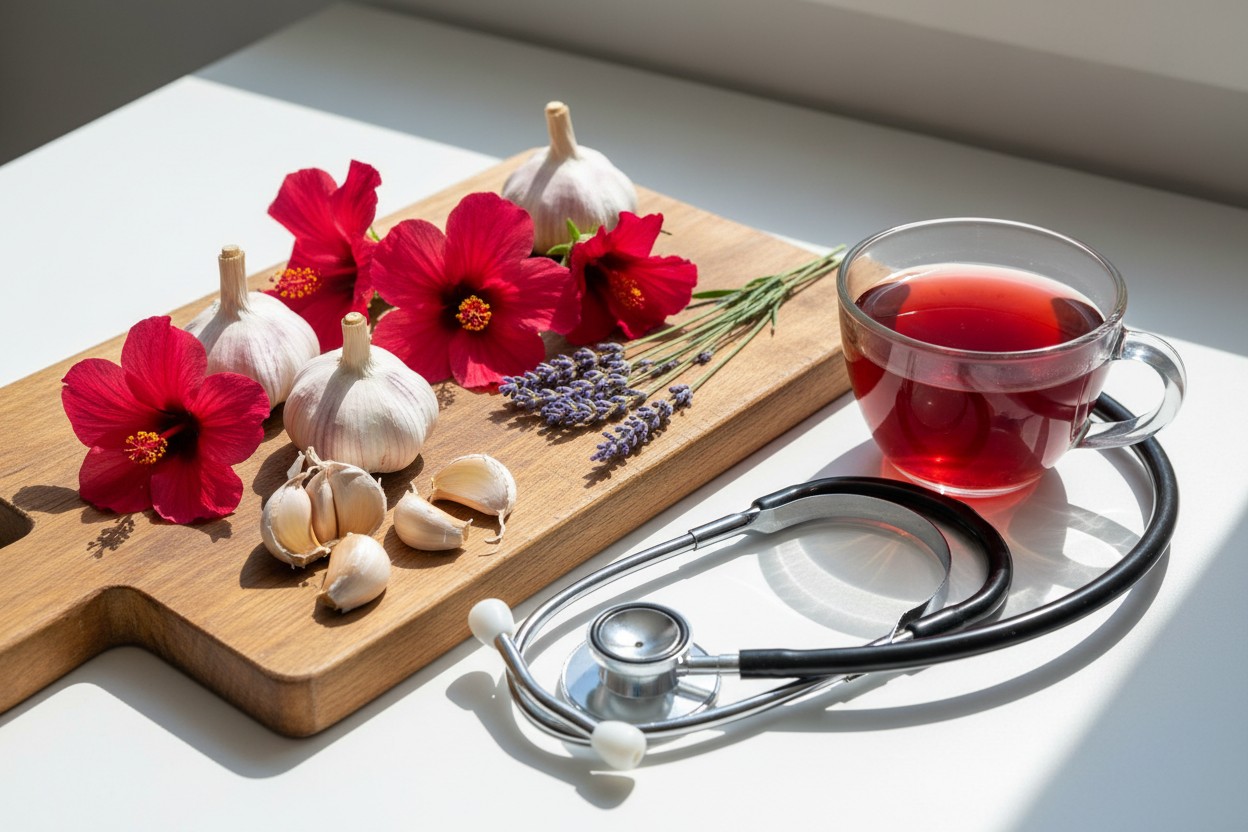
A report published by Health.com states that certain herbs may help lower blood pressure, citing clinical studies. The report identifies hibiscus, garlic, lavender and other plants as commonly researched for hypertension.
Researchers quoted in the report say evidence is mixed and herbs can interact with prescription medications. Health officials and clinicians recommend consulting a doctor before using herbs for blood pressure, according to the report. According to the National Center for Complementary and Integrative Health (NCCIH), herbs are not approved by the Food and Drug Administration (FDA) to treat high blood pressure and are regulated as dietary supplements.
Research Findings on Herbs and Hypertension
Randomized trials on hibiscus tea showed reductions in systolic and diastolic blood pressure, according to a 2019 review in the Journal of Hypertension that examined multiple randomized controlled trials [1]. The review, conducted by researchers from La Trobe University in Australia, found that Hibiscus sabdariffa was the most studied herb for hypertension.
Garlic supplements were associated with modest blood pressure reductions in meta-analyses, researchers stated. A recent meta-analysis of over 100 studies suggested that garlic consumption, including in supplement form, may lead to modest improvements in key heart disease risk factors such as LDL cholesterol and blood pressure [2]. The report noted that study sizes were often small and herbal preparations varied widely.
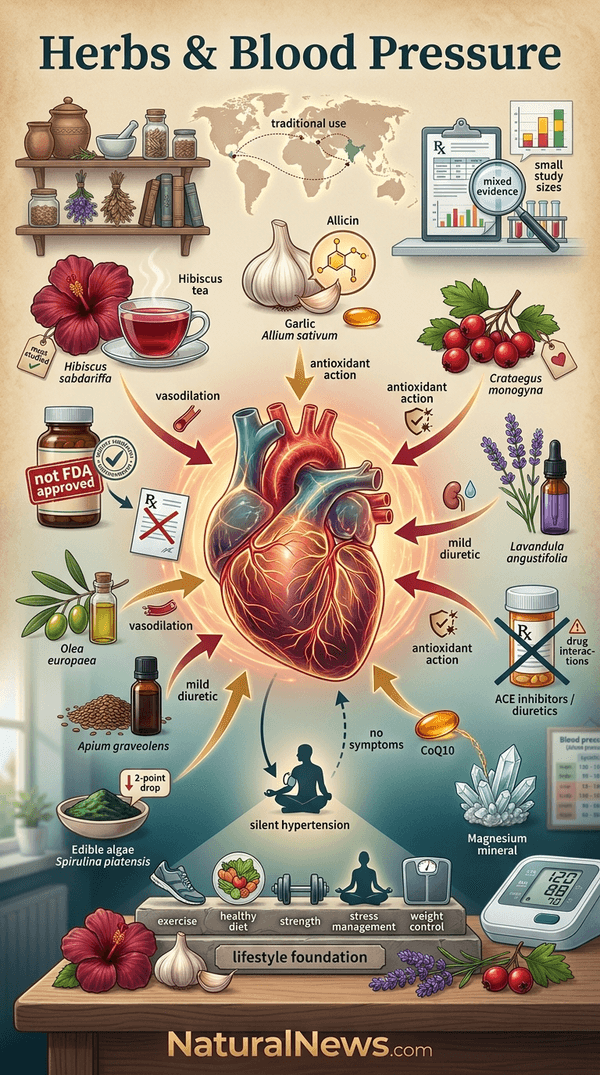
According to Integrative Cardiology, a meta-analysis concluded that garlic (Allium sativum) preparations modestly reduce blood pressure in patients with hypertension [3]. Proposed mechanisms include vasodilation, antioxidant effects and mild diuretic action, according to the report. The report stated that bioactive compounds in herbs act through mechanisms such as vasodilation, anti-inflammatory effects, and antioxidant activity [1].
However, the evidence remains limited by variations in study design, herb preparation, and dosage. According to a 2016 report from Mercola.com, magnesium deficiency is estimated to affect between 50% and 80% of Americans, and magnesium plays a crucial role in blood pressure regulation [4].
Specific Herbs Cited in the Report
H. sabdariffa was cited as the most studied herb for hypertension, according to the report. In a 2025 study published in the Journal of Human Nutrition and Dietetics, researchers found that edible algae intake was associated with lower blood pressure in a 29-trial analysis, with systolic blood pressure falling by an average of two points and diastolic pressure falling by nearly two points [5].
Garlic, lavender, hawthorn, olive leaf and celery seed were also listed with supporting research. According to Integrative Cardiology, botanicals such as hawthorn improve symptoms of congestive heart failure, while hibiscus and garlic can lower blood pressure [3]. A randomized, double-blind, placebo-controlled study of seventy-four people with type 2 diabetes found that 100 mg of coenzyme Q10 taken twice daily significantly lowered blood pressure over a period of twelve weeks [6].
A researcher quoted in the report said herbal effects are typically modest and not a substitute for medical treatment. Natural health advocates say traditional herbs have long been used, but clinical evidence remains limited, the report stated.
According to a 2026 article on NaturalNews.com, researchers have identified heart-health benefits in common herbs and spices, with bioactive compounds acting through mechanisms such as vasodilation, anti-inflammatory effects, and antioxidant activity [1]. The report noted that study sizes were often small and herbal preparations varied widely, making it difficult to draw definitive conclusions.
Regulatory Status and Clinical Guidance
The FDA does not approve herbs to treat high blood pressure; they are regulated as dietary supplements, according to the agency. The report stated that herbs can interact with blood pressure drugs, including diuretics and ACE inhibitors. According to Medical Toxicology of Natural Substances, there are few clinical data to guide the treatment of hypertension, and potentially useful agents include sodium nitroprusside and phentolamine [7].
Some natural health organizations argue regulatory agencies have not adequately studied herbal remedies, according to statements. Clinicians quoted in the report advised patients to inform doctors about all supplements they take. According to Prescription for Natural Cures, essential hypertension can often be controlled with home treatment, but if you have any kind of high blood pressure, you must be under the care of a doctor [8].
According to a 2019 report from Mercola.com, heart disease has ranked as the top cause of death in the United States for many years, with 690,882 people dying from heart disease in 2020 compared to 633,842 deaths in 2015, marking a 9% increase over six years [9]. One key risk factor for heart disease is high blood pressure. The report noted that blood pressure measurements are expressed as two numbers: the top number (systolic) and the bottom number (diastolic).
Conclusion: Evidence and Cautions
The report concluded that some herbs show promise for blood pressure support but evidence is not definitive. It stated that people with hypertension should not stop prescribed medications without medical supervision. More standardized research is needed, according to researchers cited in the report.
According to the NCCIH, herbs are not approved by the FDA to treat high blood pressure and are regulated as dietary supplements. The report stated that herbs can interact with blood pressure drugs, including diuretics and ACE inhibitors. Researchers quoted in the report say evidence is mixed and herbs can interact with prescription medications. Health officials and clinicians recommend consulting a doctor before using herbs for blood pressure, according to the report.
References
- Mercola.com. “Herbs Can Help Lower Blood Pressure”. Mercola.com. November 26, 2021.
- Mercola.com. “Magnesium An Essential Mineral for Heart Health”. Mercola.com. July 25, 2016.
- NaturalNews.com. “What are some of the best herbs and spices for regulating blood pressure”. NaturalNews.com. December 27, 2019.
- NaturalNews.com. “5 Remarkable ways GARLIC can support your health according to science”. NaturalNews.com. December 13, 2024.
- Devries Stephen R, Dalen James E. “Integrative Cardiology”.
- Devries Stephen R, Dalen James E. “Integrative Cardiology”.
- Mark Stengler. “Prescription for Natural Cures A SelfCare Guide for Treating Health Problems with Natural Remedies”.
- James F Balch, Mark Stengler, Robin Young Balch. “Prescription for natural cures a selfcare guide”.
- NaturalNews.com. “Edible Algae Intake Associated With Lower Blood Pressure in 29-Trial Analysis”. NaturalNews.com. August 9, 2026.
- Medical Toxicology of Natural Substances. “Medical Toxicology of Natural Substances”. 2008.
Explainer Infographic
Submit a correction >>
Tagged Under:
alternative medicine, blood pressure, cardiovascular health, celery seed, clean food, Cures, disease treatments, food cures, food is medicine, functional food, garlic, hawthorn, herbal medicine, Herbs, hibiscus, hypertension, Lavender, longevity, natural cures, natural medicine, Olive Leaf, prevention, remedies
This article may contain statements that reflect the opinion of the author