
Report: Metabolism and Gut Health Linked to Healthy Weight Maintenance
10/11/2026 / By Patrick Lewis
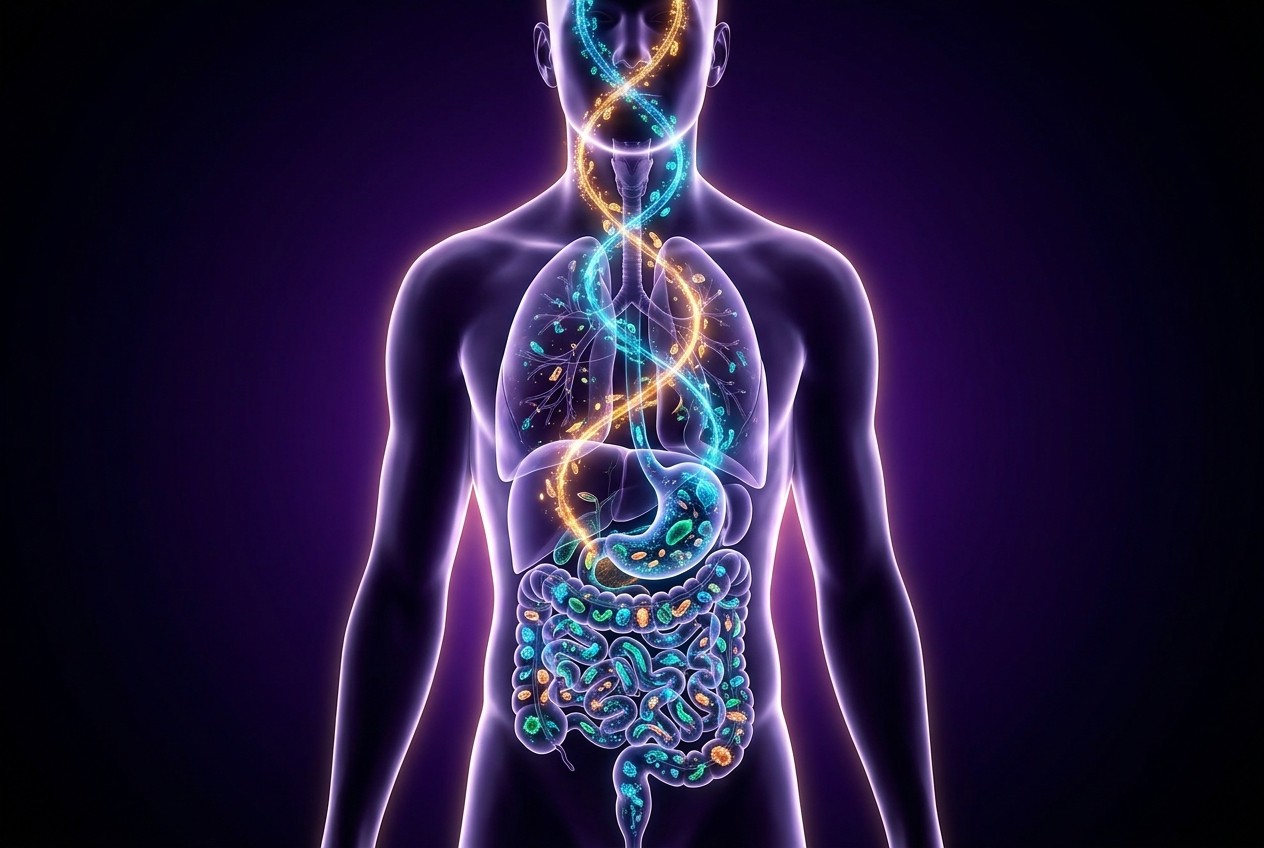
An article published in mindbodygreen states that research shows a healthy microbiome can reduce systemic inflammation – which can support weight-maintenance goals – and that supporting metabolism in healthy ways is key to maintaining weight goals [1].
The report draws on existing research on the gut microbiome and energy metabolism, including reviews outlining the role of the gut microbiome in weight management and bidirectional influences between the microbiome and weight-management tools [2].
Gut Health’s Role in Metabolism and Weight
A 2016 review in a peer-reviewed journal described the gut microbiota as a target for new therapies to combat obesity because of its role in regulating metabolism, according to the review [3]. A systematic review examined the association between intentional weight loss and changes in the gut microbiota and intestinal permeability, noting that the gut microbiome may be a mediator between obesity and health outcomes [4].
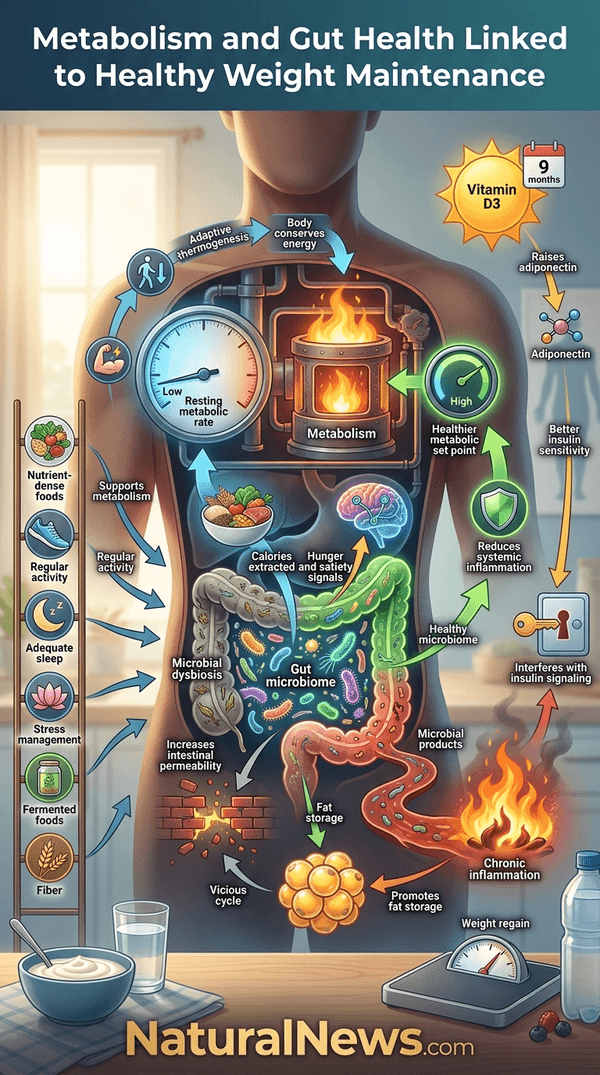
In a book on the whole-body microbiome, the authors describe how microbial dysbiosis in obese individuals leads to increased intestinal permeability, allowing microbial products to seep into the body and trigger chronic inflammation [5].
Weight Maintenance Challenges After Weight Loss
After weight loss, metabolism naturally adapts to run on less fuel, meaning the body needs less energy to function than before, according to the report [1]. The article says this adaptation can make weight regain easy if individuals are not aware of the process, the report stated [1].
However, the mindbodygreen piece is not the first to address the difficulty of weight maintenance. A separate web summary of gut-health and weight-balance research notes that a holistic approach looks at the health of the gut and aims to heal and keep the gut healthy using diet, lifestyle, supplements and integrative therapies, and that understanding how the gut influences appetite, metabolism and weight can help individuals take control of their health [6].
Metabolism and Daily Vitamin D3 Intake
Separately, a randomized clinical trial published in the journal Menopause examined how nine months of daily vitamin D3 supplementation affected metabolic health markers in women ages 50 to 65 with confirmed vitamin D deficiency, focusing on adipokine hormones including adiponectin, which is associated with better insulin sensitivity, according to a report on the trial [7].
References
- Why Metabolism and Gut Health Are Key For Reaching a … https://www.mindbodygreen.com/articles/why-metabolism-and-gut-health-are-key-for-reaching-healthy-weight
- Roles of the gut microbiome in weight management – PMC. https://pmc.ncbi.nlm.nih.gov/articles/PMC13306846/
- The Gut Microbiota: The Gateway to Improved Metabolism. https://pmc.ncbi.nlm.nih.gov/articles/PMC5127273/
- The association of weight loss with changes in the gut microbiota …. https://pmc.ncbi.nlm.nih.gov/articles/PMC8796717/
- The Whole-Body Microbiome. by Brett Finlay Jessica Finlay
- The Relationship Between Gut Health and Weight Balance. https://www.rupahealth.com/post/the-relationship-between-gut-health-and-weight-balance
- Supplementing with Vitamin D found to support hormones and metabolic health in women over 50. https://www.naturalnews.com/2026-09-28-vitamin-d-supports-hormones-metabolic-health-women.html
Explainer Infographic
Submit a correction >>
Tagged Under:
alternative medicine, digestion, digestive health, fight obesity, gut health, gut microbiome, healing, health science, longevity, metabolism, natural health, remedies, slender, weight management
This article may contain statements that reflect the opinion of the author