
The healing power of Jasmine essential oil: A comprehensive guide
10/13/2026 / By Laura Harris
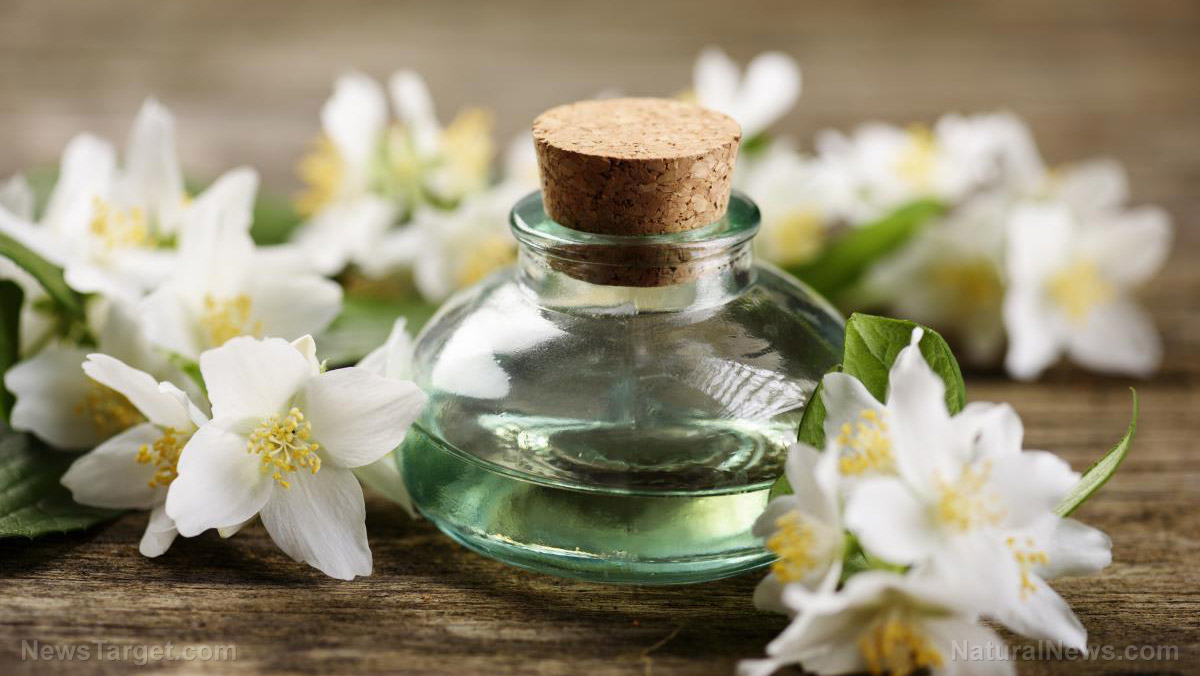
- Jasmine (Jasminum sambac) is a flowering plant native to South Asia and the Middle East, valued for its sweet, fragrant flowers used in essential oils, perfumery and traditional medicine.
- Jasmine has been used in various cultures for thousands of years, symbolizing purity and love, and has applications in religious ceremonies, aromatherapy and traditional medicine.
- Jasmine essential oil offers numerous benefits, including promoting emotional well-being, enhancing skin health, improving sleep quality, providing pain relief and supporting digestive health.
- Jasmine essential oil is available as a supplement in various forms, such as aromatherapy oils, skincare products and bath oils. Proper dosing and usage guidelines are crucial for safe application.
- Essential oils should be used with caution, diluted before application and under the guidance of a healthcare professional, especially for those who are pregnant, nursing or have pre-existing medical conditions. Internal consumption of jasmine essential oil should be avoided due to potential toxicity.
Jasmine, scientifically known as jasminum sambac, is a flowering plant native to South Asia and the Middle East. It is a deciduous shrub that can grow up to two meters tall, with small, white and fragrant flowers. The flowers are the primary source of jasmine essential oil, which is extracted through steam distillation. The resulting oil is a rich, golden-yellow liquid with a warm, sweet and floral scent that is highly prized in aromatherapy and perfumery.
History and cultural significance
Jasmine has a rich history in various cultures, dating back thousands of years. In ancient India, jasmine was considered a sacred flower, often used in religious ceremonies and as an offering to deities. The flower is also a symbol of purity and love in many Eastern cultures, making it a popular choice for weddings and other celebratory events.
In aromatherapy, jasmine has been used for centuries to promote emotional and physical well-being. Its use in traditional medicine is widespread, with applications ranging from skin care to treating anxiety and insomnia.
Benefits of jasmine in human health
Jasmine essential oil offers a myriad of benefits for human health, making it a valuable addition to any wellness routine. Some of the key benefits include:
- Emotional well-being: Jasmine is known for its calming and uplifting properties. It can help reduce feelings of stress, anxiety and depression by stimulating the release of serotonin and dopamine, the natural mood-regulating hormones of the body.
- Skin health: Jasmine oil is a powerful antioxidant, helping to protect the skin from free radical damage. It can also promote cell regeneration, making it an excellent choice for anti-aging skincare routines. Additionally, its antimicrobial properties can help treat acne and other skin irritations.
- Sleep quality: The soothing scent of jasmine can help improve sleep quality by reducing stress and promoting relaxation. It is often used in aromatherapy to treat insomnia and other sleep disorders.
- Pain relief: Jasmine oil has analgesic properties that can help reduce pain and inflammation. It is particularly effective in treating headaches, muscle aches and menstrual cramps.
- Digestive health: When used topically or inhaled, jasmine can help stimulate digestion and reduce symptoms of indigestion, such as bloating and nausea.
Availability and consumption as a supplement
Jasmine essential oil is widely available as a supplement in the form of aromatherapy oils, skincare products and bath oils. It is important to note that essential oils should be used with caution and under the guidance of a healthcare professional. They are highly concentrated and should be diluted before application to the skin.
When using jasmine essential oil, it is essential to follow proper dosing guidelines. In aromatherapy, a general rule of thumb is to use two to five drops of jasmine oil in a diffuser or carrier oil for topical application. For skincare, a few drops can be added to a moisturizer or face cream.
However, it is crucial to consult with a healthcare professional before using jasmine essential oil, especially if you are pregnant, nursing or have a pre-existing medical condition. Additionally, avoid using jasmine essential oil internally, as it can be toxic if ingested.
Discover the benefits of jasmine essential oil by visiting NaturalNews.com, where you can read informative articles about superfoods and their health advantages.
Watch this video to learn more about essential oils.
This video is from TheOilCoach channel on Brighteon.com.
Sources include:
Submit a correction >>
Tagged Under:
alternative medicine, aromatherapy, essential oils, health science, herbal medicine, Herbs, jasmine, natural cures, natural health, natural medicine, Naturopathy, phytonutrients, plant medicine, remedies
This article may contain statements that reflect the opinion of the author