TEN soothing digestive aids that get to the root of gastrointestinal issues
02/25/2026 / By Lance D Johnson

For millions, a quiet meal can become a source of significant distress. A bite of food, rather than nourishment, triggers a cascade of discomfort: bloating, sharp pains, relentless heartburn, or urgent trips to the bathroom. The search for relief often leads to a labyrinth of medications with their own side effects, leaving many feeling hopeless. Yet, a growing body of evidence and centuries of traditional wisdom point to a different path, one derived from nature. From ancient herbs like marshmallow root, gentian root, and ginger root to modern supports like activated charcoal and digestive enzymes, a host of natural substances are proving to be powerful allies in restoring digestive peace, offering not just symptom management but a path to genuine healing from within.
Key points:
- Digestive distress has myriad causes, from enzyme deficiencies and low stomach acid to bacterial imbalances and dietary triggers, requiring a multifaceted approach to treatment.
- Natural supplements like digestive enzymes, probiotics, magnesium, and targeted herbs can address root causes by improving nutrient breakdown, soothing inflammation, and healing the gut lining.
- Slippery elm bark and marshmallow root soothe the mucous membranes in the gastrointestinal tract.
- Aloe vera proves to be a game changer, adding gut restorative polysaccharides.
- Activated charcoal works as an acute medicine to resolve bacterial infections and other drugs and poisons in the GI tract.
- Lifestyle and dietary adjustments, including mindful eating, proper hydration, and avoiding irritants, are critical companions to any supplemental regimen for lasting gastrointestinal health.
Role of digestive enzymes and aloe vera polysaccharides
The human digestive system is a complex ecosystem, a feat of biological engineering that can be disrupted by an astonishing array of factors. Beyond the usual suspects of spicy foods and stress, issues can stem from insufficient stomach acid, hidden food intolerances, a lack of beneficial probiotic bacteria, or even side effects from common medications. When this system falters, the consequences ripple outward, affecting energy, immunity, and overall well-being.
Central to this process are digestive enzymes, the biological keys that unlock nutrients from food. Without sufficient amylase, protease, and lipase, the body struggles to break down carbohydrates, proteins, and fats. This deficiency can lead to malabsorption, where the body is starved of nutrients even from a healthy diet, and to the fermentation of undigested food particles, causing gas and bloating. Supplementing with broad-spectrum digestive enzymes, particularly with meals, can provide crucial support. Among these, bromelain, derived from pineapple stems, stands out. It is a proteolytic enzyme that aids protein digestion throughout the entire digestive tract and has been shown to reduce gut inflammation by lowering pro-inflammatory cytokines, offering specific benefits for conditions like Crohn’s disease and ulcerative colitis.
The environment these enzymes work in is equally important. Betaine hydrochloride (HCL) can help optimize stomach acidity, which is essential for activating protein-digesting enzymes and absorbing minerals like iron and zinc. Ironically, zinc itself is necessary to produce stomach acid, creating a cycle where deficiency begets further deficiency. This interconnectedness highlights why a holistic approach is often needed.
Centeral to this approach should be the inclusion of aloe vera. A randomized, double-blind, placebo-controlled study published in the Journal of Research in Medical Sciences investigated aloe vera’s effect on patients with irritable bowel syndrome (IBS). The research found that over the course of a month, subjects who consumed aloe vera gel showed a significant reduction in the pain and discomfort associated with IBS, without adverse effects, leading the authors to conclude it is a safe and effective treatment for this common gastrointestinal disorder. This aligns with the established understanding from sources like Pharmacognosy Reviews, which notes that the active compounds, enzymes, and polysaccharides in aloe vera’s inner leaf gel support digestive function and mucosal health.
Barks and roots that restore gastrointestinal function
Beyond digestion, protection and repair are vital. Slippery elm bark, a remedy cherished by Native American tribes, forms a soothing film over mucous membranes in the esophagus and stomach. This demulcent action protects against irritation from stomach acid and aids in healing inflamed tissue. Similarly, marshmallow root contains mucilage that coats and soothes the digestive tract, reducing inflammation and irritation. Historical records from ancient Greece and Rome show marshmallow was used to treat wounds and sore throats, principles that apply directly to internal gut lining repair today. Gentian root, a bitter herb used in European traditions for centuries, works on a different principle. Its intense bitterness stimulates taste receptors that trigger a reflex increase in saliva, stomach acid, and digestive enzyme production, priming the entire system for efficient digestion when taken before meals.
For acute issues like gas, bloating, or suspected food poisoning, activated charcoal acts as a rapid-response agent. Its microscopically porous surface has a massive surface area, allowing it to trap and carry away gas, toxins, and chemicals as it passes through the gut. It is so effective at adsorption that it has been a standard treatment in emergency rooms for certain types of poisoning for decades.
Meanwhile, ginger root offers dynamic relief. It not only helps calm nausea but also possesses gastroprotective qualities. Research indicates it can block excess acid and combat H. pylori bacteria. For those with slow digestion, ginger enhances gastric motility, helping to move food from the stomach to the small intestine more efficiently and relaxing intestinal muscles to prevent constipation.
Other herbs bring their own specialized strengths. Oregon grape root, which contains the compound berberine, exhibits strong antimicrobial and anti-inflammatory properties, helping to manage bacterial overgrowth and calm an irritated gut lining. It continues the tradition of bitter herbs like goldenseal, which must be used in short cycles to avoid potential side effects.
Probiotics and faecal microbiota transplantation
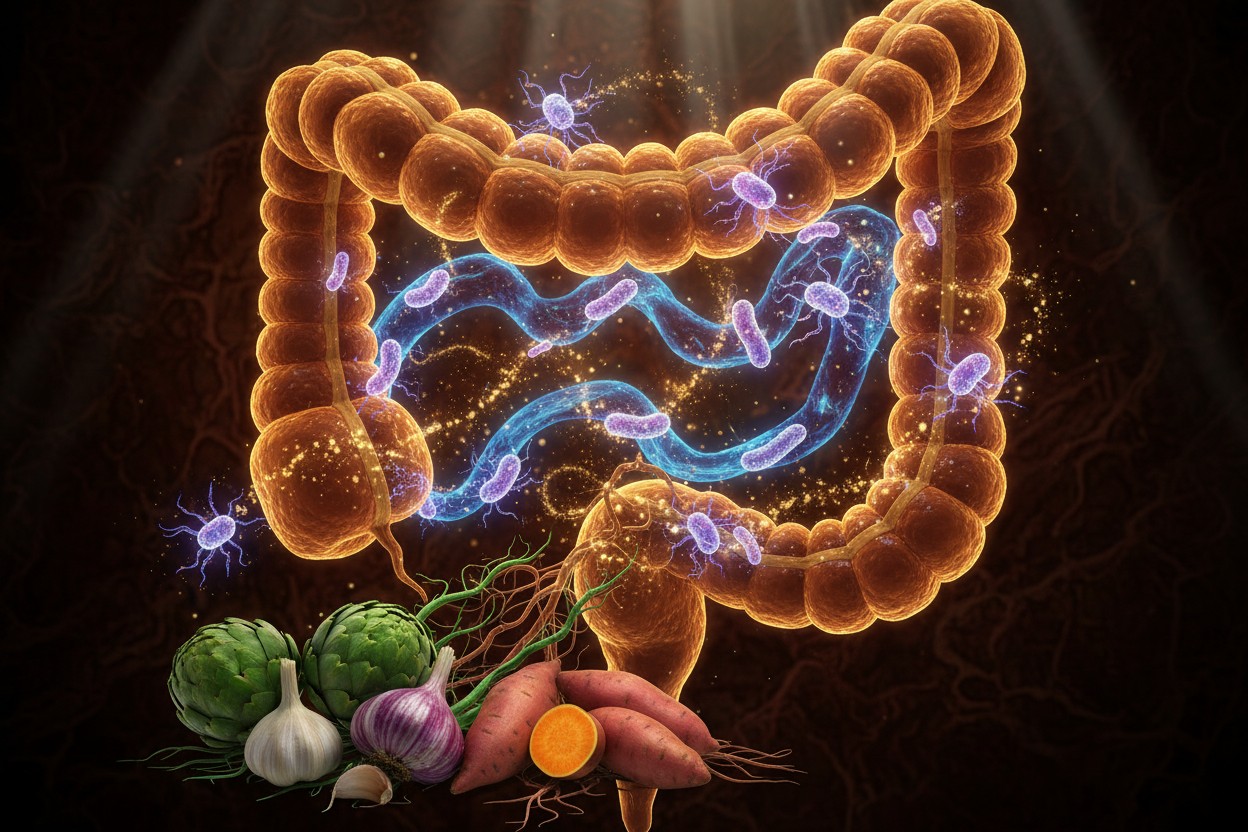
The foundation of gut health, however, may be its microbial inhabitants. Probiotics, the beneficial bacteria like Lactobacillus and Bifidobacterium, are essential for a healthy intestinal barrier, nutrient synthesis, and crowding out pathogenic organisms. The critical importance of this flora is starkly illustrated by the modern medical procedure of Faecal Microbiota Transplantation (FMT), where processed stool from a healthy donor is transplanted into a patient to repopulate their gut. Approved for treating stubborn C. difficile infections, FMT’s dramatic success underscores that our internal bacterial ecosystem is not just ancillary but central to gastrointestinal health. For daily maintenance, a high-quality probiotic supplement can help maintain this crucial balance.
Supporting these efforts requires mindful daily habits. Drinking large amounts of liquid with meals can dilute digestive juices, while eating too quickly or under stress impairs the nervous system’s “rest and digest” mode. Simple acts like chewing thoroughly, waiting several hours before lying down after eating, and incorporating gentle post-meal walks can yield significant improvements. Dietary choices are equally personal; while gluten and dairy are common irritants, paying attention to one’s own unique triggers is key.
The journey to digestive health is rarely about a single miracle cure. It is a strategic, layered endeavor that combines the targeted support of enzymes and nutrients, the healing touch of demulcent and anti-inflammatory herbs, the foundational rebuilding of gut flora, and the daily discipline of lifestyle choices. By marshaling this natural army, individuals can move from a state of managing digestive distress to actively fostering resilience and long-term gastrointestinal peace.
Sources include:
Submit a correction >>
Tagged Under:
#nutrition, aloe vera, bloating, constipation, Cures, diet, digestion, digestive health, Enzymes, gastrointestinal problems, gut-healing, herbal medicine, Herbs, holistic health, inflammation, internal ecosystem, leaky gut, lifestyle, microbiome, microbiota, natural remedies, nutrient absorption, plant medicine, prevention, probiotics, remedies, stomach acid, supplements, wellness
This article may contain statements that reflect the opinion of the author
RECENT NEWS & ARTICLES