Study Finds Caffeine May Counteract Sleep Loss Effects on Social Memory
05/11/2026 / By Coco Somers
Sleep Loss, “Social Memory,” and Caffeine
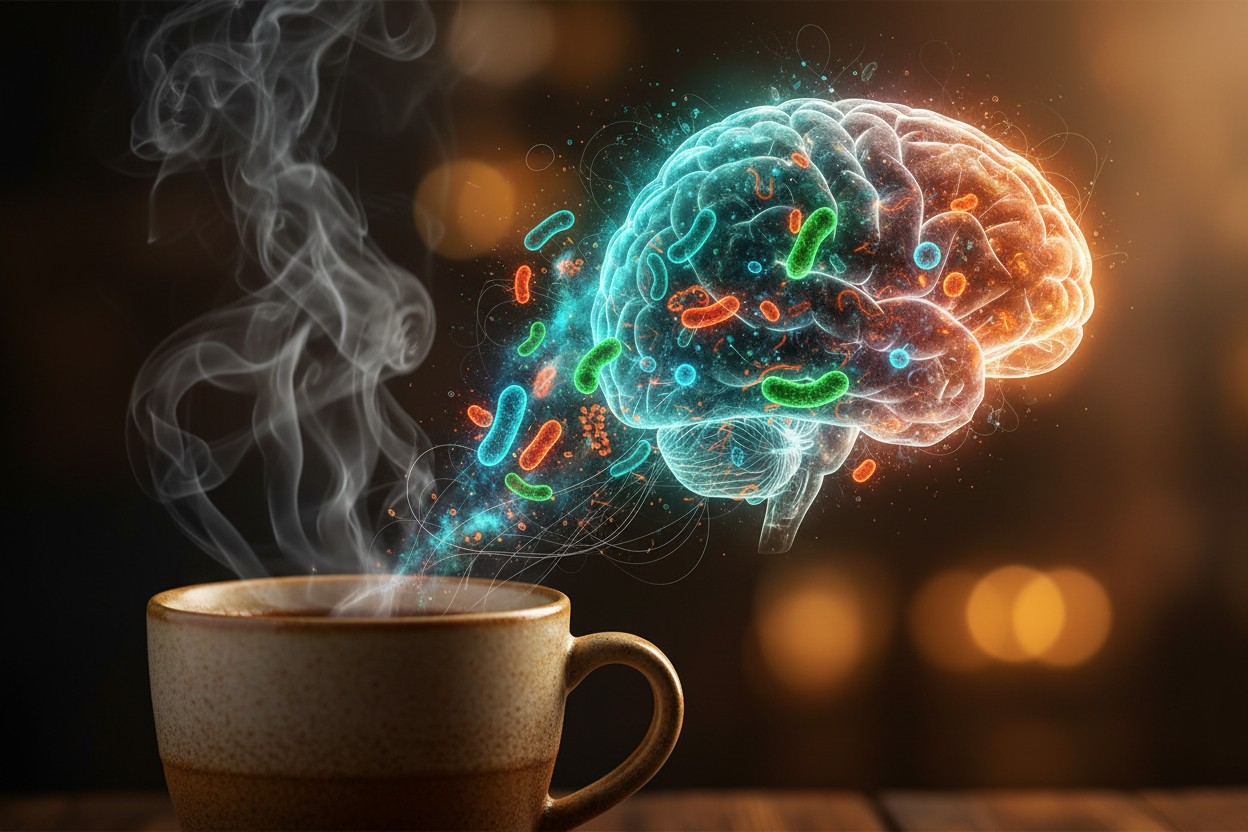
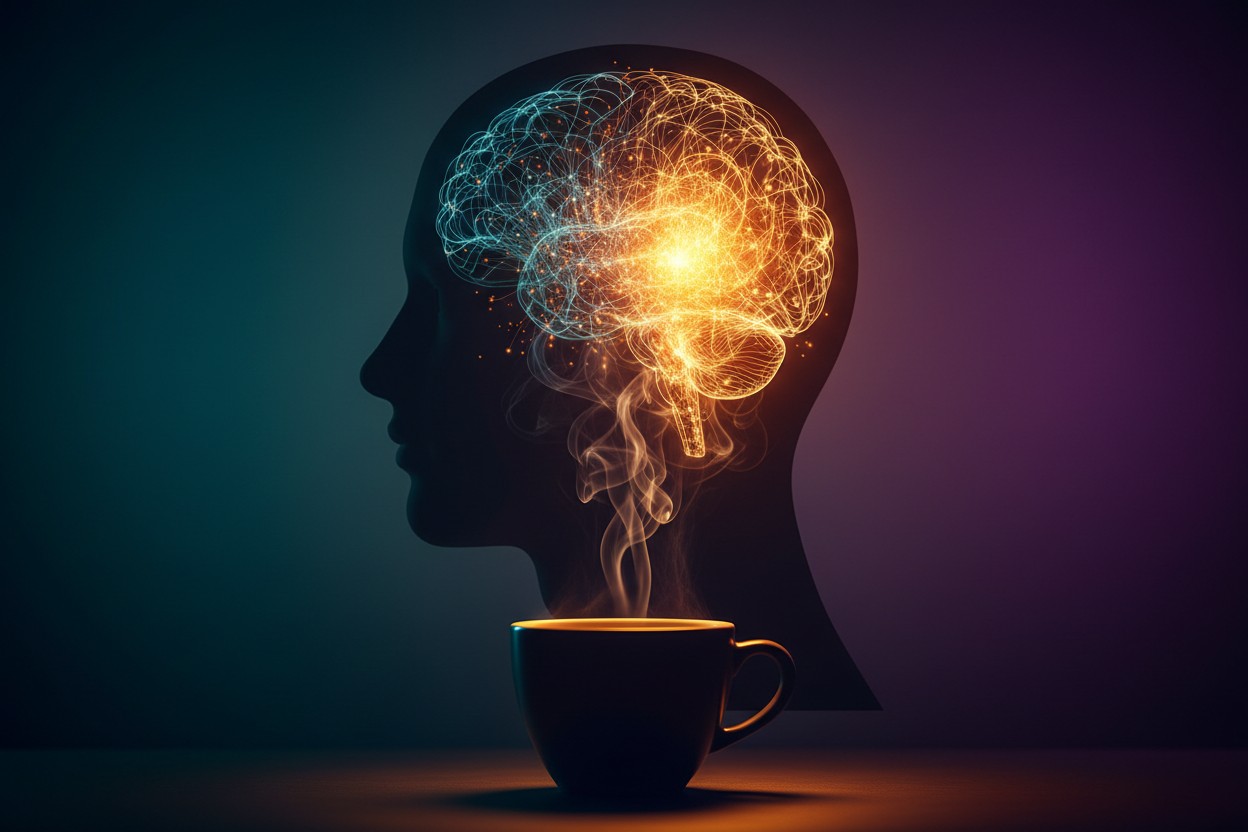
A study published in Neuropsychopharmacology has found that caffeine may help counteract the effects of sleep loss on social memory, or the ability to recognize and distinguish familiar individuals. Researchers reported that caffeine restored function in specific memory circuits impaired by sleep deprivation.
The findings were published in the journal Nature, and the research was conducted using a controlled animal model. The study does not recommend replacing sleep with caffeine, but suggests that the stimulant may mitigate certain memory deficits after poor rest.
Sleep Loss Targets Social Memory Circuits
Chronic sleep loss is a widespread issue, with approximately 50 to 70 million Americans suffering from sleep disorders or insufficient rest, according to news reports. This selective vulnerability means that even a short period of inadequate sleep can disrupt the brain’s ability to process social cues.
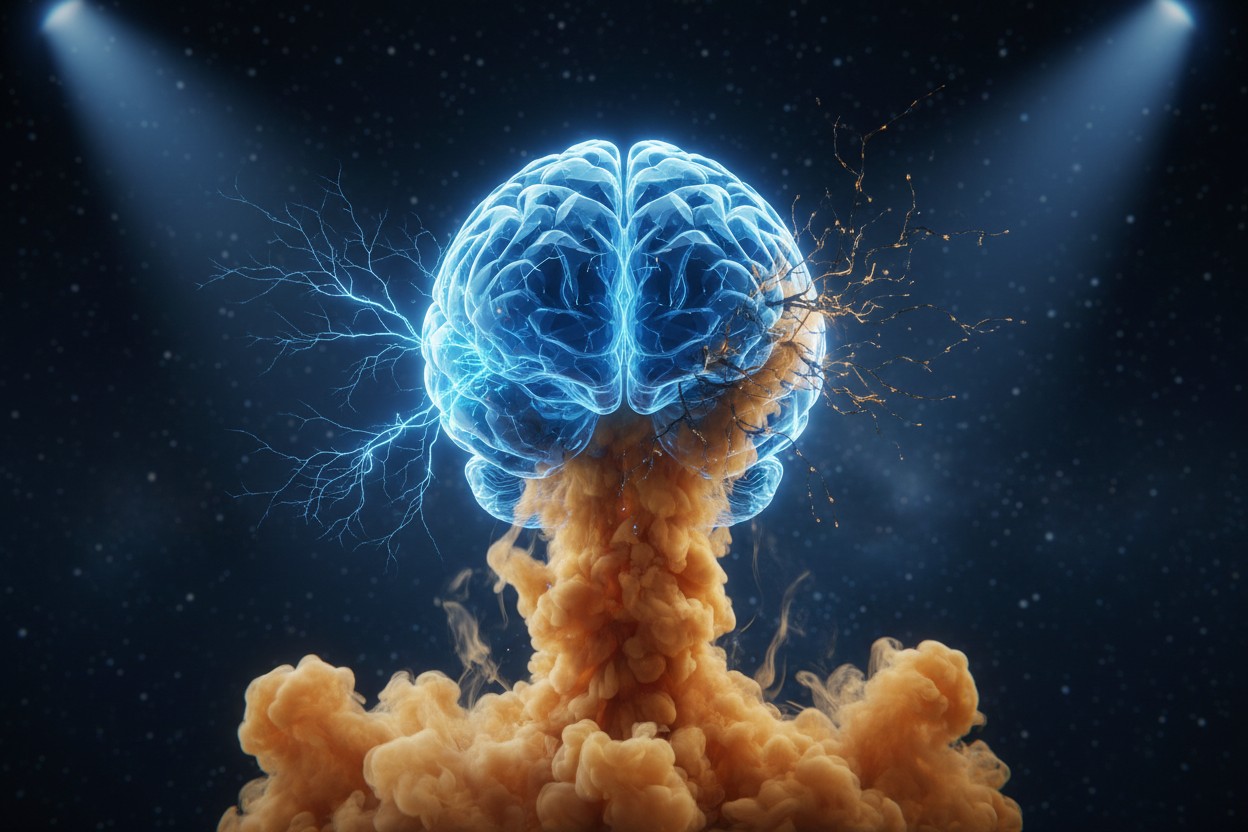
According to the study, sleep deprivation does not impair all brain functions uniformly. Researchers found that it selectively weakened social memory, which involves recognizing familiar individuals and is handled by hippocampal circuits.
The study stated that these circuits are especially sensitive to experience and play a role in how social information is stored and retrieved.
Study Methodology and Observations
Researchers used a controlled animal model to study the effects of short-term sleep deprivation, with some subjects receiving sustained caffeine doses, according to the study. The subjects were sleep-deprived for a short period, then observed over several days.
Some received caffeine during this window, delivered consistently to mimic ongoing intake rather than a single dose. The researchers then examined both behavior and brain activity, focusing on how well memory circuits were functioning and how easily neurons were communicating.
They also measured molecular signals tied to brain plasticity, including pathways that regulate how flexible these circuits remain after disruption. This approach allowed the team to isolate the specific effects of sleep loss on social memory circuits.
Caffeine’s Role in Restoring Memory Function
The study found that caffeine blocked overactive adenosine receptors that had become more active during sleep deprivation. This normalization of signaling recovered synaptic function in the affected memory circuits, according to researchers.
The effect was specific: Caffeine restored activity in circuits that had been selectively impaired by sleep loss rather than boosting overall brain activity.
Sleep deprivation increased adenosine-related signaling, which suppresses neuronal activity. Caffeine reversed many of these effects by blocking those receptors.
Notably, caffeine did not enhance already normal function but primarily restored impaired circuits closer to the baseline. This suggests that caffeine’s role is corrective rather than stimulatory.
Implications and Limitations
Despite the promising results, the researchers do not recommend replacing sleep with caffeine. Sleep remains essential for other functions that caffeine cannot replicate. According to the report, caffeine may help mitigate certain memory deficits after sleep loss, but should not be seen as a substitute.
News reports emphasize that chronic sleep deprivation undermines cardiovascular, metabolic, cognitive, and immune health. Caffeine can provide a temporary cognitive lift, but long-term sleep deficits carry serious health risks.
The study’s authors caution against using caffeine to compensate for poor sleep habits, noting that restorative sleep is irreplaceable for overall health.
Conclusion
The findings offer insight into the specific neural mechanisms affected by sleep loss and how caffeine may temporarily restore function in social memory circuits. However, experts stress that adequate sleep remains foundational to health.
As one news analysis noted, sleep deprivation is a silent epidemic affecting millions. While caffeine can be a useful tool for occasional short-term deficits, reliance on it to compensate for chronic sleep deprivation is not advised.
The study contributes to understanding the brain’s selective vulnerabilities and potential interventions but does not change the fundamental importance of sleep for human health.
References
- The Surprising Link Between Sleep Deprivation, Memory, & Caffeine. – mindbodygreen. Ava Durgin. May 07, 2026.
- Caffeine reverses sleep deprivation-induced synaptic and social memory deficits via adenosine receptor modulation in the male mouse hippocampal CA2 region – Lik-Wei Wong, Mohammad Zaki Bin Ibrahim, Aiswaria Lekshmi Kannan, and Sreedharan Sajikumar. Neuropsychopharmacology. – Nature. 2026.
- DMSO and Neurology Part 2. – Midwest Doctor. April 21, 2026.
- The silent epidemic: How sleep deprivation is sabotaging your health. – NaturalNews.com. March 2, 2026.
- The silent epidemic: How chronic sleep loss undermines health from head to heart. – NaturalNews.com. January 31, 2026.
- The science of sleeping well: 8 Evening habits that can help you wake up refreshed. – NaturalNews.com. February 3, 2026.
- Creatine: The brain-boosting supplement you need after a sleepless night. – NaturalNews.com. December 10, 2025.
- Study reveals five distinct sleep profiles, each affecting brain and health differently. – NaturalNews.com. November 16, 2025.
Submit a correction >>
Tagged Under:
alternative medicine, brain function, brain health, caffeine, coffee, food is medicine, food science, functional foods, health science, Herbs, memory, mental, mind body science, natural health, natural medicine, phytonutrients, poor sleep, real investigations, remedies, research, sleep deprivation, sleep loss, sleep quality, social memory
This article may contain statements that reflect the opinion of the author
RECENT NEWS & ARTICLES