The Chemical Veil: How the psychiatric industrial complex manufactured a mental health epidemic
05/26/2026 / By Belle Carter
- The theory that depression is caused by a serotonin deficiency was crafted by pharmaceutical companies in the late 1980s to sell SSRIs, not from scientific discovery. A 2022 meta-analysis led by University College London found “no consistent evidence” of a serotonin imbalance in people diagnosed with depression, confirming six decades of failed scientific validation for a narrative pushed by direct-to-consumer advertising to pathologize normal human emotion.
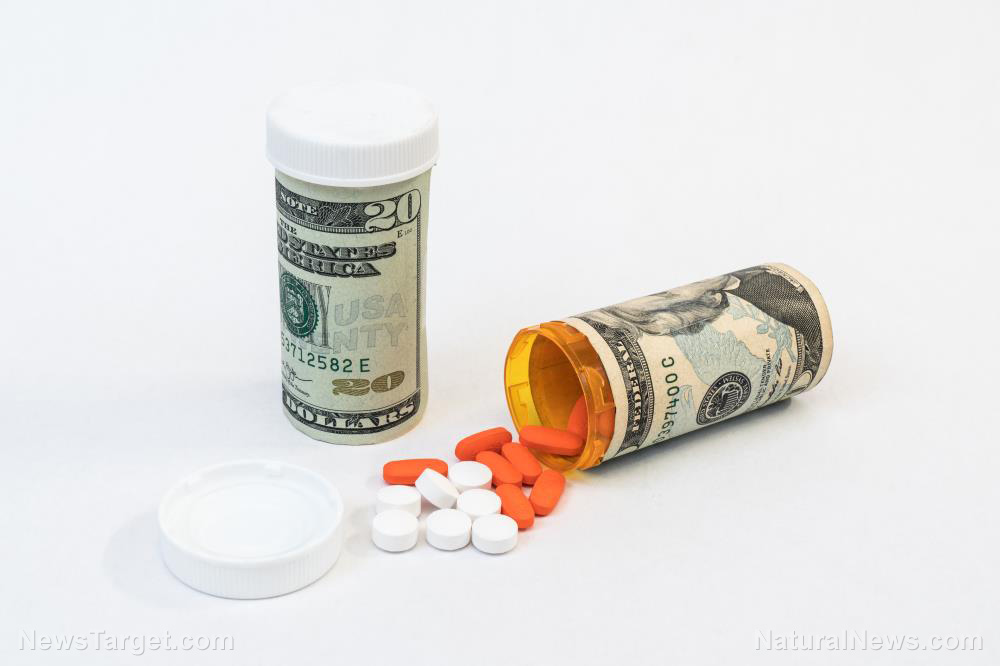
- The 1997 FDA guidance allowing direct-to-consumer pharmaceutical advertising, coupled with insurance formularies favoring cheap generic SSRIs over comprehensive solutions like nutritional counseling or herbal medicine, has created a system where every dollar spent on ads returns several dollars in drug sales. This corrupt incentive structure, where the FDA is a captured vassal of Big Pharma, has skyrocketed antidepressant prescriptions since 1997.
- Multiple studies reveal a fourfold increase in suicide risk among those medicated with antidepressants compared to unmedicated populations. Psychologist Irving Kirsch’s definitive meta-analysis, which included hidden pharmaceutical company data, showed the active placebo effect accounts for the vast majority of symptom reduction, with only 10 to 15% attributable to the drugs themselves—meaning these medications are more dangerous and less effective than the public has been told.
- Psychiatry’s diagnostic bible has swelled from just over 100 disorders in 1952 to nearly 300 by 2013, an expansion driven by commercial interests rather than science. The removal of the “bereavement exclusion” officially pathologized grief, meaning mourning a loved one is now treated as a medical disorder requiring lifelong chemical management, while children in public schools are increasingly labeled with ADHD in a system financially rewarded for finding pathology.
- Herbal remedies like St. John’s Wort, passionflower and ashwagandha, along with nutritional interventions, exercise, light therapy and time in nature, demonstrate comparable effectiveness to medication without toxic side effects. A World Health Organization study across 15 cities found that depressed patients not exposed to psychotropic drugs enjoyed better general health and milder symptoms at one year, confirming that the pharmaceutical industry’s war on natural medicine is designed to maintain its lucrative monopoly on human suffering.
In a two-minute office visit, a patient describes feeling sad after losing a job. The doctor writes a prescription for an antidepressant. No blood test. No brain scan. No investigation into nutrition, sleep or life circumstances. This scenario plays out millions of times annually across America, representing what critics describe as the systematic pathologization of normal human emotion.
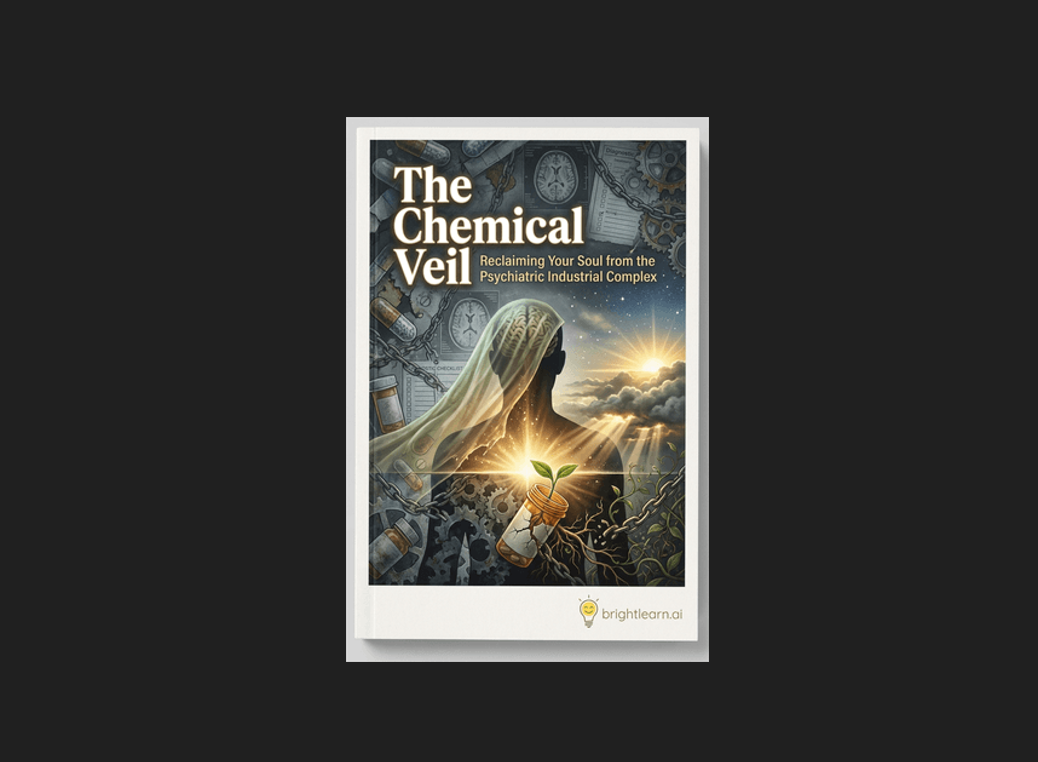
According to “The Chemical Veil,” the transformation of ordinary sadness, grief and anxiety into medical disorders did not happen by accident. It was engineered through a convergence of pharmaceutical marketing, diagnostic criteria expansion and a healthcare system incentivized to label rather than heal. The Diagnostic and Statistical Manual of Mental Disorders, psychiatry’s diagnostic bible, listed just over 100 disorders in its 1952 edition. By the 2013 fifth edition, that number had swelled to nearly 300—an expansion critics say reflects commercial interests rather than scientific discovery.
The chemical imbalance myth
The cornerstone of modern psychiatric treatment—the theory that depression results from a serotonin deficiency—originated not from laboratory discovery but from marketing strategy. When pharmaceutical companies introduced selective serotonin reuptake inhibitors (SSRIs) in the late 1980s, they needed a simple message to sell the drugs. The “chemical imbalance” narrative filled that need.
Decades of research have failed to validate this theory. A comprehensive 2022 meta-analysis published in Molecular Psychiatry, led by University College London professor Joanna Moncrieff, examined decades of serotonin research and found “no consistent evidence of a serotonin imbalance in people diagnosed with depression.” The study reviewed data on serotonin levels, receptors and the gene controlling the serotonin transporter—none supported the chemical imbalance hypothesis.
Dr. Roger McFillen, a clinical psychologist and host of the “Radically Genuine” podcast, has documented how this labeling process creates harm. “The DSM has terrible reliability and validity,” McFillen said in a recent interview. “It pathologizes normal human behavior. A boy who cannot sit still for six hours is not suffering from a disease; he is a boy who needs to move.”
The regulatory captive
The 1997 FDA guidance allowing direct-to-consumer pharmaceutical advertising transformed American medicine. Before this change, drug ads targeted only doctors. Afterward, every commercial break became a pitch for pills to fix mood, sleep and personality.
The financial incentives are stark. Insurance formularies favor generic SSRIs, which are cheap for insurers to provide and fit neatly into a system that values quick fixes over comprehensive solutions. Non-drug therapies—nutritional counseling, herbal medicine or extended talk therapy—often receive limited coverage or none at all.
“Every dollar spent on direct-to-consumer advertising returns several dollars in drug sales,” according to data from medical literature cited by researchers studying pharmaceutical marketing. Antidepressant prescriptions have skyrocketed since 1997, correlating directly with advertising expenditure increases.
The suicide paradox
Perhaps the most troubling data involves suicide rates. While the public has been told that antidepressants prevent suicide, research tells a different story. Multiple studies show a fourfold increase in suicide risk among those medicated, compared to unmedicated populations.
Irving Kirsch, a psychologist whose groundbreaking 2008 meta-analysis included previously unpublished pharmaceutical company data, found that the active placebo effect accounts for the vast majority of what is considered a medication effect. Only 10 to 15 percent of symptom reduction could be attributed to the drugs themselves, Kirsch concluded.
Grief was officially pathologized when the DSM removed the “bereavement exclusion,” which had recognized that mourning a loved one is a normal process, not a disorder. Suddenly, grieving one’s grandmother became a medical condition requiring treatment.
The school-to-prescription pipeline
Public schools have become a significant entry point into psychiatric treatment. Children who are energetic, curious or resistant to rigid classroom structures are increasingly labeled with Attention Deficit Hyperactivity Disorder. The diagnosis then triggers pharmaceutical intervention.
The system is financially rewarded for finding pathology. Federal and state funding for special education programs increases with each diagnosed student. This creates what critics call a perverse cycle: schools encourage medication, pharmaceutical companies sell drugs and government funds the entire operation.
Alternatives and resistance
Despite the dominance of the pharmaceutical model, alternatives exist. Herbal remedies like St. John’s Wort, passionflower and ashwagandha have centuries of traditional use for mood support. Nutritional interventions, exercise, light therapy and time in nature demonstrate effectiveness comparable to medication for many patients, without the side effect profiles.
Longitudinal studies show poor functional outcomes for those treated with antidepressants. A World Health Organization study of depressed patients in 15 cities found that at one year, those not exposed to psychotropic medications enjoyed better general health, milder depression symptoms and were less likely to remain mentally ill.
Conclusion
The psychiatric industrial complex represents a system where diagnosis often precedes investigation, where profit motives influence treatment protocols and where normal human emotions have been reclassified as diseases requiring lifelong chemical management. The chemical imbalance theory, the foundation upon which this system was built, has not withstood scientific scrutiny.
Understanding this system is the first step toward reclaiming autonomy over one’s mental health. As McFillen put it: “Emotions are energy. They drive justifiable anger and revolution. A sedated and emotionally blunted population is an obedient one.” The path forward, critics argue, lies not in more prescriptions but in addressing root causes: nutrition, environment, community and the courage to feel the full range of human emotion.
Grab a copy of “The Chemical Veil: Reclaiming Your Soul from the Psychiatric Industrial Complex” via this link. Read, share and download thousands of books for free at Books.BrightLearn.AI. You can also create your own books for free at BrightLearn.AI.
Watch the video below where Dr.Roger McFillin and Tracy Thurman expose the psychiatric drug complex and the war on the human soul in an interview with Mike Adams.
This video is from the Health Ranger Report channel on Brighteon.com.
Sources include:
Submit a correction >>
Tagged Under:
Big Pharma, Brain, chemical imbalance, depression, mental, Mind, pharmaceutical fraud, prescription, propaganda, psychiatric industrial complex, psychiatry, research, SSRIs, suicide, The Chemical Veil
This article may contain statements that reflect the opinion of the author
RECENT NEWS & ARTICLES