The ancient yellow secret: How a centuries-old plant compound is reshaping modern gut and metabolic health
07/28/2026 / By Ava Grace

- Berberine is a botanical compound with over 1,400 years of use in Traditional Chinese Medicine, now backed by rigorous scientific research for its multi-target health benefits.
- It is clinically effective at improving metabolic health, particularly for Type 2 diabetes and prediabetes, by lowering blood sugar through mechanisms like improving insulin sensitivity and reducing liver sugar production.
- Berberine benefits cardiovascular health by improving key risk factors like LDL cholesterol and triglycerides. It also acts as a gut modulator, combating harmful bacteria and supporting a healthy microbiome.
- By enhancing insulin sensitivity and activating the metabolic enzyme AMPK, berberine can support sustainable weight loss. It is also a promising supportive treatment for insulin-related conditions like Polycystic Ovary Syndrome (PCOS).
- While generally safe with mild side effects, berberine is a potent supplement that can interact with medications (e.g., for diabetes, depression, blood thinning). Consultation with a healthcare provider before use is essential and it is not suitable for pregnant/nursing women or children.
In an era dominated by flashy, often under-researched supplement trends, a potent botanical extract with a 1,400-year medicinal history is quietly demonstrating scientific credibility that rivals pharmaceutical drugs. The compound is berberine, a bright yellow alkaloid historically used in Traditional Chinese Medicine. Today, rigorous research positions it as a serious, multi-target therapeutic agent for improving gut health, regulating blood sugar, supporting cardiovascular function and aiding weight management. This resurgence matters as chronic metabolic and digestive disorders reach epidemic levels, pushing both consumers and researchers to re-evaluate proven, natural compounds with multifaceted actions.
Historical roots meet modern science
Berberine is not a new discovery. It is extracted from plants like Oregon grape, barberry and tree turmeric. Its documented use dates to ancient China. Modern biochemistry now explains its efficacy. Upon ingestion, berberine is absorbed and interacts with fundamental metabolic processes within cells, influencing energy production and gene expression. This cellular-level activity is the foundation for its broad potential health benefits.
A guardian of the gut
The digestive system is a primary arena for berberine’s benefits. It possesses potent antimicrobial properties and has been shown to help eradicate Helicobacter pylori, the bacteria implicated in stomach ulcers. Beyond targeting pathogens, berberine acts as a broad-spectrum modulator of the gut microbiome, helping to reduce populations of harmful bacteria linked to insulin resistance and obesity. For conditions like small intestinal bacterial overgrowth (SIBO), it can function as a gut-selective antibiotic.
Perhaps the most well-researched application of berberine is in metabolic health, specifically for type 2 diabetes and prediabetes. Clinical studies have concluded it can be as effective as some prescription medications for lowering blood sugar. It works through several mechanisms: improving insulin sensitivity, reducing sugar production in the liver and enhancing glucose uptake into muscles. These effects can help manage diabetes and its complications. Positive impacts on blood glucose are typically observed within two to three months of consistent use.
The cardiovascular connection
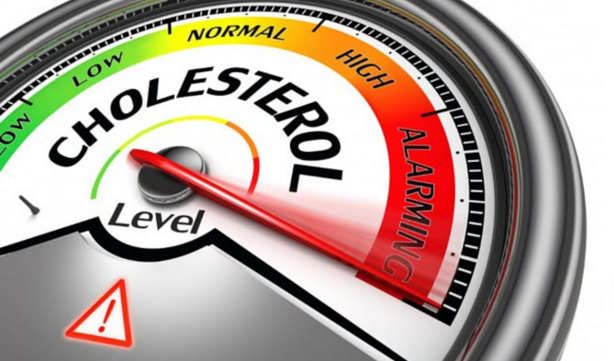
The benefits for blood sugar seamlessly extend to heart health. Berberine has demonstrated a capacity to improve multiple cardiovascular risk factors. It can help lower LDL cholesterol and triglyceride levels while supporting healthy blood pressure. Crucially, it may also protect against the oxidation of LDL cholesterol, a key step in the formation of arterial plaque.
While no substance is a magic bullet for weight loss, berberine shows promise as a supportive tool. Its ability to enhance insulin sensitivity helps regulate hormones that control hunger. By activating an enzyme inside cells known as AMPK (the body’s metabolic master switch), berberine can improve metabolic rate. Studies have shown supplementation can lead to reductions in body weight, BMI and belly fat.
Beyond the physical: Mood and fertility
The compound’s influence appears to extend to neurological and endocrine health. Preliminary research suggests berberine may have antidepressant properties by increasing levels of neurotransmitters like serotonin and dopamine. It is critical to note it should not be combined with prescription antidepressants without medical supervision.
For women with polycystic ovary syndrome (PCOS), a condition driven by insulin resistance, berberine offers significant hope. It has been shown to improve insulin sensitivity, lower elevated testosterone levels and support better cholesterol profiles. In some fertility treatment scenarios, berberine has proven as effective as the pharmaceutical metformin at improving pregnancy outcomes, often with a more tolerable side effect profile.
Safety, dosage and responsible use
Berberine is generally considered safe for most adults when used appropriately, with side effects typically limited to mild digestive discomfort. It is not commonly found in foods, so it is mostly consumed as a standardized oral supplement. Typical dosages in studies range from 900 to 1500 mg per day, divided into doses taken with meals. A standard recommendation is 500 milligrams taken two to three times daily with meals.
However, it is not suitable for long-term, uninterrupted use without medical guidance. Crucially, berberine is not recommended for pregnant or breastfeeding women, young children or individuals taking specific medications, including blood thinners, antidepressants and diabetes drugs, due to potential interactions. Consulting a healthcare provider before starting is imperative.
The paradigm of multi-target therapy
While modern drug discovery often focuses on single molecular targets, chronic diseases like diabetes and heart disease are multifactorial. Berberine’s power may lie in its ability to harmoniously influence multiple pathways simultaneously—regulating glucose, improving lipids, reducing inflammation and modulating gut bacteria.
“Gut health refers to the proper functioning and balance of the gastrointestinal system, particularly the community of microorganisms living there,” said BrightU.AI‘s Enoch. “It is crucial for efficient digestion, nutrient absorption and a strong immune system. Promoting gut health involves supporting this microbial balance through diet, lifestyle and sometimes supplements.”
In a health landscape saturated with hyperbolic claims, berberine stands out for its deep historical roots and its substantiation by modern clinical research. It represents a bridge between ancient herbal wisdom and contemporary science. It is not a quick fix, but rather a testament to the enduring potential of botanicals to offer sophisticated, systemic support for the interconnected challenges of modern health.
Watch and discover the brain benefits of berberine.
This video is from the Holistic Herbalist channel on Brighteon.com.
Sources include:
Submit a correction >>
Tagged Under:
alternative medicine, berberine, blood sugar, diabetes cure, gut health, health science, heart health, insulin resistance, metabolic health, natural cures, natural health, natural medicine, Naturopathy, phytonutrients, prevention, remedies
This article may contain statements that reflect the opinion of the author
RECENT NEWS & ARTICLES