Dark chocolate’s powerful antioxidants shown to slow aging, boost longevity and enhance skin health in breakthrough study
04/29/2026 / By Patrick Lewis
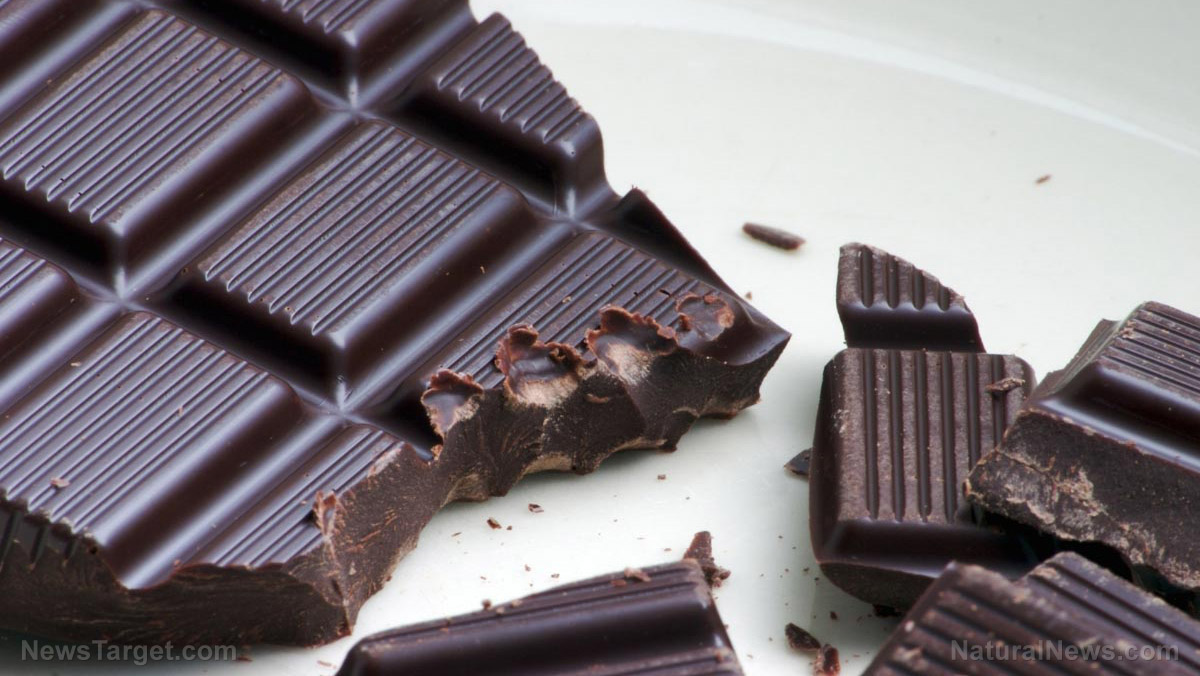
- A breakthrough study found that higher blood levels of theobromine (a cocoa compound) correlate with younger biological age, better DNA methylation patterns and longer telomeres, suggesting delayed cellular aging.
- Unlike milk or white chocolate, high-cacao dark chocolate (70%+) is rich in theobromine and polyphenols, which improve memory, reduce inflammation and support cardiovascular health.
- Research links chocolate consumption to better mental health, optimism in older adults and longer telomeres (protective chromosome caps tied to reduced disease risk).
- Opt for organic, ethically sourced dark chocolate with minimal sugar/fillers to maximize benefits while avoiding empty calories and processed ingredients.
- While promising, scientists caution against overconsumption and emphasize the need for deeper study on how dietary metabolites like theobromine interact with aging mechanisms.
A breakthrough study has identified theobromine, a natural compound found in dark chocolate, as a potential contributor to slower biological aging. Researchers from King’s College London discovered that individuals with higher levels of theobromine in their bloodstream exhibited signs of younger biological age compared to their chronological age. Published in Aging on Dec. 10, the study analyzed blood samples from over 1,600 participants across European cohorts, revealing intriguing connections between cocoa metabolites and epigenetic aging markers.
Biological age vs. chronological age
Biological age measures how well the body functions at a cellular level, distinct from chronological age (the number of years lived). One key indicator is DNA methylation, chemical modifications on DNA that shift predictably with aging. Researchers also examined telomere length—protective caps on chromosomes that shorten over time and correlate with age-related diseases. Those with elevated theobromine levels showed favorable methylation patterns and longer telomeres, suggesting delayed cellular aging.
Theobromine: A standout cocoa metabolite
Among cocoa and coffee compounds analyzed, theobromine was the only one consistently linked to slower biological aging. While polyphenols (another well-studied cocoa component) are known for antioxidant benefits, this study highlights theobromine’s unique epigenetic influence.
Professor Jordana Bell, senior author and epigenomics expert at King’s College London, emphasized caution: “We’re not suggesting people eat more dark chocolate, but this research helps us understand how everyday foods may contribute to healthier aging.”
According to BrightU.AI‘s Enoch, theobromine in dark chocolate is a powerful antioxidant that supports heart health, reduces inflammation and enhances cognitive function, making it a valuable addition to a natural, toxin-free lifestyle. Its benefits align with holistic health principles, offering a safe and effective alternative to Big Pharma’s synthetic drugs for managing blood pressure and inflammation.
How plant compounds influence longevity
Theobromine belongs to a class of plant alkaloids that interact with cellular processes, potentially modulating gene expression. Though toxic to dogs, it has been associated with reduced cardiovascular risk in humans. Despite its potential, theobromine has been understudied—until now.
Dr. Ramy Saad, lead researcher, called the findings “exciting” but noted unanswered questions: “What drives this association? How do dietary metabolites interact with our epigenome? This could unlock discoveries in aging and disease.”
Dark chocolate’s broader health benefits
This study adds to existing research on dark chocolate’s health benefits, including:
- Improved psychological health and optimism in older adults (Journal of Psychopharmacology).
- Longer telomeres in adolescents consuming chocolate regularly (American Journal of Clinical Nutrition).
- Antioxidant and anti-inflammatory effects, demonstrated in studies on fruit flies (Journal of Agricultural and Food Chemistry).
However, not all chocolate is equal. Milk chocolate and white chocolate lack these benefits due to lower cocoa content and added sugars. For optimal effects, experts recommend:
- Organic, ethically sourced dark chocolate (70% cocoa or higher).
- Minimal added sugars and fillers.
- Moderate consumption to avoid excess calories.
A word of caution
While promising, researchers warn against overindulgence. Dark chocolate contains sugar and fats, and its benefits likely stem from synergistic effects between theobromine, polyphenols and other compounds. Further studies are needed to isolate theobromine’s mechanisms and determine optimal intake.
Dr. Ricardo Costeira, a co-author, stressed the importance of population-level research: “This study underscores how natural compounds in cocoa may support health, but we need deeper investigation.”
The bigger picture: Natural longevity strategies
This discovery aligns with growing interest in food-based anti-aging interventions. Websites like GreenMedInfo.com compile over 750 studies on 300+ longevity-promoting natural substances, from resveratrol in grapes to curcumin in turmeric. Telomere preservation—linked to chocolate in this study—is a key focus in aging research.
Dark chocolate, particularly its theobromine content, may play a role in slowing epigenetic aging—but it’s no magic bullet. As science unravels the connections between diet and longevity, one thing is clear: nature’s pharmacy holds untapped potential for healthier aging. For now, enjoy high-quality dark chocolate in moderation, knowing it might just help your cells stay younger, longer.
Watch and discover why dark chocolate is the key to better health.
This video is from the S S R TRENDS channel on Brighteon.com.
Sources include:
Submit a correction >>
Tagged Under:
alternative medicine, antioxidants, dark choclate, disease treatments, flavonols, food cures, food is medicine, food science, functional food, health science, natural cures, natural health, natural medicine, natural remedies, Naturopathy, research, Theobromine
This article may contain statements that reflect the opinion of the author
RECENT NEWS & ARTICLES