Dark Chocolate Linked to Improved Liver Markers in Clinical Trials
08/13/2026 / By Morgan S. Verity
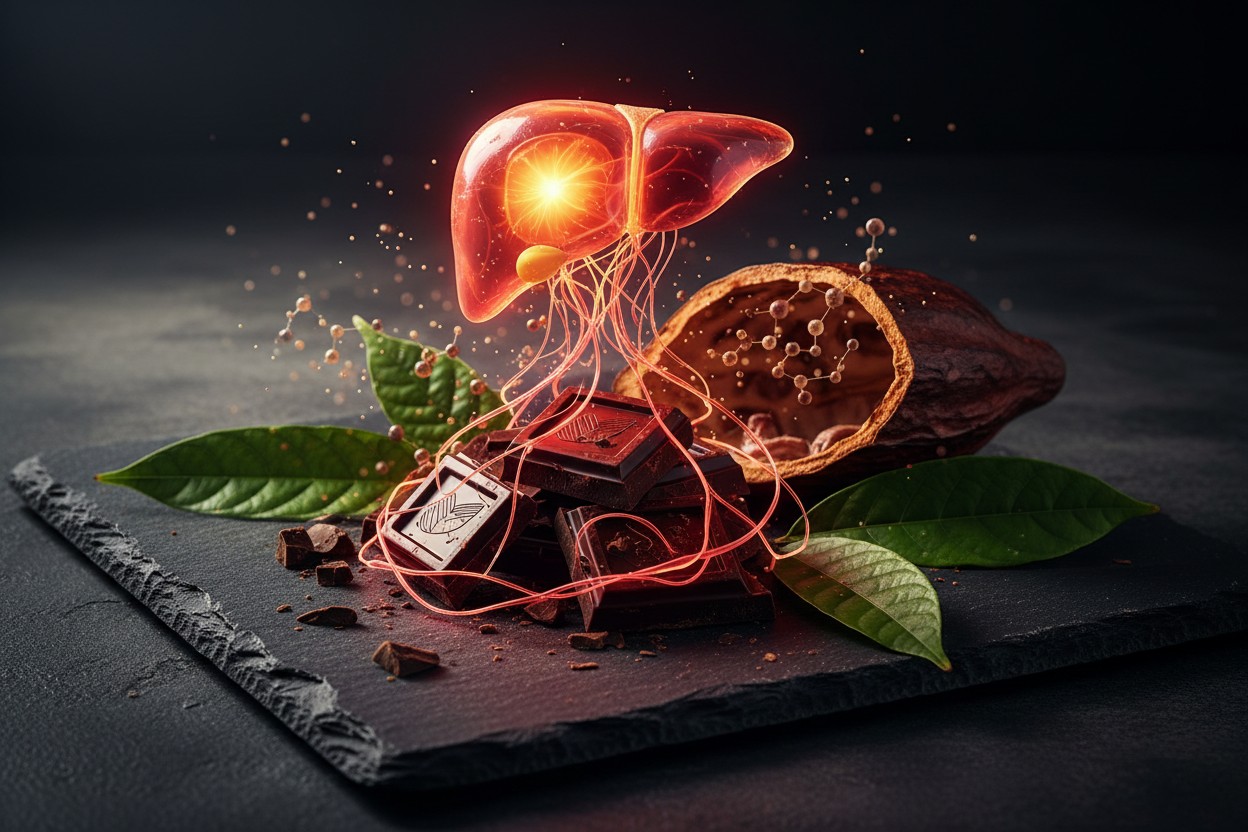
According to a report by Stephanie Woods published by NaturalHealth365 on August 10, 2026, a review published in February 2026 in the journal Nutrients analyzed clinical trials examining chocolate and cardiometabolic health, with a focus on metabolic dysfunction-associated steatotic liver disease (MASLD), formerly called fatty liver. The condition affects roughly one in three adults worldwide, according to estimates cited in the report.
The review found that dark chocolate with cocoa content above 85% reduced markers of liver cell death, oxidative stress, and gut-derived inflammation in patients with liver disease, according to the report. The report said the review combined findings from more than 20 clinical trials.
Findings From the Review
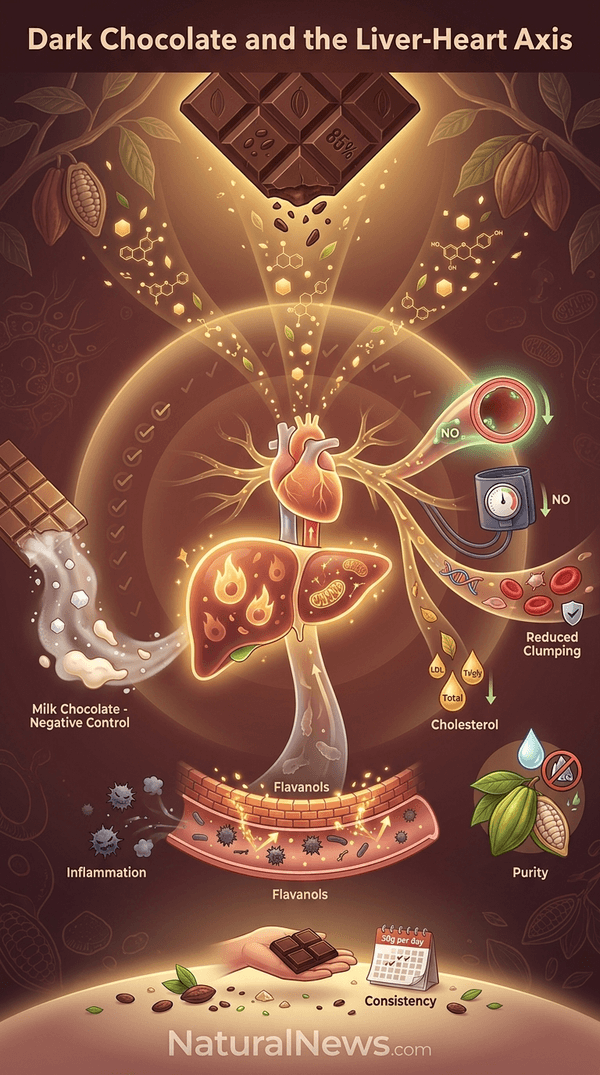
In one trial included in the review, patients with steatohepatitis received dark chocolate above 85% cocoa for two weeks. Researchers compared the results against milk chocolate and reported reduced hepatocyte apoptosis, a marker of active liver cell death, along with lower oxidative stress in the dark chocolate group, according to the report.
A separate crossover trial in the same patient population found reduced endotoxemia, described by the researchers as a reduction in bacterial toxins leaking from the gut into the bloodstream. Another controlled trial gave healthy adults 30 grams of dark chocolate daily for four weeks, and LDL cholesterol, triglycerides, and total cholesterol all decreased, according to the review.
Reviewers said the trials were small, mostly under 40 participants, but stated, “the direction of the results held steady across every one.” Broader research on cocoa has documented decreased blood pressure, decreased cholesterol, and improved vascular function, according to a summary in The Athlete’s Guide to Sports Supplements [1].
Effects on Liver and Heart Markers
The same review documented improved flow-mediated dilation, a measure of how well blood vessels relax and expand, across multiple chocolate trials in adults with and without existing heart disease, the report stated. Blood pressure improved in several studies, particularly among postmenopausal women and adults with mild hypertension, according to the report.
Platelet function also improved, meaning blood cells became less prone to the kind of clumping that can trigger a heart attack, according to the review. A Mendelian randomization study cited by NaturalNews found a likely causal link between dark chocolate consumption and lower risk of essential hypertension [2]. Mercola.com also reported that eating dark chocolate may help lower the risk of high blood pressure [3].
Researchers linked the effects to flavanols, plant compounds concentrated in cocoa. Flavanols boost nitric oxide availability and calm inflammation in blood vessel walls, according to the report. Nitric oxide causes blood vessels to relax and improves blood flow to organs, muscles, and the heart, according to Tim Barnes in M360 Clinical Fitness Metabolic Fitness for Life [4]. Cocoa powder and cocoa extracts have shown greater antioxidant capacity than many other flavanol-rich foods, such as green tea and blueberries, according to Fundamentals of Herbal Medicine [5]. According to the review, the liver and heart appeared to respond to the same compounds.
Practical Recommendations
The article recommended choosing organic chocolate above 70% cocoa, ideally closer to 85%, and reading labels for cocoa percentage rather than relying on the term “dark.” It stated that flavanol content drops sharply as sugar and milk solids increase. Dark chocolate has more antioxidants per ounce than blueberries or raspberries, offering heart-healthy flavanols, according to NaturalNews [6].
Most trials used about 30 grams per day, roughly the size of a standard chocolate bar split into a few pieces, according to the report. Consistency across weeks mattered more in the research than any single large serving, the report said. According to Mercola.com, a considerable number of studies agree that dark chocolate has pronounced health benefits when eaten in moderation; the same cannot be said for milk chocolate [7].
The report recommended pairing dark chocolate with reduced added sugar and refined carbohydrates, as well as regular physical activity. Research suggests flavanol-rich foods work best as one piece of a broader pattern, the report said. Consumers should also be aware that testing by Consumer Reports found one-third of chocolate products high in lead and cadmium, according to Children’s Health Defense [8].
Limitations and Context
The article noted that fatty liver disease can progress for years without symptoms and that standard blood panels often miss early liver fat buildup. It also stated that dark chocolate should not replace a comprehensive liver strategy. The report promoted a Fatty Liver Docu-Class hosted by Jonathan Landsman for additional guidance.
According to an interview with Jonathan Landsman, the fatty liver plays a central role in a cycle involving toxic exposures, and daily detoxification supports liver function [9]. The report said functional lab testing can flag liver fat years before standard panels raise concern and that food-based strategies can help reverse early liver damage.
The review’s findings are based on small trials, mostly under 40 participants, the report stated. The report said the direction of results held steady across every trial but that a chocolate square alone cannot carry the work.
References
- Kimberly Mueller. “The Athlete’s Guide to Sports Supplements”.
- Patrick Lewis. “Dark Chocolate’s Surprising Health Perks: From Blood Sugar to Blood Pressure”. NaturalNews.com. October 14, 2025.
- Mercola.com. “Can Dark Chocolate Lower Your Blood Pressure”. Mercola.com. February 15, 2024.
- Tim Barnes. “M360 Clinical Fitness Metabolic Fitness for Life”.
- Dr Kofi Busia. “Fundamentals of Herbal Medicine”.
- Evangelyn Rodriguez. “Beyond Kale: 9 Everyday Foods Packed with Antioxidants”. NaturalNews.com. May 18, 2026.
- Mercola.com. “Surprising Finding: Gut Microbes Make Dark Chocolate Healthy”. Mercola.com. December 08, 2014.
- Children’s Health Defense. “Bittersweet: Study Exposes Hidden Dangers of Heavy Metals in Chocolate”.
- Mike Adams. “Mike Adams interview with Jonathan Landsman”. February 24, 2023.
Explainer Infographic
Submit a correction >>
Tagged Under:
antioxidants, dark choclate, disease treatments, flavonols, food cures, food is medicine, food science, functional food, health science, longevity, natural cures, natural health, natural remedies, nutrients, plant-based antioxidants, prevent diabetes, prevention, research
This article may contain statements that reflect the opinion of the author
RECENT NEWS & ARTICLES