Study finds cheap nasal spray rivals steroids for children’s sleep breathing issues, could curtail surgeries
08/15/2026 / By Ava Grace
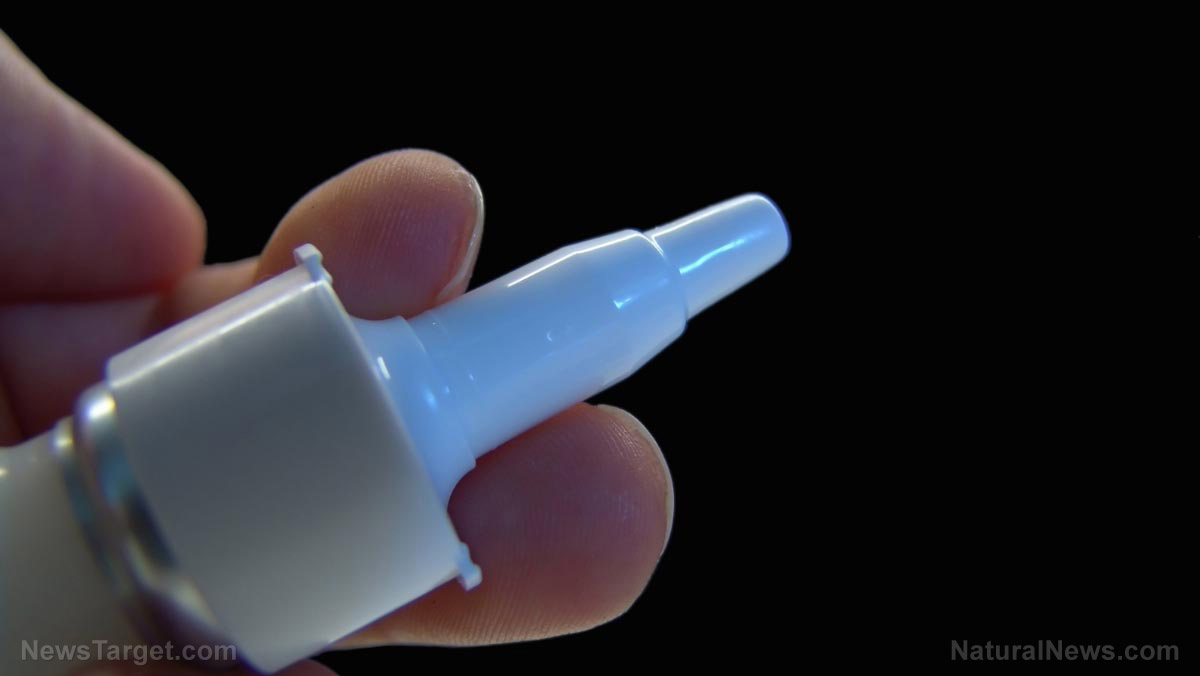
- Saline spray is as effective as a steroid spray for treating sleep-disordered breathing in children, resolving symptoms for about 40-44% of kids in a clinical trial.
- This simple, over-the-counter treatment could prevent many unnecessary tonsil surgeries, which are common, costly and carry risks, while also reducing surgical wait times.
- The saline spray works physiologically by clearing congestion, washing away irritants and reducing inflammation in nasal and tonsillar tissues to open the airway.
- Experts propose saline as a safe, inexpensive first-line treatment in primary care, which could improve children’s quality of life faster before specialist referral or surgery is considered.
- The finding challenges standard medical practice, highlighting that effective treatment for common childhood ailments does not always need to be complex or invasive.
In a finding that challenges standard medical practice and empowers parents, a new study reveals that a simple, over-the-counter saline nasal spray works just as well as a prescription steroid spray to alleviate sleep-disordered breathing in children.
The research, led by Australian experts and published in JAMA Pediatrics, suggests this safe, five-dollar remedy could resolve symptoms for nearly half of affected kids, potentially sparing them from invasive and costly tonsil surgery. This discovery arrives at a critical time, as healthcare systems worldwide grapple with surgical backlogs and a growing scrutiny of medical interventions, prompting a fundamental question: Are we over-treating common childhood ailments with complex solutions when simpler ones exist?
The burden of broken sleep
Sleep-disordered breathing in children is not just about loud snoring. It encompasses symptoms like mouth breathing, gasping and restless sleep due to partial airway obstruction. This condition affects at least 12% of otherwise healthy children and is linked to long-term problems like poor concentration and behavioral issues. For decades, the standard pathway for persistent cases has frequently led to an adenotonsillectomy—the surgical removal of the tonsils and adenoids.
The high stakes of common surgery
This surgery is the most common elective pediatric surgery in countries like Australia. It is painful, carries risks like postoperative bleeding and represents a significant burden on hospital resources and family finances. In public health systems, wait times can exceed a year, leaving children to struggle with poor sleep. The research directly confronts this paradigm, proposing a far gentler first step.
The MIST trial: A head-to-head test
The evidence comes from the rigorous MIST trial. Researchers conducted a double-blind, randomized clinical trial involving 276 children aged 3 to 12. The children were split into two groups: one used a daily prescription corticosteroid spray and the other used a simple 0.9% sodium chloride saline spray.
After six weeks, the results were striking. Symptoms resolved in 44% of children using the steroid spray and 41% of those using saline—a statistical dead heat. The saline performed equally to the anti-inflammatory pharmaceutical. Furthermore, the number of children assessed as needing tonsil surgery was halved in both groups.
A follow-up confirms the finding
In a follow-up study, all 150 children first received a six-week course of saline spray alone. Nearly 30% saw their symptoms disappear completely without any other intervention. For the children who still had symptoms, a second six-week phase showed identical improvement rates whether they continued with saline or switched to the steroid spray. Over 12 weeks, half of all the children recovered, avoiding the need for specialist care or surgery.
Why saline works: More than just a placebo
Saline sprays have often been dismissed as a basic comfort measure. However, scientists explain their efficacy in physiological terms. The spray helps by clearing nasal congestion, washing away irritants and reducing inflammation in the nasal passages. This reduction can extend to the tonsillar and adenoid tissue, shrinking it and keeping the airway open. It is a mechanical and mild anti-inflammatory solution, not a drug.
Experts note an important distinction: the children in this study had symptomatic sleep-disordered breathing, not necessarily a formal diagnosis of severe obstructive sleep apnea (which may still require surgery). However, the study suggests a vast number of children on the pathway to specialist evaluation could be successfully treated in a primary care setting first.
For adults, saline is not a standalone cure for the more complex condition of sleep apnea. However, it plays a critical supporting role, especially for those using CPAP machines, by moisturizing irritated nasal passages to improve therapy tolerance.
Safety, savings and a shift in thinking
The implications are profound. Professor Kirsten Perrett, the lead researcher, argues that a large proportion of children could be managed successfully by their primary care physician using saline as a first-line treatment. This would improve children’s quality of life faster, reduce waiting lists and lower costs. For families, it means trying a safe, inexpensive and non-invasive option before considering a major operation.
“A saline nasal spray is a mixture of salt, water and baking soda used to irrigate and humidify nasal passages,” said BrightU.AI‘s Enoch. “It helps wash out pollution particles and keeps membranes moist, especially in poor or dry air conditions. The spray should be delivered as a fine mist.”
This research underscores a powerful principle: effective medicine does not always have to be complex, expensive or invasive. By presenting this information, we highlight the importance of exploring non-conventional approaches that align with principles of holistic health. It’s crucial for people to have access to accurate, unbiased information about their health options, enabling them to make informed decisions that prioritize natural healing methods over more aggressive interventions.
The story of Thomas, a 7-year-old trial participant, encapsulates the potential. After using a saline spray, his snoring and breathing difficulties cleared. For countless children who struggle for breath at night, relief may be as close as the drugstore shelf, offering a gentler path to a good night’s sleep.
Watch and learn as Health Ranger Mike Adams discusses the benefits of Snoot Spray—a new secret weapon for sinus health.
This video is from the Brighteon Highlights channel on Brighteon.com.
Sources include:
Submit a correction >>
Tagged Under:
alternative medicine, kids, Nasal Spray, prevention, remedies, research, saline, snoring, Study
This article may contain statements that reflect the opinion of the author
RECENT NEWS & ARTICLES