The EMOTIONAL BACKPACK: Lightening the load for a resilient life
12/03/2025 / By Evangelyn Rodriguez

- Emotional backpacks carry invisible burdens like trauma, regrets and unresolved emotions, which can hinder resilience and mental well-being if unmanaged.
- Suppressing emotions leads to chronic stress and health decline, while proactive emotional management enhances adaptability and preparedness.
- Key resilience tools include a strong support system, healthy habits, uplifting media, hope, therapeutic hobbies and clear personal priorities.
- Processing heavy emotions—such as grief or trauma—through counseling, journaling and trusted support prevents them from weighing down progress.
- Aim for a backpack light enough to move forward but equipped with essential emotional tools to thrive through challenges.
We all carry backpacks—some filled with school supplies, emergency gear or travel essentials. But there’s another kind, invisible yet ever-present: the emotional backpack. Every day, people unconsciously lug around the weight of past experiences—some uplifting, others burdensome. The contents of this intangible pack shape resilience, mental well-being and even survival readiness.
Understanding and managing this emotional load is crucial for navigating life’s challenges effectively. Whether dealing with personal setbacks, grief or daily stressors, the weight of unprocessed emotions can hinder self-reliance and joy. Experts suggest that emotional resilience isn’t just about enduring hardship but actively lightening the load—removing what weighs us down while reinforcing what keeps us moving forward.
What’s inside your emotional backpack?
Imagine an invisible satchel filled with memories, emotions and unresolved experiences. Some—like cherished achievements or happy moments—are feather-light. Others, like trauma, regrets or toxic relationships, add crushing weight. If left unchecked, these burdens slow progress, drain energy and diminish the ability to handle new challenges.
Research in psychology suggests that suppressing emotions—simply stuffing them deeper into the backpack—leads to chronic stress, anxiety and even physical health decline. Instead, proactive emotional management fosters resilience, ensuring individuals remain adaptable and prepared for whatever life brings.
6 Essentials for a lighter load
To build emotional resilience, experts recommend packing these key elements into daily life:
A strong support system
Positive relationships—family, friends, mentors or faith leaders—provide stability. Surrounding oneself with trustworthy, like-minded individuals ensures emotional safety nets in times of crisis.
Healthy habits
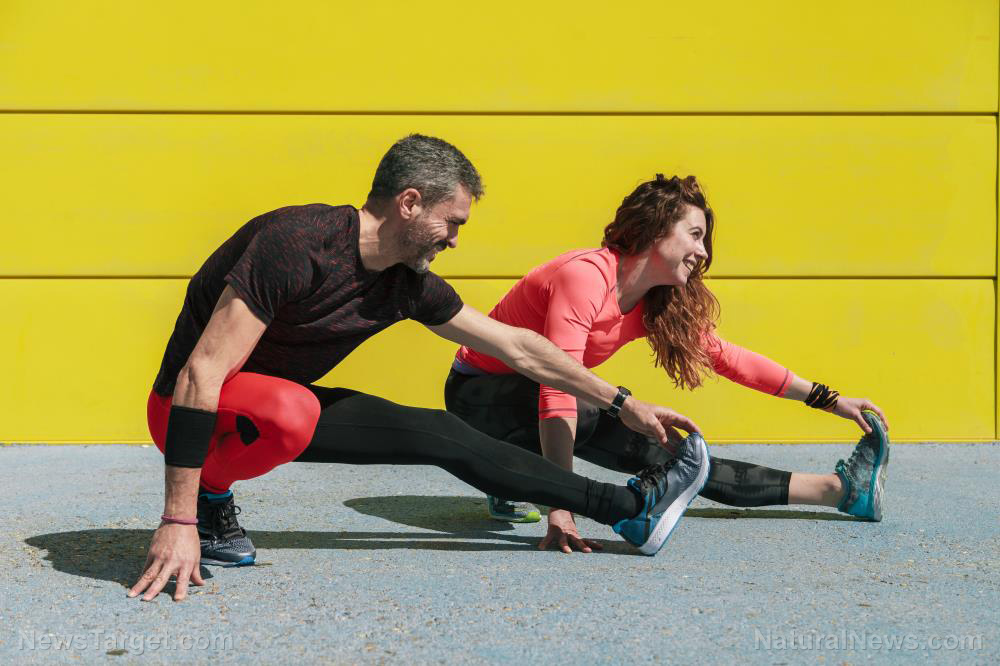
Physical well-being directly impacts mental resilience. Proper sleep, nutrition and exercise—whether through hiking, yoga or other activities—strengthen both body and mind, improving adaptability under stress.
Uplifting books and music
Mental nourishment comes from inspiring literature and music. Studies show that music alters brain activity, reducing stress and boosting mood, while reading offers both escape and intellectual growth.
An attitude of hope
Maintaining optimism—rooted in faith, gratitude and personal values—helps reframe challenges as temporary setbacks rather than insurmountable obstacles. Spiritual resilience often determines long-term perseverance.
Therapeutic hobbies
Engaging in enjoyable activities like gardening, crafting or outdoor sports, provides stress relief and a sense of accomplishment. Shared hobbies also strengthen social bonds.
Engaging in hobbies like painting or dancing also provides a creative outlet that reduces stress and boosts self-esteem. These activities also promote mindfulness and social connection, which enhance overall mental well-being, explains BrightU.AI‘s Enoch engine.
Clear personal priorities
Defining what truly matters—family, faith and self-improvement—helps filter out unnecessary stressors. Focusing energy on meaningful pursuits prevents emotional clutter.
Managing the heavy items
Trauma, grief and past regrets inevitably find their way into the backpack. The key is not to avoid them but to process and release them, either through seeking counseling, journaling or leaning on trusted support systems. Emotional self-reliance means refusing to let others dump their negativity into one’s own pack.
Life’s journey is unpredictable, but the weight you carry doesn’t have to be. By consciously managing your emotional backpack—removing unnecessary burdens while reinforcing resilience—individuals can move through challenges with greater ease and preparedness. Whether facing personal struggles or broader crises, emotional agility ensures not just survival but the ability to thrive.
The goal isn’t an empty backpack—that’s impossible—but a balanced one: light enough to keep moving forward, yet equipped with the tools needed for whatever lies ahead.
Watch this video on how to become more emotionally resilient.
This video is from the Daily Videos channel on Brighteon.com.
Sources include:
Submit a correction >>
Tagged Under:
emotional backpack, emotional resilience, mental health, Mind, natural health, preparedness, prepper, prepping, Psychology, survival, tips
This article may contain statements that reflect the opinion of the author
RECENT NEWS & ARTICLES