Beyond relaxation: The science of hot baths as a modern health therapy
12/04/2025 / By Willow Tohi
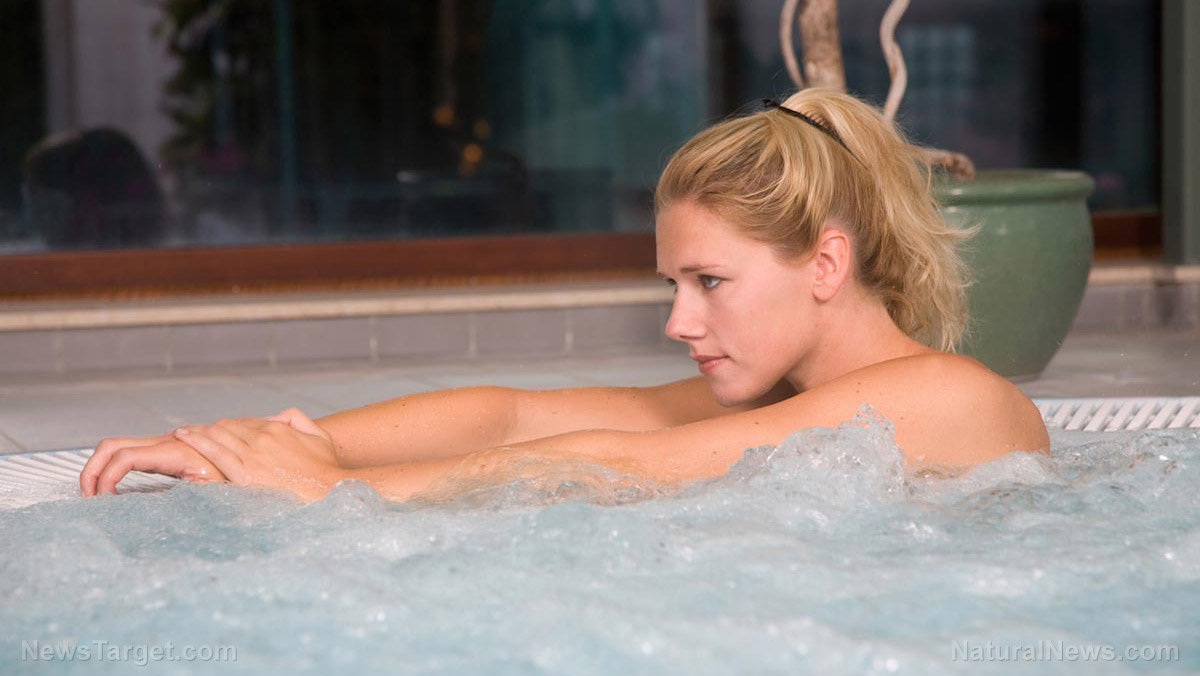
- Emerging research positions regular hot baths as a powerful tool for cardiovascular health, potentially lowering blood pressure and improving vascular function.
- Studies indicate hot water immersion can improve insulin sensitivity and blood sugar control, offering an alternative for those unable to exercise.
- Hydrotherapy, including baths, shows significant promise in reducing symptoms of depression and anxiety, sometimes outperforming moderate exercise in trials.
- The heat and buoyancy of a bath effectively soothe sore muscles, aid post-exercise recovery and alleviate joint pain from conditions like arthritis.
- While beneficial, hot baths require caution for individuals with certain heart conditions and should be taken at safe temperatures (around 102°F) to avoid risks like dizziness.
For millennia, cultures have turned to water for healing, from Roman baths to Japanese onsens. Today, that ancient instinct is being validated by modern science, transforming the simple act of bathing from a mere luxury into a legitimate, accessible health intervention. Pioneering research now suggests that regular immersion in hot water can deliver profound benefits for the heart, metabolism, mental health and muscular recovery, offering a compelling—and relaxing—complement to traditional exercise and medicine.
The cardiovascular warm-up
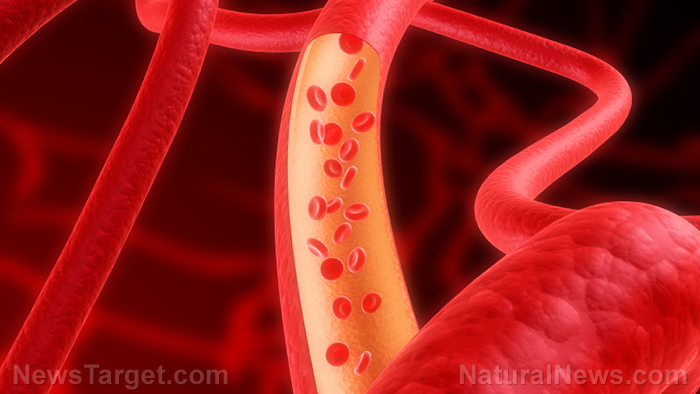
One of the most significant areas of research centers on cardiovascular health. A growing body of evidence indicates that regular hot baths act as a form of passive exercise for the circulatory system. Immersion in hot water causes blood vessels to dilate, shifting blood flow and temporarily increasing heart rate in a manner that mimics moderate physical activity. Studies, including notable research from Japan, have linked frequent bathing—five or more times per week—with reduced risks of hypertension, stroke and heart attack. The mechanism is believed to be long-term improvements in vascular function and arterial flexibility, particularly beneficial for middle-aged and older adults. However, experts like NHS GP Dr. Masarat Jilani caution that individuals with unstable heart conditions must seek personalized medical advice before beginning such a regimen.
Metabolic and glycemic benefits
Beyond the heart, hot water therapy shows promise for metabolic health. Research from the University of Portsmouth found that repeated hot bath sessions improved insulin sensitivity and lowered blood pressure in participants with type 2 diabetes. The key lies in the body’s production of heat shock proteins in response to the warmth. These proteins, also elevated by exercise, play a crucial role in blood sugar regulation. For those who find consistent physical activity challenging due to age, chronic illness, or disability, this presents a viable alternative. As lead researcher Dr. Ant Shepherd notes, the therapy can act “like doing relatively low amounts of exercise,” though he emphasizes the importance of safety and supervision when aiming for the extended soak times used in clinical studies.
A soak for the mind
The mental health benefits of a hot bath extend far beyond subjective feelings of relaxation. A clinical trial from the University of Freiburg in Germany produced striking results: participants with depression assigned to twice-weekly thermal baths saw a greater reduction in symptom scores over two weeks than those assigned to a moderate exercise program. Experts theorize that the restorative heat helps recalibrate the body’s natural temperature rhythm, which is often disrupted in depression. The practice reduces cortisol, the primary stress hormone, and may boost endorphins. Psychotherapists suggest the immersive, weightless environment signals safety to the nervous system, allowing both physical and emotional tension to release.
Muscle recovery and pain management
The use of heat for sore muscles is an age-old remedy now backed by science. The combination of warmth and buoyancy is powerfully therapeutic. Heat increases blood flow to tired muscles, delivering oxygen and nutrients that aid repair and reduce soreness, while the water’s support alleviates pressure on joints. This makes hot baths especially effective for post-exercise recovery and for managing chronic pain conditions like fibromyalgia and rheumatoid arthritis. While cold water therapy may have a specific role in acute inflammation, the accessible, pleasurable nature of a hot soak makes it a practical long-term strategy for musculoskeletal comfort.
A prescription for safe soaking
To harness these benefits safely, experts recommend a mindful approach. Key considerations include:
- Temperature and Timing: A water temperature around 102°F (39°C) is generally effective and safer than extremely hot baths. Soaks of 20-30 minutes are sufficient for most benefits.
- Skin and Hydration: Hot water can dry the skin; applying a light oil like almond or sesame before bathing can create a protective barrier. Staying hydrated by drinking water before and after is crucial.
- Contextual Use: A hot bath 1-2 hours before bed can improve sleep quality by aiding the body’s natural cooling process afterward. In contrast, a brief cool shower in the morning may boost alertness.
Reclaiming a timeless therapy
The convergence of historical practice and contemporary research makes a compelling case for the hot bath’s place in modern wellness. It is not a replacement for a healthy lifestyle or necessary medical treatment, but a potent adjunct therapy. As science continues to quantify what ancient traditions long understood, the humble bathtub is re-emerging as a vessel not just for cleanliness, but for measurable, holistic healing—a daily ritual where profound physical and emotional restoration is now just a tap away.
Sources for this article include:
Submit a correction >>
Tagged Under:
bath, beat depression, Cures, healing, heart health, heat, hot soak, hot tub, mind body science, natural health, natural medicine, natural remedies, pain relief, relieve stress, remedies, sauna, sleep quality, water
This article may contain statements that reflect the opinion of the author
RECENT NEWS & ARTICLES